Here’s where it gets practical, so grab a cookie for this part. Use mint extract for baking and cooking—think cookies, brownies, frosting, or even a splash in hot chocolate. It’s forgiving, blends easily, and won’t make your vanilla extract jealous. Your grandma’s mint chocolate chip cookies? She almost certainly used extract.
Now, peppermint oil is your go-to for candies, chocolates, and stuff you want to taste super fresh and intense. A couple of drops in homemade peppermint bark or a chocolate fondue? Chef’s kiss. But be warned: it’s also a stellar bug repellent and can make your head tingle if you sniff it straight. Don’t sniff it straight. I learned that the hard way, and my eyeballs still judge me.
The “Can I Swap Them?” Question
Okay, so you’re out of one and only have the other. Can you do a swap? Yes, but with caution. If a recipe calls for one teaspoon of extract, use just 3 to 4 drops of peppermint oil. Seriously, that’s it. Any more, and you’ll be serving “minty fire” instead of cookies. Remember: oil is the superhero, and superheroes work in small doses.
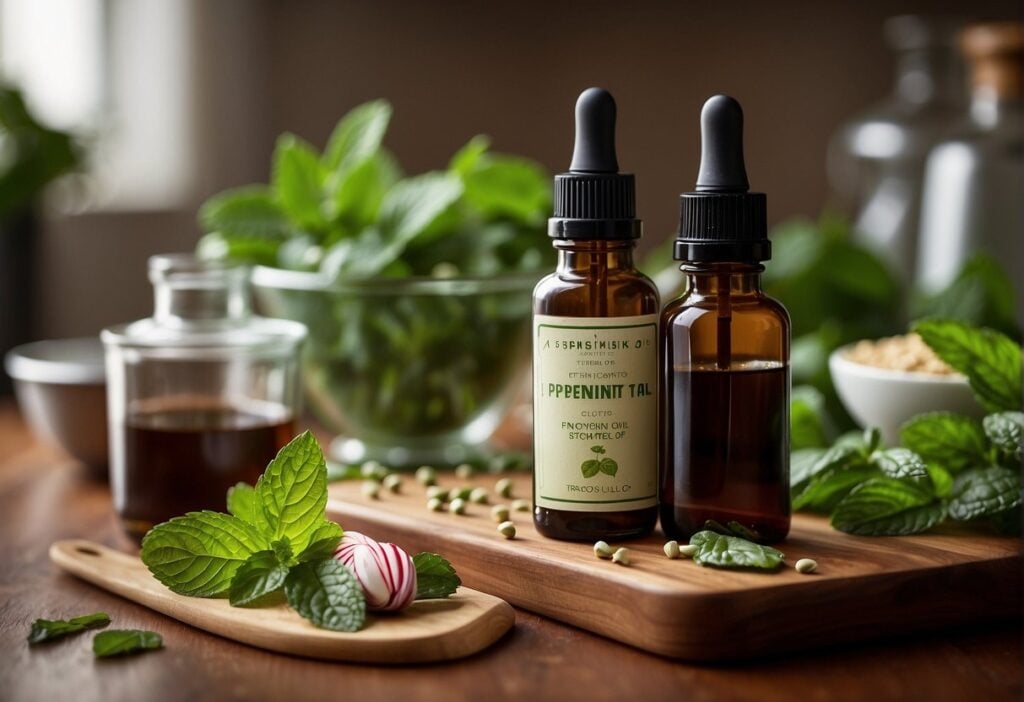 Peppermint Extract vs Peppermint Oil - The Kitchen Community
Going the other way? If a recipe wants oil and you only have extract, you’ll need to use about three to four times more extract to get the same kick. That extra liquid might mess with your recipe’s texture, so it’s better to just go buy the right stuff. Or, you know, embrace the chaos and call it “rustic mint flavor.”

