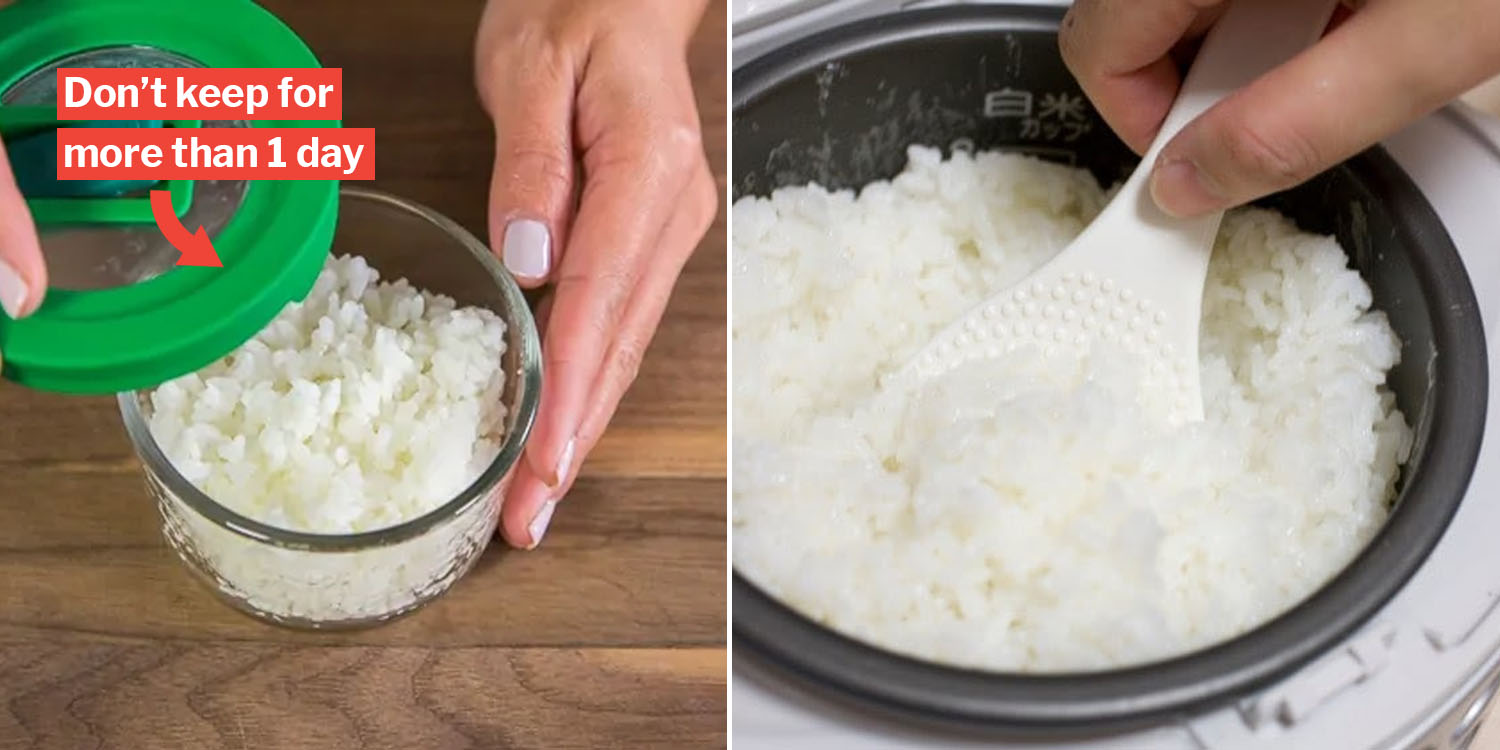
It’s all about time and temperature, the two BFFs of food safety. Cooked rice should never sit out at room temperature for more than two hours. Two. Hours. That’s a pretty tight window—shorter than a Marvel movie. If you forget to put it in the fridge, those spores just laugh at your schedule. They’re like that guest who won’t leave the party, except they’re cooking up neurotoxins in your Tupperware.
And here’s the ironic kicker: rice doesn’t even smell bad when it’s gone south. Bacillus cereus doesn’t play by the sniff test rules. You can take a whiff, think “yep, that’s fine,” and then six hours later you’re hugging the porcelain throne, wondering if your life choices led to this moment. Classic case of “it’s fine until it’s absolutely not.”
But I’ve eaten old rice before and survived!
Hey, me too. Most of us have. That’s because the toxin load has to be high enough to punch through your stomach acid. Bacillus cereus causes two types of poisoning: a vomiting type (from the toxin in the rice) and a diarrhea type (from toxins produced in your gut). It’s like buying a lottery ticket, except the prize is violent gastrointestinal distress. Not exactly the jackpot you were hoping for, right?
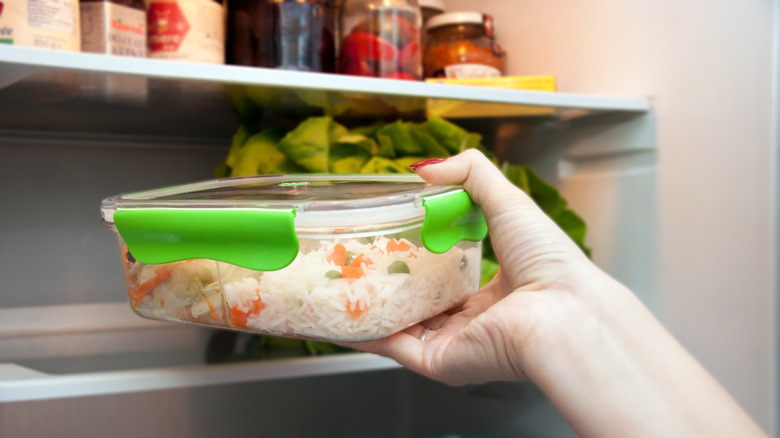 When Do You Have To Worry About Fried Rice Syndrome?
Still, the real danger isn’t the occasional spicy burrito situation. It’s that people dismiss it as a “stomach bug” and keep eating rice that’s been left out overnight. The CDC estimates that Bacillus cereus causes around 63,000 cases of food poisoning yearly in the U.S. alone. That’s a lot of people who thought their shrimp fried rice was a good idea. (Spoiler: it wasn’t.)

