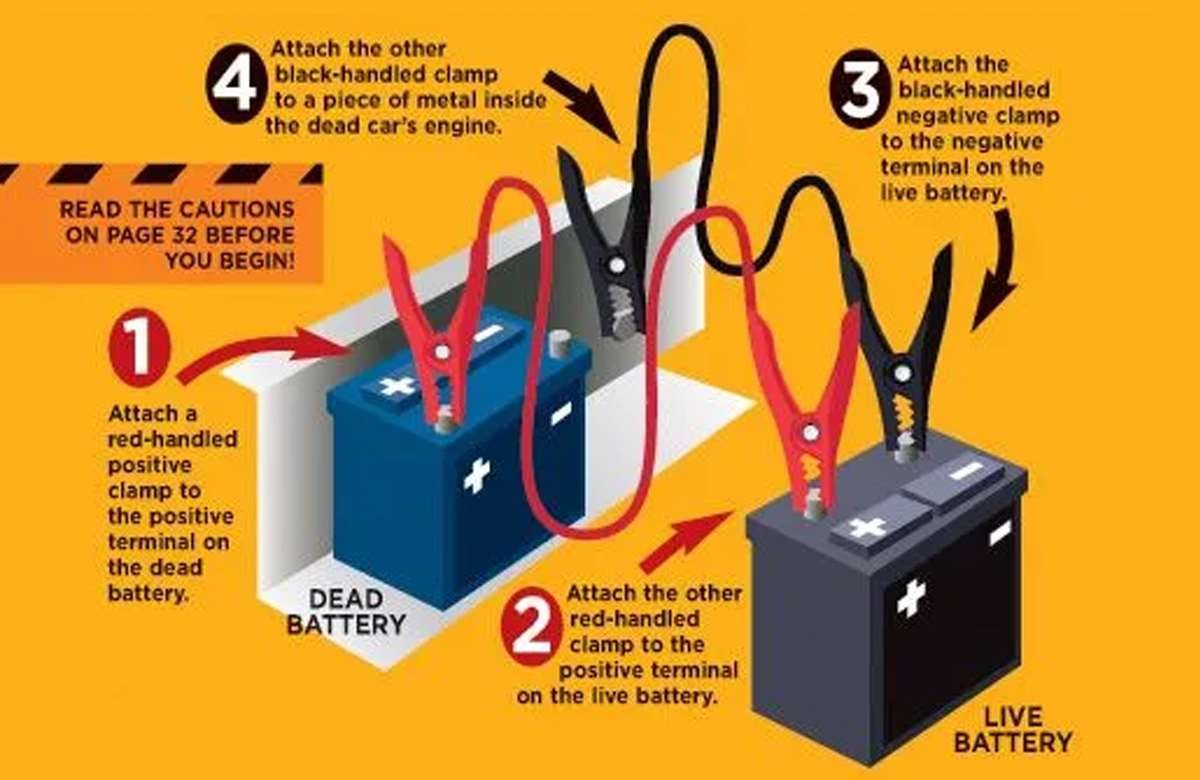
You need a smart jump pack specifically designed for lithium batteries. These little boxes are the size of a phone charger and cost about as much as a good dinner. If you’re using your buddy’s pickup truck with thick cables, you’re playing with fire—literally.
The trick is voltage. Lithium batteries hate overvoltage like I hate running into my ex at the grocery store. A standard alternator from a running car pushes around 14.4 volts, which is perfect for lead-acid. For lithium? That’s like pouring jet fuel into a lawnmower. You need a pack that talks to the battery, not one that screams at it.
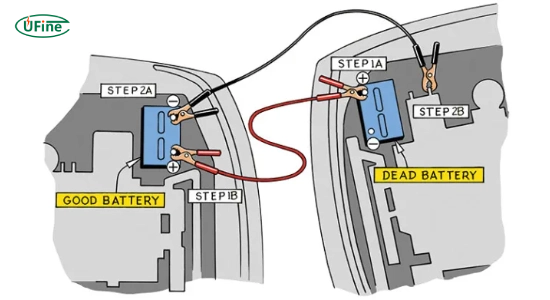 Step-by-Step Guide to Jump Starting a Dead Battery
The Right Way to Hook Up
Even with a smart pack, follow the order of operations. First, attach the red clamp to the positive terminal on the dead lithium battery. Then, clamp the black to a clean, unpainted metal part of the engine block—not the negative terminal itself.
Why? Because lithium batteries hate sudden surges. Connecting to the block acts like a buffer, a sort of diplomatic translator between your jump pack and the battery’s moody computer. It’s like offering a handshake instead of a headlock. Wait sixty seconds, then try to start. If it doesn’t catch, wait another minute.

