
Self-rising flour is a one-trick pony. It’s all-purpose flour with a precise amount of baking powder and salt already in it. Chefs love it for quick breads, scones, and Southern biscuits that need to puff up fast. It’s reliable. It’s simple. It’s the boring friend who always shows up on time.
Bisquick is a multi-tool. It’s got flour, leavening, shortening, sugar, and often buttermilk solids. It’s designed to be a shortcut for everything: pancakes, waffles, dumplings, impossible pies, even pizza crust. It’s the friend who shows up with a fully loaded picnic basket. What a legend.
Here’s the kicker: your recipe’s success depends on that fat. Biscuits made with Bisquick are tender because the shortening is already worked in. Biscuits made with self-rising flour need you to cut in cold butter yourself. It’s not hard, but it’s a different process. Are you feeling lucky?
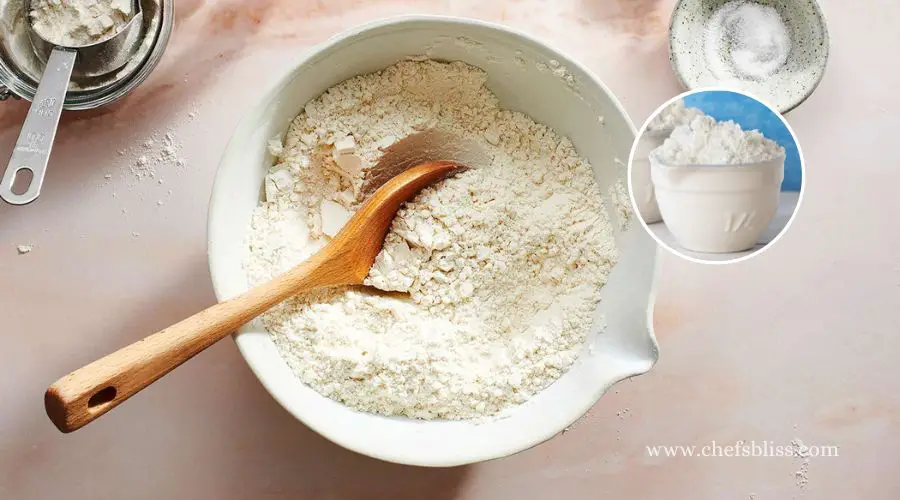 Bisquick Vs Self Rising Flour: Which Should You Stock in Your Pantry
The Flavor Factor (Don’t Skip This)
Self-rising flour is neutral. It tastes like flour and a hint of salt. Bisquick has a distinct, slightly sweet, slightly buttery flavor. Why? That sugar and shortening again. If you swap them, your dinner rolls will taste like dessert. Or your dessert will taste like a salt lick. Yikes.
Think about it: Bisquick pancakes are famous for that fluffy, almost tender-crumb texture. That’s the fat at work. Try making pancakes with self-rising flour, milk, and an egg. You’ll get something that looks like a tortilla. It’s a mood, but not the one you want.

