
Okay, ready for a life-changing tip? Cook your rice and let it cool overnight. Seriously. When rice cools, it forms resistant starch, a type of fiber that feeds your good gut bacteria. Reheat it the next day—the resistant starch stays. You just turned plain white rice into a fiber-friendly food without changing a thing. Magic? Pretty much.
Another trick: mix your grains. Cook half brown rice, half white rice. Your taste buds get the fluffy texture, your gut gets the fiber. It’s like a compromise that everyone wins. Your stomach doesn’t know it’s being tricked, and you get to feel smug about it.
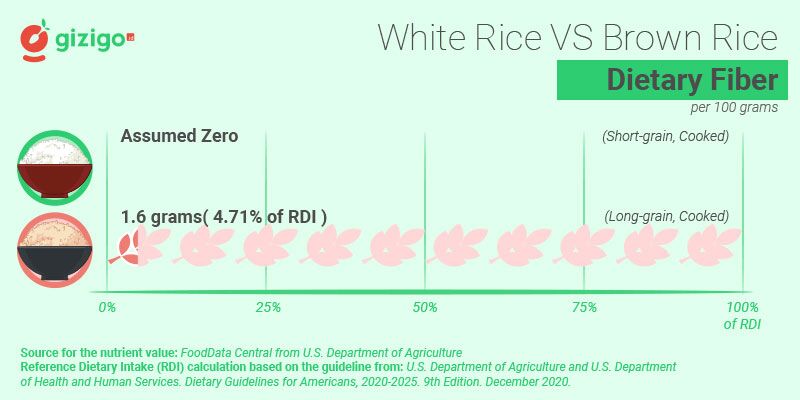 White vs Brown Rice Nutrition Chart (Infographic)
What About Those Fancy Packaged Rices?
You know the ones—microwave cups that say “fiber-rich” or “whole grain.” Check the label, my friend. Some have added fiber from things like inulin or oat hulls. That’s fine, but it’s not the same as naturally occurring fiber. Also, some of those cups have more sodium than a salt lick. So read the fine print. Or just cook your own—it’s cheaper and you’re in control.
Let’s circle back to the original question. Is rice a good source of fiber? It depends entirely on which rice you pick. Brown, black, wild, or red rice? Yes, they’re decent. White rice? Nope. But here’s the good news: you don’t have to choose one forever. You can have a relationship with both. Just don’t expect white rice to do the heavy lifting for your digestion.
And hey, if you’re really serious about fiber, rice is just one player. Lentils, beans, oats, berries, and avocados are the real MVPs. But if you love rice—and I do, deeply, with a little butter—then go for the darker grains. Your body will high-five you. Or at least, your bathroom routine will get a lot more regular. And isn’t that the dream?
So go ahead, scoop up that brown rice. Or try the cooling trick on white rice. Or just order takeout and pretend you didn’t read this. I won’t tell. But your gut might. Cheers, friend.

