
For high-heat baking like cookies and cakes, many chefs argue the difference is minimal. The alcohol in extract burns off, and the volatile aromatic compounds can degrade. In these cases, a good-quality imitation vanilla is a perfectly acceptable stand-in, and your budget will thank you.
However, for no-bake recipes, custards, crème brûlée, or any dish where vanilla is the star, always reach for the real extract or a whole bean. This is where its complex character shines. For a pro-level hack, try using vanilla bean paste—it’s a thick, syrupy blend of extract and ground vanilla seeds, giving you the best of both worlds without the need to scrape a pod.
Fun Fact: The Costly Little Pod
Did you know that vanilla is the second most expensive spice in the world, right after saffron? This is because the vanilla orchid is a finicky plant. Each flower must be hand-pollinated on the very day it blooms, and the curing process of the green beans takes months. That’s why a single pod can cost five dollars or more.
In popular culture, vanilla’s reputation as "plain" is a huge misnomer. Historically, it was a luxury enjoyed by Aztec royalty and Queen Elizabeth I. In fact, Thomas Jefferson is credited with introducing vanilla to America after discovering it in France. So next time you smell that sweet, floral aroma, remember you’re connecting with a history of subterfuge, royal courts, and painstaking horticulture.
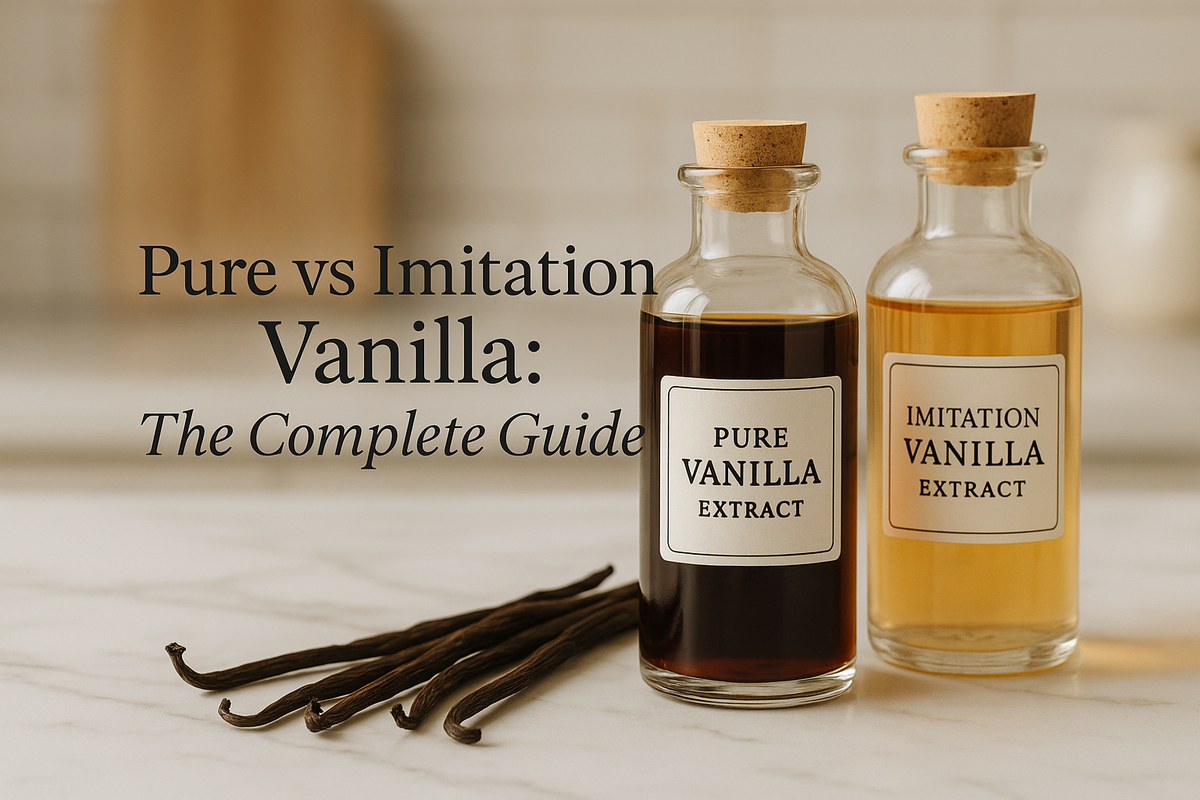 Pure vs Imitation Vanilla Extract Guide - VanillaPura

