First, port is basically wine’s party-hard cousin—it’s fortified with brandy, so it packs a punch at around 20% alcohol. That’s like regular wine after a few too many espressos. It’s also famously sweet, because the fermentation is stopped early, leaving loads of grape sugar behind.
So, is it “healthy”? Well, that depends on whether you define “healthy” as “nourishing your soul” or “fitting into your jeans.” Spoiler: it’s a little of both, but mostly the former.
The Good Stuff: Why Port Isn’t a Villain
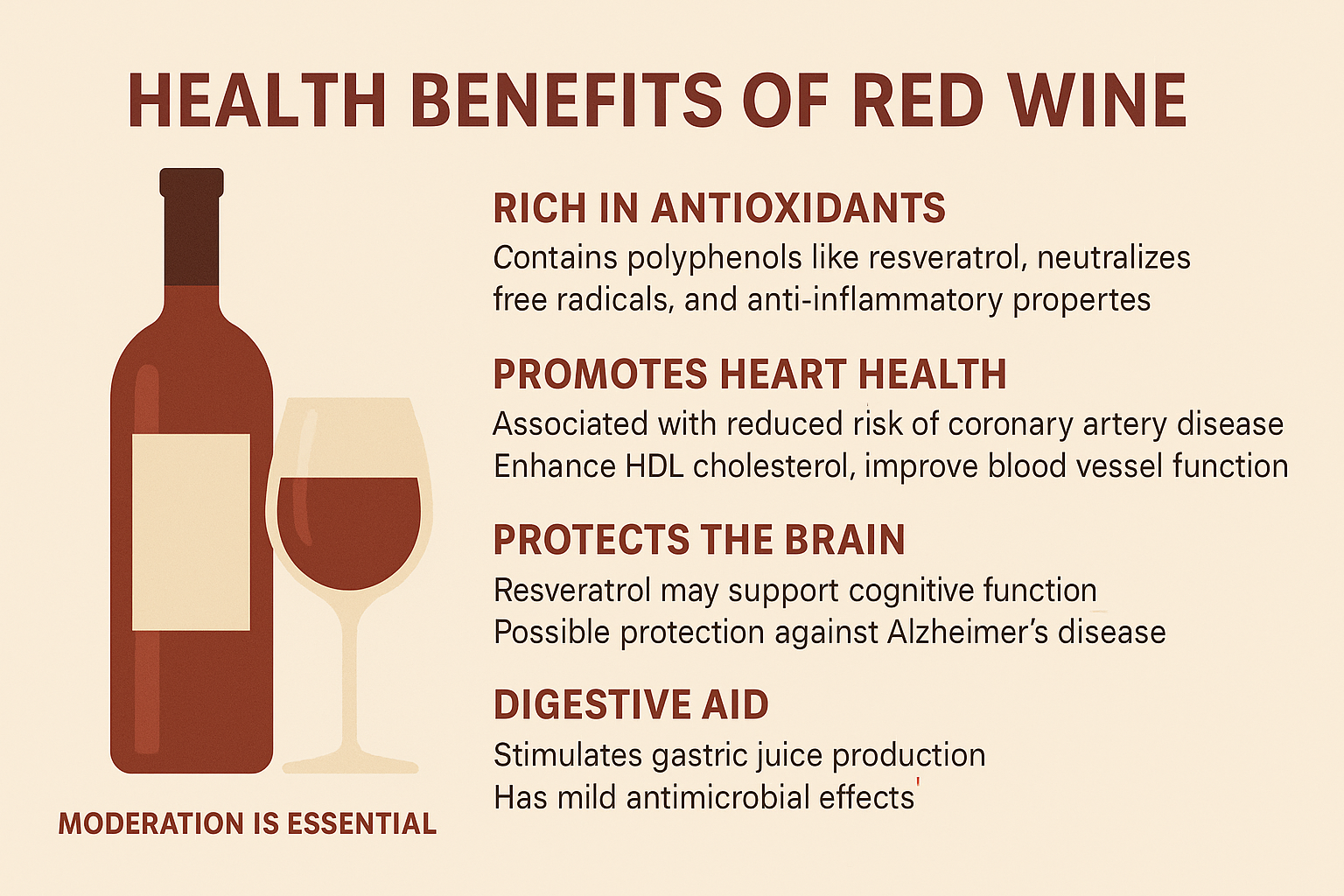
Polyphenols are the superheroes here—those little antioxidants that fight inflammation and keep your cells from throwing tantrums. Red wine gets all the glory, but port, being made from red grapes, is swimming in these compounds too. One study even suggested that moderate port consumption might help reduce oxidative stress. That’s fancy science talk for “your body says thank you.”
Plus, port contains resveratrol, that famous molecule found in grape skins that scientists love to hype up for heart health. It’s the same stuff that makes you feel virtuous when you order a Cabernet. Just remember: you’d need to drink a bathtub of port to get the same resveratrol dose as a supplement—so, you know, don’t try that.
And let’s not forget the magnesium and potassium in port—tiny amounts that help your muscles relax. Perfect after a stressful day of… breathing.
The Not-So-Good Stuff: Where Port Gets Real
Here’s the sticky part: port is sugary sweet. A standard 3-ounce glass (that’s a real serving, not a chalice) has about 12-15 grams of sugar. That’s like eating a few cookies, but in liquid form. Your dentist might side-eye you.
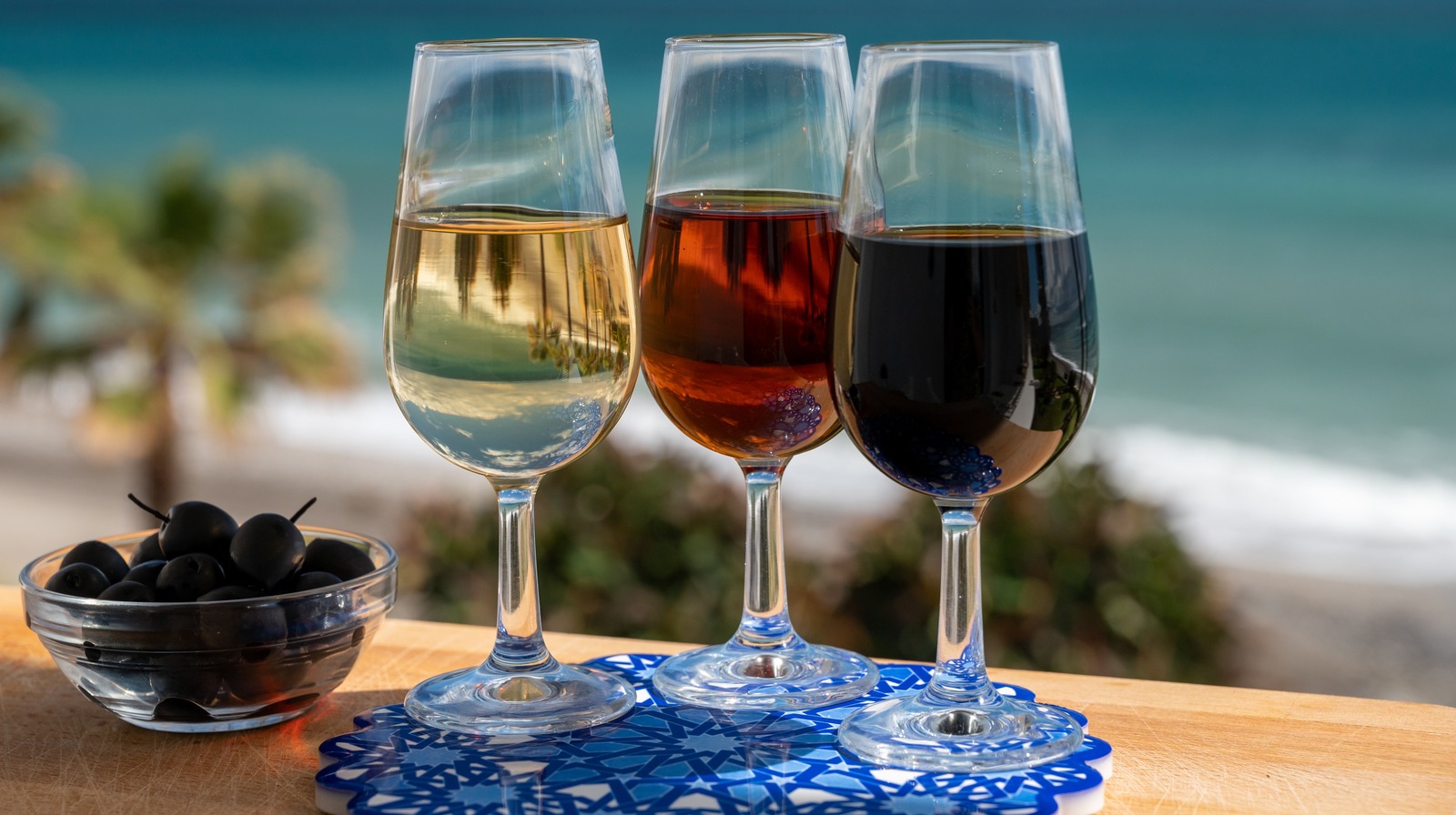 Sherry And Port Wine Difference
Also, it’s high in calories—around 125-170 per glass. That’s basically a small snack. If you’re on a health kick, drinking three glasses is like swallowing a cheeseburger. Delicious, but maybe not the best training fuel.
And obviously, alcohol is alcohol. Your liver doesn’t care if it’s from a fancy bottle or a box—it still has to work overtime. Moderation is the magic word here, not “bottomless brunch.”
The Heart Health Hype: Does It Help or Hinder?
Some research hints that moderate port consumption (that’s one glass for ladies, two for gents—yes, it’s sexist, but I don’t make the rules) might support good cholesterol and reduce artery plaque. That’s the “cheers to your ticker” argument. But other studies remind us that any alcohol raises the risk of certain cancers, even in small amounts.
So, is port a health food? No more than dark chocolate is a vegetable. It’s a pleasure food—a treat that’s fine in small doses. Think of it as a velvet hug in a glass, not a multivitamin.
Port & Your Waistline: A Sobering Detour
Let’s do some real talk: if you’re sipping port every night, that sugar and alcohol will eventually cozy up to your midsection. Port is a dessert wine for a reason—it’s meant to be a finale, not a daily habit. Pair it with a small piece of cheese (not a wheel) and you’ve got a moment of joy without a full-blown sugar avalanche.
 Port Wine Health Benefits: Heart, Brain, and Bone Health | N. Roberts Ryder
But here’s a pro tip: choose a tawny port over a ruby one. Tawnies are aged longer and often have less sugar and a more nutty, complex flavor. You’ll feel fancy and save a few calories. Win-win!
The Verdict: Is Port Actually Healthy?
Okay, drumroll, please. Is port healthy? Yes, if by “healthy” you mean “delicious, stress-reducing, and full of antioxidants in a moderate, mindful way.” No, if you’re expecting it to cure your cold, pay your bills, or cancel out that entire pizza you just ate. It’s a treat, not a tonic.
So go ahead—pour yourself a small glass. Swirl it. Sniff it. Let the rich aromas of dark fruit and chocolate wrap around you. Sip it slowly, like you’re in a cozy library in Portugal, not in your pajamas scrolling your phone. Life is short, and port is long.