
Grease and oil are chemically acidic or neutral, meaning they’re stubborn and don’t like to mix with water. A base, however, reacts with those fatty acids to create soap and glycerin—a process called saponification. It’s the same chemistry that made your grandmother’s lye soap so effective.
This alkaline punch breaks down the molecular bonds in food residue, making it easy to rinse away. Without that high pH, you’d be left with a greasy film that makes your wine glasses look foggy and your plates feel slippery.
It’s also why your hands can feel dry after washing up. A base strips away natural oils, which is great for your dishes but tougher on your skin. That’s why hand creams exist.
Practical Tip: The Wine Glass Test
Want to know if your dish soap is truly basic? Look at the bubbles. If the suds feel thick and dense, that’s a sign of a strong base. If they’re thin and disappear fast, your soap might be diluted or too neutral.
Better yet, check the pH on the bottle—though most brands don’t list it. A quick internet lookup for your favorite brand will reveal the number. For reference, tap water is a neutral 7, baking soda is around 8, and bleach is a harsh 12.
If you’re worried about damage, opt for pH-neutral soaps for delicate items like wooden cutting boards or cast iron. But for daily greasy pots? Bring on the base.
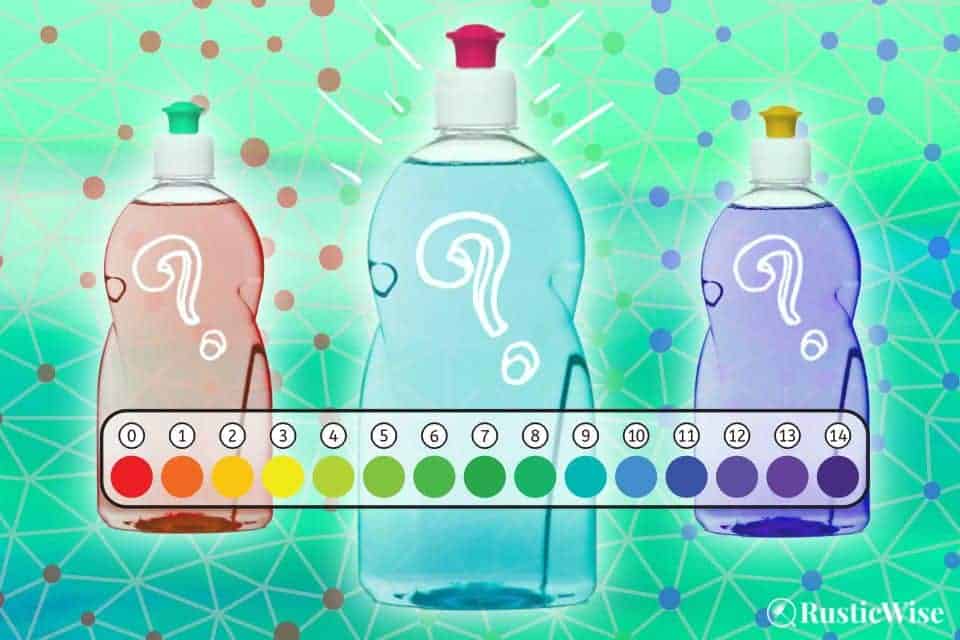 The pH of Dish Soap: How It Affects Cleaning Power and Your Skin

