
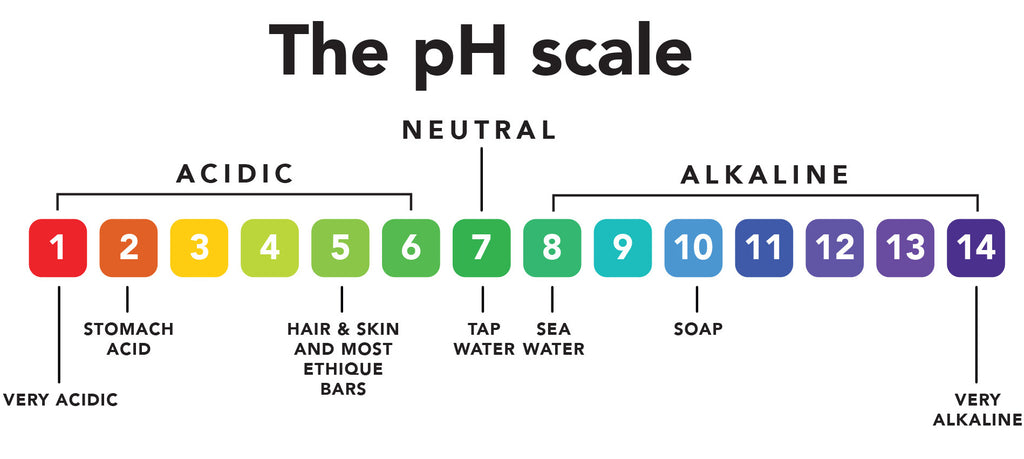
Hold onto your sponge. Your stomach acid has a pH of about 1.5 to 3.5—which is more acidic than most dish soaps are basic. In fact, your stomach acid is so powerful it can dissolve razor blades (yes, really—don’t try this at home). So while dish soap is “high pH” tough on grease, it’s nothing compared to the acid pit inside you. If your stomach and dish soap had a dance-off, your stomach would win by a pH margin of seven points.
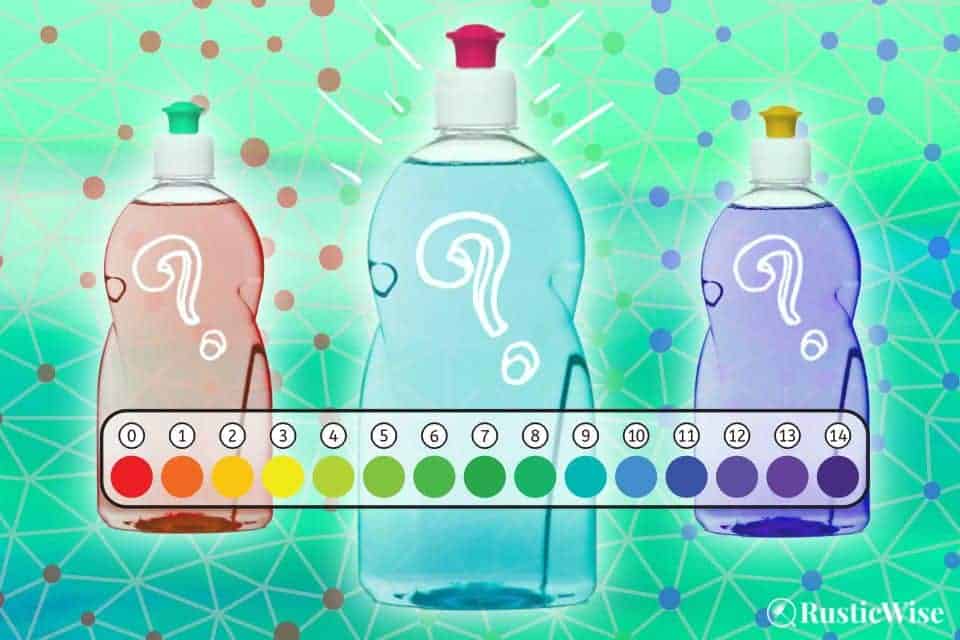 The pH of Dish Soap: How It Affects Cleaning Power and Your Skin
Another wild fact: pH-neutral soaps often use coconut or sugar-based surfactants instead of harsh synthetics. They’re so gentle you could theoretically use them as shampoo. But please don’t. I tried it, and my hair smelled like a birthday cake that got into a fight with a mop. You’ve been warned.
The “Natural” Soap Loophole
Here’s where it gets hilariously confusing. Some natural or “organic” dish soaps are actually LESS neutral than industrial ones. Castile soap (like Dr. Bronner’s) is a famous example. It’s made from plant oils and lye, and its pH is through the roof—around 9.5 to 10.5. That’s so basic it might call you “dude” unironically. Yet people rave about it because it’s “natural.” Meanwhile, your hands are screaming in organic agony.
If you truly want pH-neutral dish soap, look for one labeled “pH-balanced” or “gentle.” It will usually have a pH around 6 or 7. But fair warning: it won’t blast through burnt cheese like the tough stuff. You’ll be scrubbing like a Victorian maid while your friend with the industrial soap finishes in two minutes.
 What is soap?

