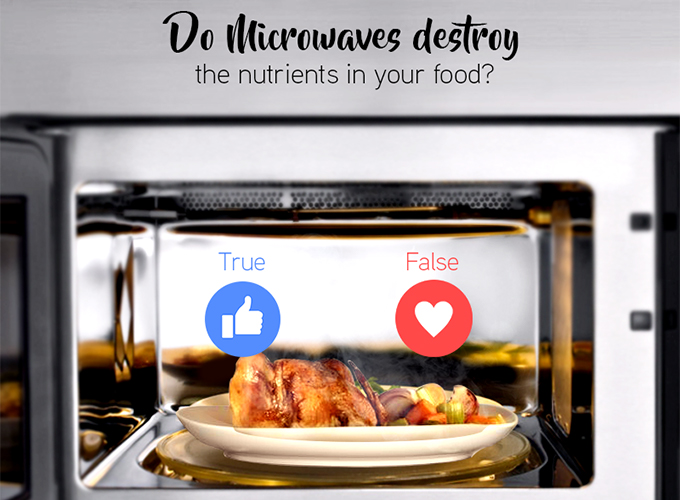
Think about boiling broccoli. You dump it in a pot of water, and those precious water-soluble vitamins—like vitamin C and B vitamins—leap out and swim away. Bye-bye, immunity boost! The soup may be yummy, but your broccoli just got a little less powerful.
Microwaving, on the other hand, uses barely any water. You just splash a little on your veggies, cover them, and zap. That steam stays trapped, cooking the food quickly while keeping those fragile vitamins locked inside. It’s like giving your food a cozy hug instead of a watery goodbye.
One study even found that microwaving broccoli preserved up to 90% of its vitamin C, while boiling left only about 66% behind. So if you want to be a nutrient-saving superhero, the microwave is your cape.
But wait—what about the “radiation” word?
I know, “microwave radiation” sounds scary, right? Like you’re zapping your salad with X-rays. Relax. Microwaves are non-ionizing radiation, which is a fancy way of saying they can’t mess with your DNA. They’re the same kind of energy as radio waves, just tuned to make water jiggle.
Your microwave isn’t a nuclear reactor; it’s more like a friendly, focused radio station that only plays “heat up the lasagna” on repeat. So no, you’re not turning your spinach into radioactive sludge. Promise.
In fact, every cooking method changes food on a chemical level. That’s what cooking is. The microwave just does it faster and with less collateral damage. You’re not losing nutrients; you’re just giving them a quick, efficient makeover.

