
If You Boil Tap Water Is It Safe To Drink
You know that moment. You’re standing at the kitchen sink, glass in hand, staring at the tap like it’s a jilted ex. The water runs clear, but your brain flashes a montage of l...
You know that moment. You’re standing at the kitchen sink, glass in hand, staring at the tap like it’s a jilted ex. The water runs clear, but your brain flashes a montage of lead pipes, microplastics, and that one time the city issued a “boil water advisory” after a main break. So you think: If I just boil the skillet out of this stuff, it’s safe, right? Let’s settle this once and for all, without the stuffy science jargon—just the real talk you’d have with a neighbor over a fence.
First, let’s be honest: boiling tap water is the unsung hero of kitchen panic. It’s like giving your water a spa day—a hot, rolling bath for at least one minute (or three if you’re at a high altitude, where water gets lazy). That rolling boil zaps bacteria, viruses, and parasites like a ninja in a fever dream. Think of it as a microbial eject button: Goodbye, E. coli; hello, peace of mind.
But here’s the kicker—and the part that makes you sigh like a tired parent: boiling does not remove everything. It won’t filter out lead, arsenic, nitrates, or that faint chlorine taste that reminds you of a public pool. If your water has heavy metals or industrial runoff, you’re just concentrating the bad stuff as steam escapes. It’s like boiling soup to kill germs but leaving the soggy vegetables—you still don’t want to eat the soggy vegetables.
I learned this the hard way two years ago. My apartment building had a scare, so I boiled water for three days straight. My tea tasted fine, but my new kettle crusted up like a limestone cave. Turns out, hard water minerals don’t evaporate. They just sneer at you from inside your appliance. That’s when I realized: boiling is a safety net, not a superhero cape.
So how do you know if your tap water is actually sketchy? Check your local water quality report—every city publishes one, and it’s usually a boring PDF with charts that look like a pixelated nightmare. If it says “lead detected above recommended levels,” no amount of boiling will save you. You need a filter certified for lead, or you’re basically playing Russian roulette with your kidney.
Now, let’s talk about that “chlorine taste.” You’ve noticed it: that sharp, pool-adjacent flavor that makes you wonder if you’re drinking from a garden hose. Boiling actually helps here. Let the water sit for 30 minutes after boiling, and the chlorine will evaporate like a guilty secret. It’s the same trick pool owners use to “de-chlorinate” water for fish tanks. You’re a fish now, but classier.
But what about the plastic? You remember the fuss about microplastics in tap water? Boiling won’t touch them. Those tiny flecks are too small to boil away. You’d need a reverse osmosis filter or a jug filter with a “microplastic removal” sticker. Or you can just accept that you eat a credit card’s worth of plastic per week. (I choose to believe that’s a myth told by gas companies to sell bottled water, so I’m fine.)
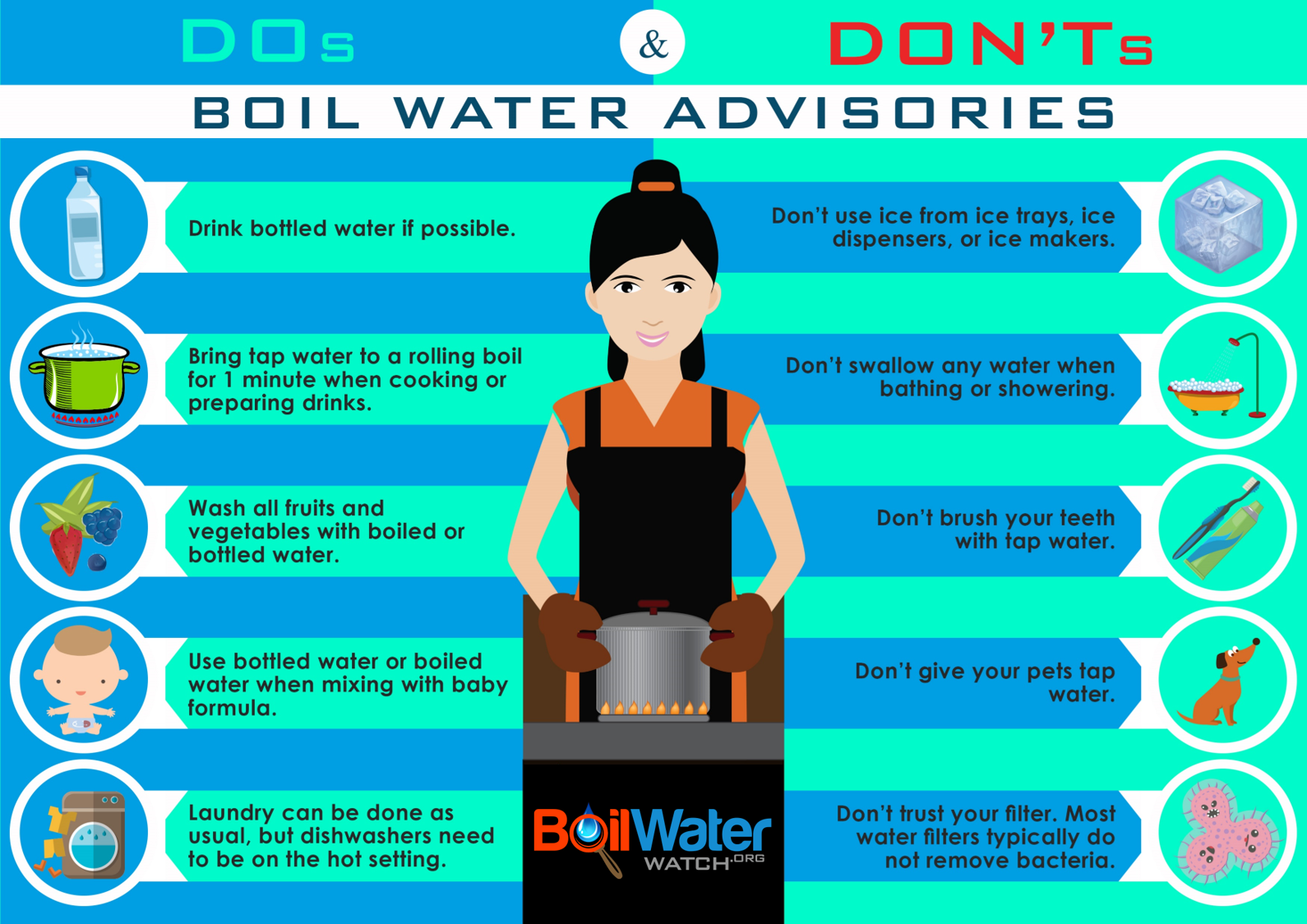 Why Boil Water Is Safe _ Does Boiling Water Really Make It Safe to
Here’s the real-life cheat code: if your tap water comes from a municipal system in most developed countries, and you have no lead pipes or well water issues, boiling is overkill. You’re better off running it through a $20 Brita pitcher to remove taste and general crud. Boiling is for emergencies—like after a flood, a hurricane, or when your neighbor’s septic tank burps. It’s not a daily ritual.
But let me guess: you’ve got a friend—everyone does—who boils water for everything, even to water their plants. Uncle Bob who thinks tap water is a government conspiracy and microwaves his phone “to remove the tracking.” Bless him. He’ll boil a glass of tap for his cat, then drink bottled water that’s been sitting in a hot car. The irony is thicker than his boiled brew.
So, the verdict? Boil tap water to kill living nasties (bacteria, viruses, parasites). It won’t fix chemical contaminants, heavy metals, or microplastics. If your tap water is from a modern, regulated system, you’re probably fine drinking it cold from the sink. If your water has a weird taste or color—rust-brown, milky-white, or tastes like a salty sock—skip the boil and get a lab test. You’ll save your kettle and your sanity.
Remember: boiling is a band-aid, not a cure. For daily life, a simple filter does the job without turning your kitchen into a steam room. And please, for the love of caffeine, don’t boil water for 20 minutes just to be “safe.” You’ll deplete the oxygen and create flat, sad-tasting coffee. Nobody deserves that. Stay hydrated, stay skeptical, and let your tap run for 30 seconds before drinking—it flushes out the gunk that settled in the pipes overnight. That’s the real pro tip. Now go, be easy, and maybe skip the boiling unless the news tells you otherwise.

