
Let’s be blunt: losing a twin in the womb is emotionally brutal. Even if you never met that baby, you had two names, two hopes, two tiny kicks. Grief is real. And it’s okay to feel that loss deeply while also feeling joy for the survivor.
But here’s the wild part—the surviving twin can sometimes sense it too. Researchers have found that the survivor might show subtle differences in brain activity or even have a higher chance of anxiety later in life. It’s like they “know” something is missing. Spooky, huh?
Do not—I repeat, do not—overthink this. Most survivors grow up perfectly healthy. They just have a unique story: they were a twin, and then they weren’t. That’s a lot to carry, but their brains are resilient.
The Weirdest Part: The “Twinless Twin” Identity
When they grow up, some survivors feel a strange bond with their “lost” twin. They might talk to them, imagine them, or feel a sense of incompleteness. Psychologists call it “twinless twin syndrome.” It’s not a medical diagnosis, just a very human experience.
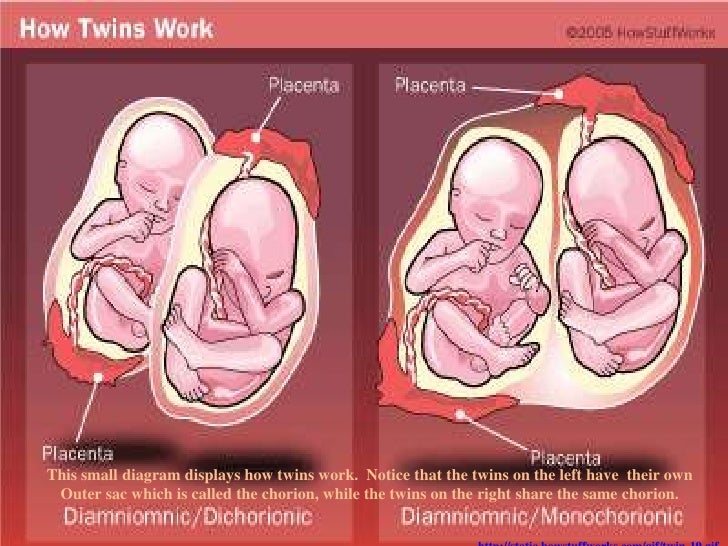 bio wiki: Twin Absorption
Imagine having a ghost sibling who is perfectly your age. You share a birthday, a placenta, and a name that was almost written on a birth certificate. That’s a lot of emotional luggage for one person.
But hey, it also makes for a killer icebreaker at parties. “Oh, you have a brother? Please, I had a twin who is now a paper-thin pancake inside my mother’s uterus.” Too much? Yeah, probably too much.

