
Now, if you want water that’s practically naked, you need reverse osmosis. That sounds like a sci-fi term, but it’s just using pressure to force water through a membrane so tight that only water molecules can pass.
 A Visual Guide to Understanding Water Filter Systems
Imagine squeezing a balloon through a screen door. That’s what reverse osmosis does. It removes everything: lead, pesticides, fluoride, and even tiny parasites. The result is water that’s almost pure H₂O.
It’s the kind of water scientists use in labs. But it also wastes a little water in the process, which is why it’s not for everyone. Trade-offs, man.
UV Filters: The Germ Zapper
Ever seen a tanning bed for water? That’s basically a UV filter. Instead of catching dirt, it zaps bacteria and viruses with ultraviolet light.
The light scrambles the DNA of tiny bugs, making them harmless. They’re still in the water, but they’re dead, like zombies without a brain. Sounds creepy, but it’s very effective.
You’ll often find UV filters in places where water might be a little wild, like well water or camping gear. It’s the final boss against things you can’t see.
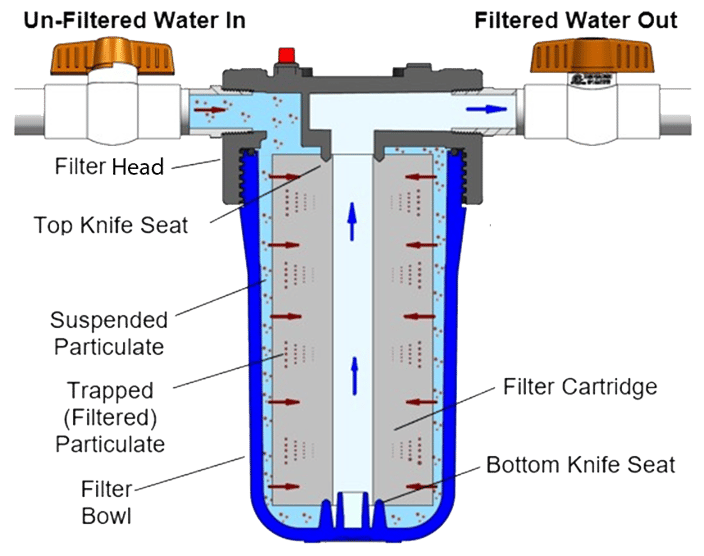 How Does Water Filtration Work?

