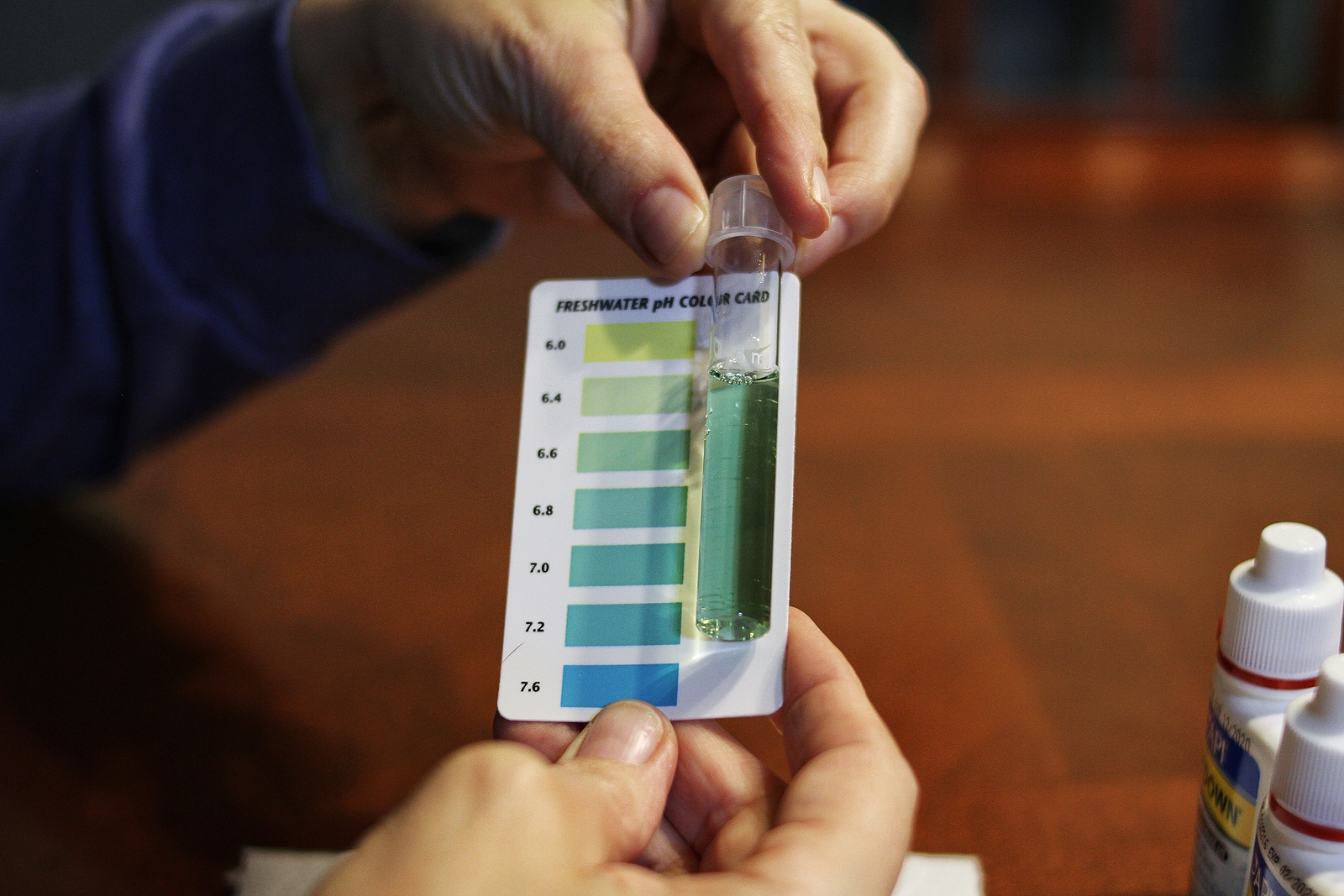
Did you know that aquariums rely on pH testing more than your local barista relies on espresso? A shift of just 0.2 can stress out your goldfish, turning your tank from a paradise into a drama zone. Meanwhile, professional coffee brewers obsess over water pH because acidic water can ruin the perfect extraction—so if your morning brew tastes flat, blame the H2O, not the beans.
Historically, pH testing was a big deal for visual artists like Leonardo da Vinci, who used litmus paper (the ancestor of your test strips) to check the acidity of pigments. You’re essentially following in the footsteps of Renaissance geniuses, one drop at a time. Also, rainwater is naturally slightly acidic (around 5.6) because it mixes with carbon dioxide in the air—so if you’re collecting it for your plants, test it first to avoid shocking your ferns.
What Your Results Actually Mean
If your water tests between 6.5 and 8.5, you’re in the safe zone set by the EPA. Anything below 6.5 might taste metallic and could leach copper or lead from old pipes—an issue for vintage homes with charming but aging plumbing. Above 8.5 often makes water taste bitter or slippery, like it’s trying to be mineral water but forgot the class.
Don’t panic if your reading is a little off. You can tweak it with a simple filter pitcher (activated carbon can neutralize some imbalances) or by adding a pinch of baking soda if you’re aiming for slightly more alkaline. Just avoid falling into the “alkaline water cures everything” hype—your body’s pH is tightly regulated by your kidneys, not your water bottle.