Please stop saying this. I know your well water tastes like melted glaciers, but taste buds are liars. You cannot see, smell, or taste most of the nasty stuff that could be hiding in that glass—like arsenic, coliform bacteria, or nitrates from that one neighbor who over-fertilized his pumpkin patch in 2019. The only way to know is to get a water test, which is a cheap little envelope of plastic bottles you mail to a lab. Do it once a year, or every time you notice a funny color, smell, or something floating that looks like a microscopic mermaid’s tear.
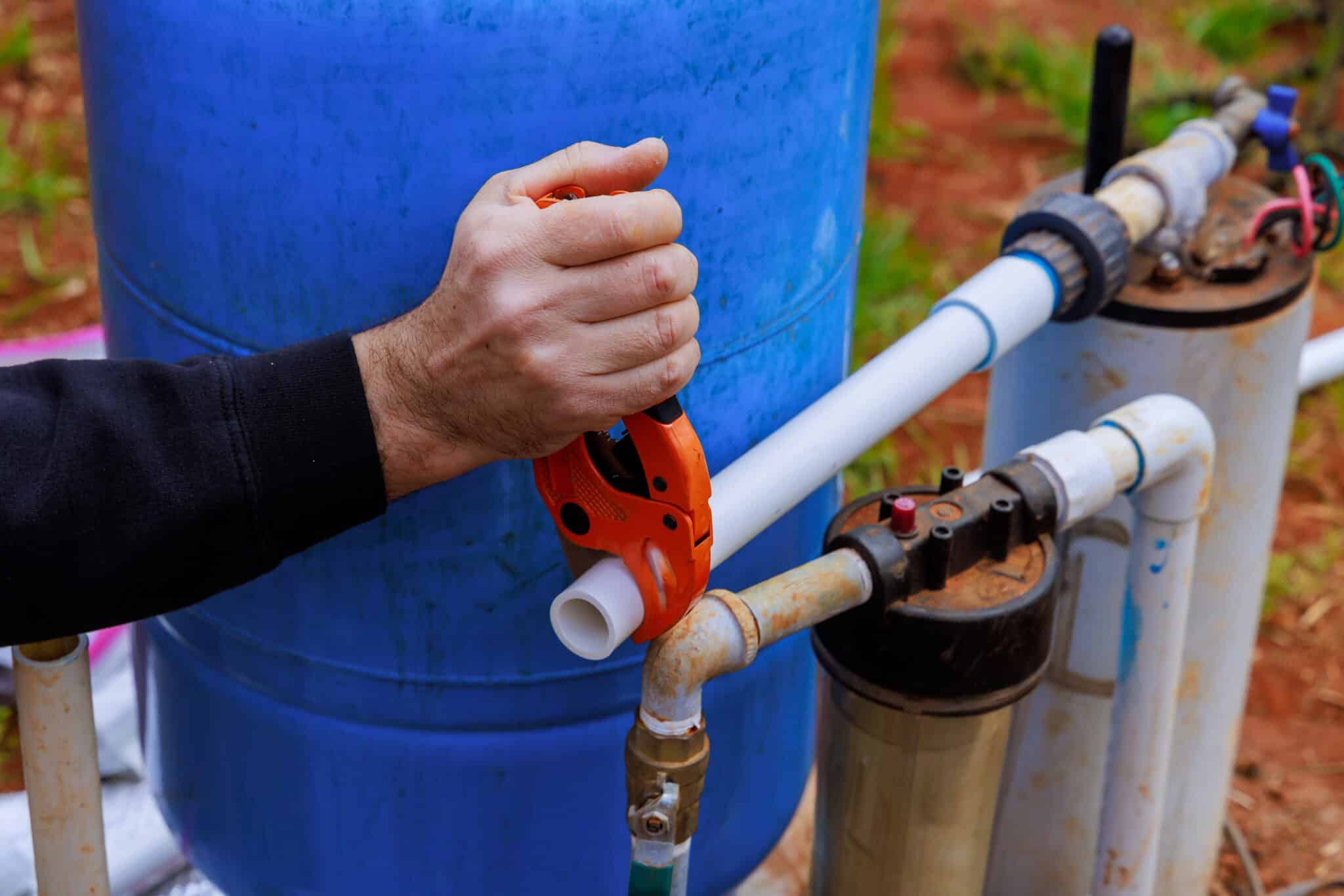 Water Well Maintenance in Oklahoma City | JB Water Well
Surprise fact for your next barbecue: a shocking number of wells contain high levels of radon, a radioactive gas that seeps out of rocks. Yes, you might be drinking lightly peppered with naturally occurring radiation. Is it dangerous? Depends on the level. Will it turn you into the Hulk? Sadly, no. But testing is the only way to find out if you’re hosting a silent radon rave in your water pipes.
Don’t Be That Person Who Shocks the Well for No Reason
Every few years, when paranoia strikes, someone decides to “shock” their well with a heavy dose of chlorine. This is a big deal, like giving your well a violent chemical bath. If bacteria is present, fair enough—it works. But if you shock your well every spring just for fun, you’re basically nuking the helpful microbes and turning your water into a swimming pool accident. Only shock when a test shows bacteria, or if you’ve had a flood, a repair, or a gross incident (like a dead frog falling down the casing—yes, it happens). The rest of the time, let your well live its peaceful, dirt-walled life in peace.