
Alright, brave soul, this is where you risk your dignity. Still water doesn’t smell like a mountain spring—it smells like old socks, wet earth, and regret. The technical term is “anaerobic decay,” which is science-speak for “things died in there and nobody cleaned up.”
Take a careful, gentle sniff from a safe distance. If you get a whiff that reminds you of a swamp, a basement, or last week’s gym bag, you’re on the right track. Real still water has a personality that says, “I’ve been here longer than you, and I’m not going anywhere.”
Don’t huff it like you’re trying to get high. One deep breath of stagnant water bacteria can send you to a place where your doctor uses the word “infection” a lot. Be curious, not stupid.
The Touch Test (For the Truly Brave)
Dip your finger in—but only if you’re okay with a story. Still water feels thick, almost slippery, like you’re touching the skin of a drowsy dragon. Moving water feels crisp and clean; still water feels like it’s been marinating in secrets.
If your finger comes out covered in a slimy, greenish goo, you’ve hit the jackpot of stagnation. That’s called “biofilm,” and it’s a tiny city of microbes that haven’t paid rent in months.
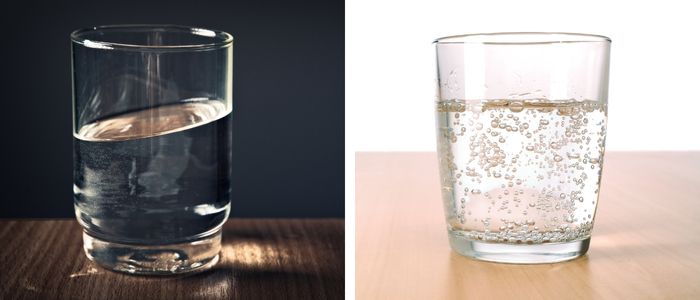 Still Water
I once tested a puddle that felt like touching a tired slug wearing a velvet suit. It was still water, no doubt. My hand smelled like compost for three days. Worth it for science.

