
Sometimes the stone is flush with the ground, swallowed by moss or sunken by decades of rain. This is where your clippers and water bottle earn their keep. Gently clear away debris without scraping the stone—abrasive cleaning can damage the surface. If the inscription is worn, try shining a flashlight at a low angle; the shadows reveal letters invisible in direct sunlight.
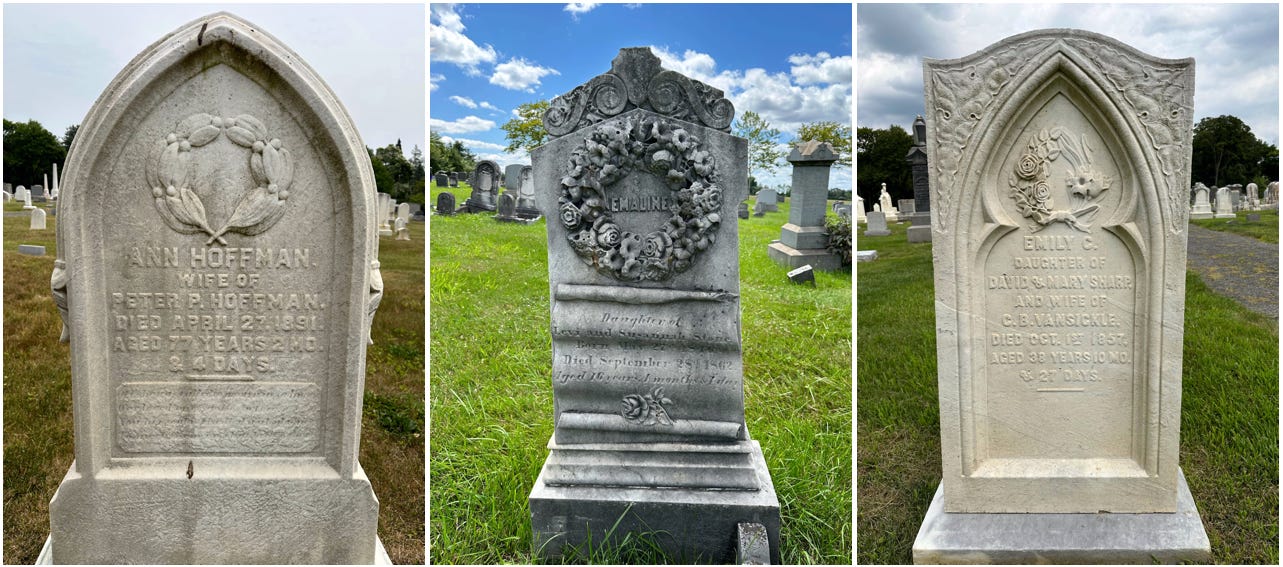 A Guide to Common Headstone Symbols - by Katie Calautti
Fun fact: in the Victorian era, headstones often included symbols like carved hands pointing to heaven or weeping willows. These symbols can help you identify a family plot even if the name is hard to read. A hand with a finger pointing up? That’s “gone to glory.” A broken column? A life cut short.
Cultural Nods and Quiet Rules
Different cultures have different markers. Jewish cemeteries often use small stones left on top of headstones as a sign of visitation, while Catholic plots may feature crosses or statues of saints. Always respect the space—avoid stepping on graves, and never sit on a headstone. It’s both a common courtesy and a matter of safety (some are fragile).
In Japan, it’s traditional to pour water over a gravestone to cool the spirits. In New Orleans, above-ground tombs double as architectural art, and visitors often leave beads or coins. You don’t need to bring offerings, but a moment of silence or a small stone on a Jewish headstone is a beautiful way to honor the connection.

