How To Dispose Of Chlorine
Let’s be real: chlorine gets a bad rap, mostly because of that eye-stinging, bleach-scented aura it leaves behind at the pool. But in our daily lives, it’s often the unsung he...
Let’s be real: chlorine gets a bad rap, mostly because of that eye-stinging, bleach-scented aura it leaves behind at the pool. But in our daily lives, it’s often the unsung hero in tap water, cleaning sprays, and even garden hoses. The tricky part? Knowing what to do with it when you’re done.
Disposing of chlorine isn’t just about being “green”—it’s about keeping your pipes, your pets, and your planet happy. Think of it as a low-stakes chemistry experiment where the only goal is not to create a toxic cloud in your kitchen sink.
We’ve all seen that bottle of bleach hiding under the sink, gathering dust and existential dread. Before you even think about pouring it down the drain, pause. Straight chlorine bleach can wreak havoc on septic systems and aquatic life faster than you can say “chlorinated pool party.”
The golden rule? Never mix chlorine with ammonia, vinegar, or anything labeled “acidic.” That combo creates chloramine gas, which is basically nature’s way of saying “stop what you’re doing.” If you smell something like a strong swimming pool mixed with a dead skunk, open a window and walk away.
So, how do you actually dispose of it? Start small: if you have liquid chlorine bleach, dilute it. One part bleach to ten parts water is the magic ratio. Let it sit for an hour, then flush it down the toilet or a utility sink—only if you’re on a municipal sewer system.
Why the toilet? Because your toilet’s plumbing connects directly to the sewer pipes, skipping your home’s main drain traps. It’s the VIP lane for chemicals that need to be escorted out. Just don’t do this with solid chlorine tablets or pool shock—those are a whole different beast.
For pool chlorine—the granular stuff or those big floating tablets—you need to think like a scientist. Chlorine is a strong oxidizer; it doesn’t just disappear when you turn off the filter. The pro move is to neutralize it with sodium thiosulfate, available at pool supply stores.
Not in the mood for specialty chemicals? No judgment. Let the pool sit uncovered for a few days. Sunlight, air, and time are nature’s chlorinators. When the chlorine level drops below 1 ppm, you can safely drain a small amount into a garden area that drains away from creeks or storm drains.
Here’s a fun fact: chlorine was first used to disinfect water in 1908, and it cut typhoid fever deaths by nearly 90%. It’s basically the clean-freak superhero of sanitation. But like all superheroes, it has a kryptonite—activated carbon.
 How To Dispose Of Chlorine Tablets Safely? - Dispose Cleverly
If you’re feeling extra eco-conscious, you can buy activated carbon filters to stick in your sink drain. They absorb chlorine before it hits the environment. It’s like giving your chlorine a first-class ticket to the recycling center of the sky.
Now, about those empty chlorine bottles. Do not toss them in the recycling bin with the cap on. Rinse them three times (yes, three), remove the label, and then recycle the plastic. The leftover chlorine residue can contaminate an entire batch of recycled paper or plastic—so be the person who rinses well.
What about chlorine in your tap water? You’ve got two chic options: a countertop pitcher with a carbon filter (think Brita, but cooler) or a whole-house filtration system. Both remove chlorine without you having to lift a single disposable bottle.
Cultural reference alert: remember that scene in Breaking Bad where Walter White uses hydrofluoric acid to dissolve a body? Well, chlorine is not that. But it will eat through rubber, latex, and some metals if left too long. So store it in its original container—always.
One more pro tip: never store chlorine in anything that once held food. Milk jugs, soda bottles, or jam jars are a no-go. The chemical can react with leftover sugars or acids, creating a miniature chemical volcano in your pantry. Not the kind of party anyone wants.
If you’re dealing with solid chlorine pucks (the kind used in pool feeders), treat them like ancient artifacts. Wrap them in newspaper, place them in a sealed plastic bag, and call your local hazardous waste facility. Most cities have free drop-off days—it’s like a very niche, very responsible flea market.
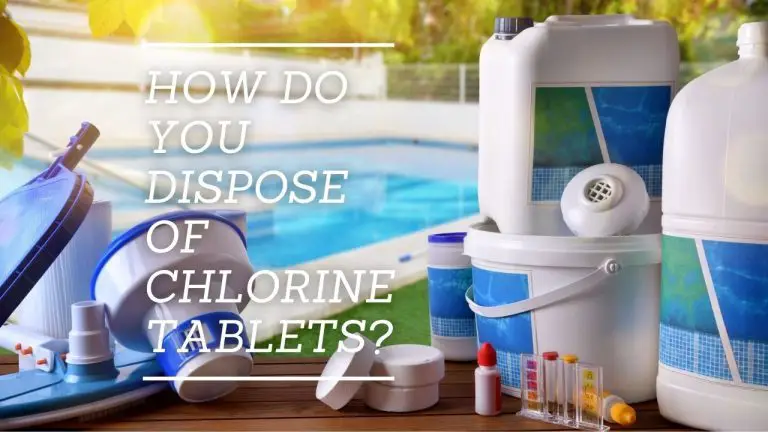 Simple Steps for Safe and Legal Disposal of Chlorine Tablets
The EPA suggests that any chlorine product should never go into a storm drain. Why? Because storm drains lead directly to rivers and oceans, where chlorine acts like a drunk party guest—killing beneficial bacteria and making fish miserable.
And here’s a wild little fact: chlorine in water reacts with organic matter to form trihalomethanes, a group of compounds linked to certain health risks. That’s why letting your pool water sit in the sun helps—UV rays break down those nasty byproducts naturally.
But let’s zoom out for a second. The easiest way to dispose of chlorine? Don’t buy more than you need. It sounds obvious, but we all fall victim to the “giant jug” thinking at the grocery store. Buy a small container, use it up, and your disposal job becomes a non-issue.
Think of chlorine like that friend who’s great at parties but terrible at goodbyes. You love what it does—clean, sanitize, disinfect—but you need a clear exit strategy. With a little planning, you can send it off gracefully.
So here’s the reflection that connects back to your daily life: every time you pour water from a filter or flush a diluted bleach solution, you’re making a tiny decision that keeps your home chemistry balanced. That’s power—the kind that doesn’t require a lab coat or a degree in environmental science.
You’ve got this. Just remember: dilute, neutralize, and never mix. Your sink, your garden, and your conscience will thank you. And the next time you smell that clean pool scent? You’ll know exactly what to do with it when the season ends.
In a world of convenience and chemicals, small, smart habits are the ultimate flex. Dispose of your chlorine like the thoughtful, slightly nerdy eco-steward you were born to be. No lab goggles required.