
Before you dump anything down your pipes, you need to test your water. I’m not talking about a fancy lab—though that’s smart, too. I mean a simple at-home kit or a local county test. You need to know if you’re fighting bacteria, iron, sulfur (that rotten egg smell), or just hard water minerals.
I skipped this step once. I “cleaned” my well by shocking it with chlorine, only to find out my problem was sediment, not bacteria. I basically threw a party for my pump and made it worse. Don’t be Past Me. Be smarter.
Side note: If your water smells like a swamp after a rainstorm, it’s usually sulfur bacteria. If it tastes like you licked a battery, it’s probably iron or manganese. The test tells all.
Shocking the Well (The Nuclear Option)
If bacteria is the culprit, you’ll need to shock chlorinate your well. This sounds dramatic, and honestly, it kind of is. You pour a bleach solution (use unscented, no-additives bleach) down your well casing. Then you run every faucet until you smell bleach, and let it sit for 12–24 hours.
Here’s the kicker: you will have to flush your entire system afterward. I’m talking running hoses into the yard for hours. My lawn smelled like a swimming pool for a week. Pro tip: warn your neighbors. They will think you’re running a covert laundromat.
Do this only if you have confirmed bacteria. Over-chlorinating can mess with your water softener or even damage your well pump seal. So read the label, measure carefully, and maybe hug your well head before you start.
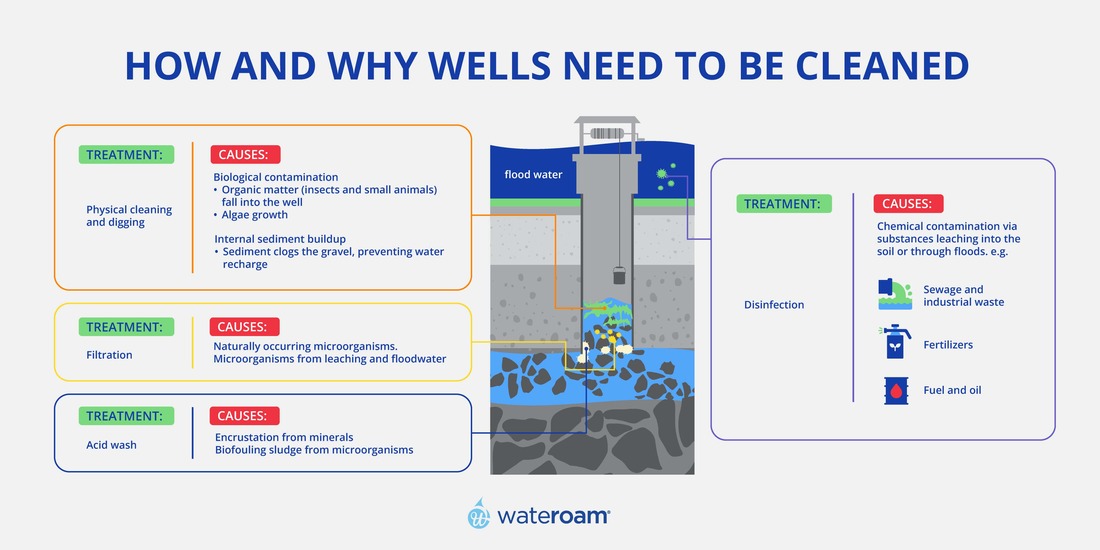 WATEROAM - Well Water Cleaning and Filtration Guide: Southeast Asia

