
Think of RO water as a minimalist home: stunningly clean, but utterly devoid of soul. Those essential minerals—calcium, magnesium, potassium—are the furniture that makes a space livable. Without them, your body has to pull from its own stores, and that’s a slow leak of vitality. Fun fact: in the 1970s, long-haul truckers who drank demineralized water reported more fatigue and cramps, a hint that pure H₂O isn’t always the hero we think it is.
The World Health Organization even suggests that very low-mineral water might affect your electrolyte balance over time. This isn’t about fear-mongering, but about good design. You’ve invested in a sleek filtration system; now invest in finishing the job. A little intention turns your glass of water from a technical marvel into a daily ritual of nourishment.
The Easiest Fix: A Pinch of Sea Salt
You don’t need a chemistry set. One of the most elegant solutions is right in your pantry: high-quality sea salt, like Celtic grey or Himalayan pink. These are not the bleached, anti-caking table salts; they’re mineral troves, containing over 80 trace elements. Add a tiny pinch—literally a few flakes—to a gallon of RO water, swirl, and taste. It’s not salty; it’s alive.
Start with 1/8 teaspoon per gallon, then adjust to your palate. You’re essentially mimicking the natural mineralization of spring water. This trick is beloved in the biohacker community, but it’s also an ancient practice: think of Japanese kombu stock, where seaweed is simmered to restore minerals to pure water. Your pinch of salt is a tiny, modern version of that wisdom.
Drop in a Stone: The Mineral Cartridge Route
If pinching salt feels too homespun for your countertop aesthetic, mineral cartridges are your sleek, set-it-and-forget-it option. These little cylinders—often filled with calcite, magnesia, and tourmaline—attach to your RO system or sit in a pitcher. As water flows through, it gently leaches minerals back in, like a slow infusion of earth. Brands like AquaTru or iSpring sell them for under $30, and they last about six months.
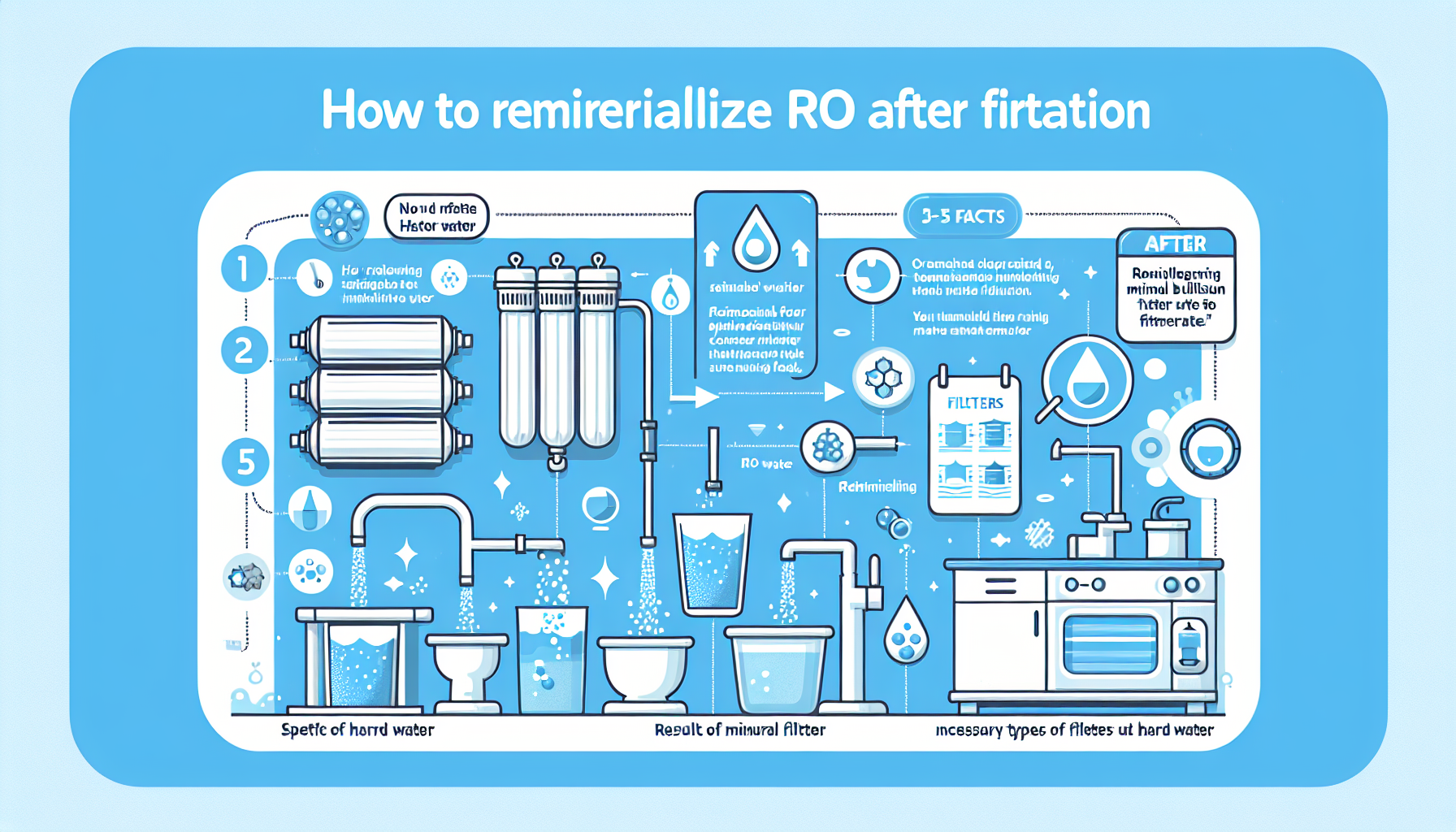 How to Remineralize RO Water After Filtration
The beauty here is consistency: no measuring, no guesswork. You get a steady stream of water with a balanced pH of 7.5 to 8.0, which is slightly alkaline. Cultural footnote: in South Korea, where RO systems are ubiquitous in homes, mineral cartridges are as standard as a rice cooker. It’s not a luxury; it’s a silent expectation of good water quality.
DIY Drops: Liquid Mineral Concentrates
For the control freaks and the weekend tinkerers, liquid mineral drops are a joy. They’re concentrated solutions of ionic minerals—usually magnesium chloride, calcium chloride, and potassium bicarbonate. You buy a small bottle, and a few drops per glass transform your RO water into something that tastes like a mountain spring. Brands like Trace Minerals Research or ConcenTrace are the gold standard.
Pro tip: add these drops after filling your glass, not into the whole jug. This way, you can customize each serving. Feeling sluggish? Add an extra drop of magnesium. Post-workout? Go heavy on the potassium. It’s like having a barista for your water, but instead of caffeine, you’re serving up electrolytes. And yes, this is the same trick that elite athletes use—Tom Brady’s hydration protocol is basically RO water with a custom mineral blend.
The Forgotten Mineral: Silica
Most people obsess over calcium and magnesium, but silica is the quiet overachiever. It’s crucial for collagen production, skin elasticity, and even hair shine. RO water naturally has almost none, but you can add it a few ways: a pinch of diatomaceous earth (food grade, obviously) or a silica-rich mineral tablet. Or, just eat a cucumber—they’re high in silica and pair beautifully with a glass of re-mineralized water.
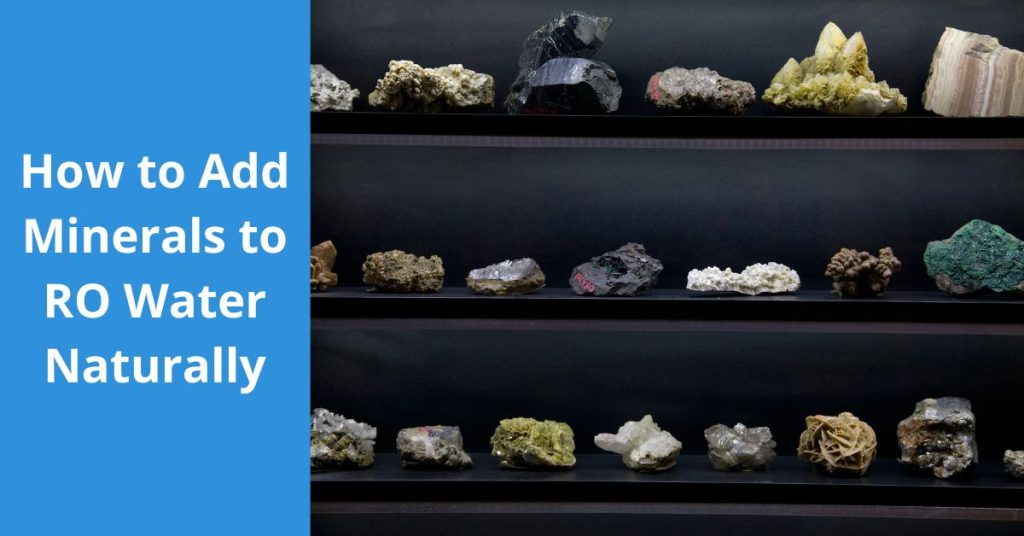 How to Add Minerals to RO Water Naturally | Living Whole
At a certain point, you’ll realize that adding minerals isn’t about fixing a deficiency. It’s about creating a sensory experience. Pure RO water tastes “flat” because of the absence of dissolved solids. A properly mineralized glass has a roundness, a slight sweetness, and a slickness on the tongue that signals quality. Your brain actually registers this as more hydrating—it’s why mineral water from a glass bottle always feels more satisfying.

