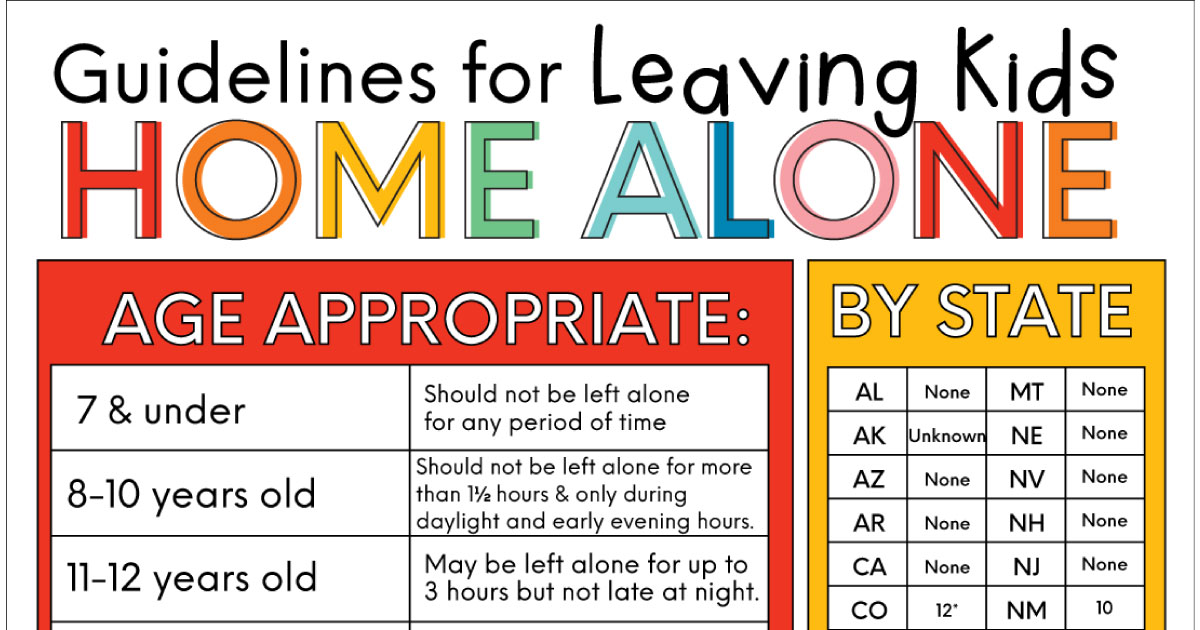
Here’s the first surprise: Most places have zero federal laws about a specific age. That’s right—Uncle Sam isn’t hiding a “National Home Alone Age” in a dusty file cabinet. Instead, it’s a wild patchwork of state guidelines, parent vibes, and common sense. Only a handful of states (like Illinois and Maryland) set a hard number, usually 14 years old. But even that’s more of a suggestion than a jail sentence—think of it like a traffic cone, not a concrete wall.
Other states just offer vague advice, like “old enough to not burn the house down.” Thanks, lawmakers. That’s super helpful when your kid is arguing that “mature enough” means they’ve watched three seasons of Stranger Things unsupervised.
The Real Adulting Checklist (It’s Weird)
Forget birth certificates—experts say the real test is whether your child can handle a hot stove without panicking and recall your phone number under pressure. One surprising fact: The American Academy of Pediatrics basically shrugs and says “maybe” starting anywhere from 11 to 12 years old, but only for short stints. By 13 or 14, most kids can handle a few hours, provided they’ve passed the “Would you call 911 or Google ‘is lava spicy’” quiz.
I once left my 12-year-old nephew alone for thirty minutes. He used that time to attempt a “cheese volcano” in the microwave. The kitchen smelled like regret for three days. So maybe don’t use my family as your benchmark.

