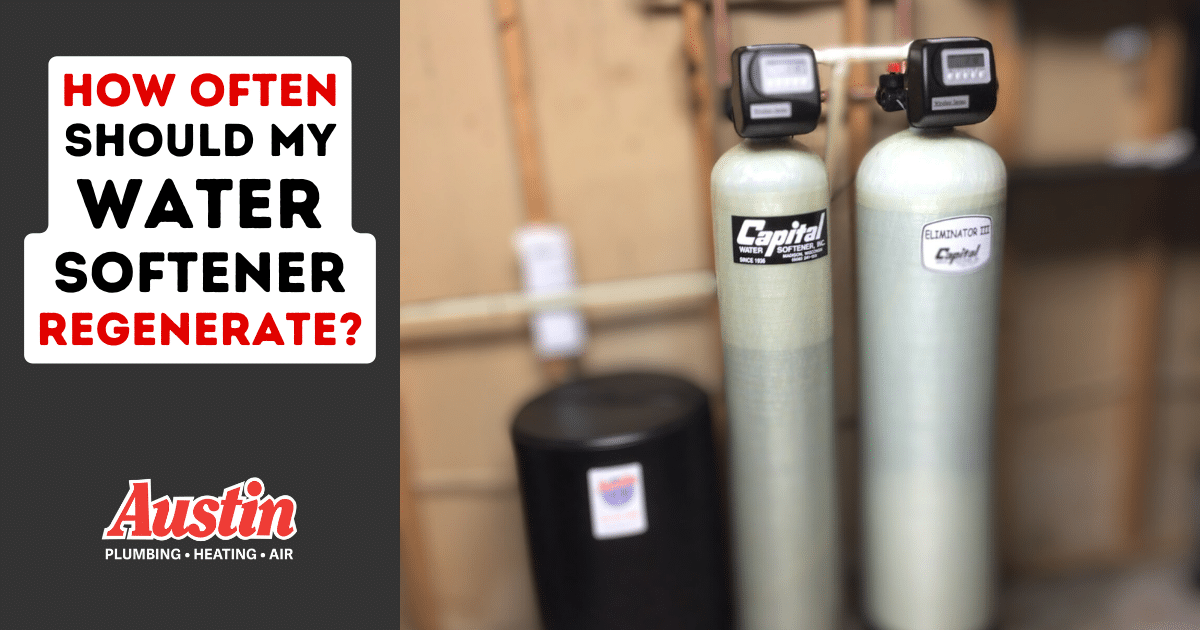
Your water softener doesn’t regenerate on a whim—it responds to water hardness and usage. Think of it like a gas tank: run it dry, and you’re driving on fumes (hard water). Regenerate too often, and you’re wasting salt, water, and money.
Most units are set to regenerate every 7 to 14 days. But here’s the wild part—that’s just a factory default. Your actual schedule depends on how many people are showering, flushing, and washing dishes (yes, that means you).
If you live alone and barely use water, your softener might stretch to two weeks. If you’ve got a house full of teenagers and a washing machine that runs nonstop, you could be looking at every 3 to 5 days.
Let’s talk about the “metered” vs. “timed” divide
Older systems—the ones your grandpa probably had—use a timed control. They regenerate at a set hour, say 2 AM every Saturday, whether you used water or not. This is like setting your coffee maker for 7 AM even if you’re on vacation. Kind of wasteful, right?
Newer models use metered (or “demand-initiated”) regeneration. They track how much water you’ve actually used, then regenerate only when necessary. This is the gold standard—smarter, greener, and kinder to your salt budget. (Your wallet will thank you.)
If you have a metered system, the answer is simple: let the machine decide. But if your unit is timed, you need to do a little math—or risk Edna’s moose problem.

