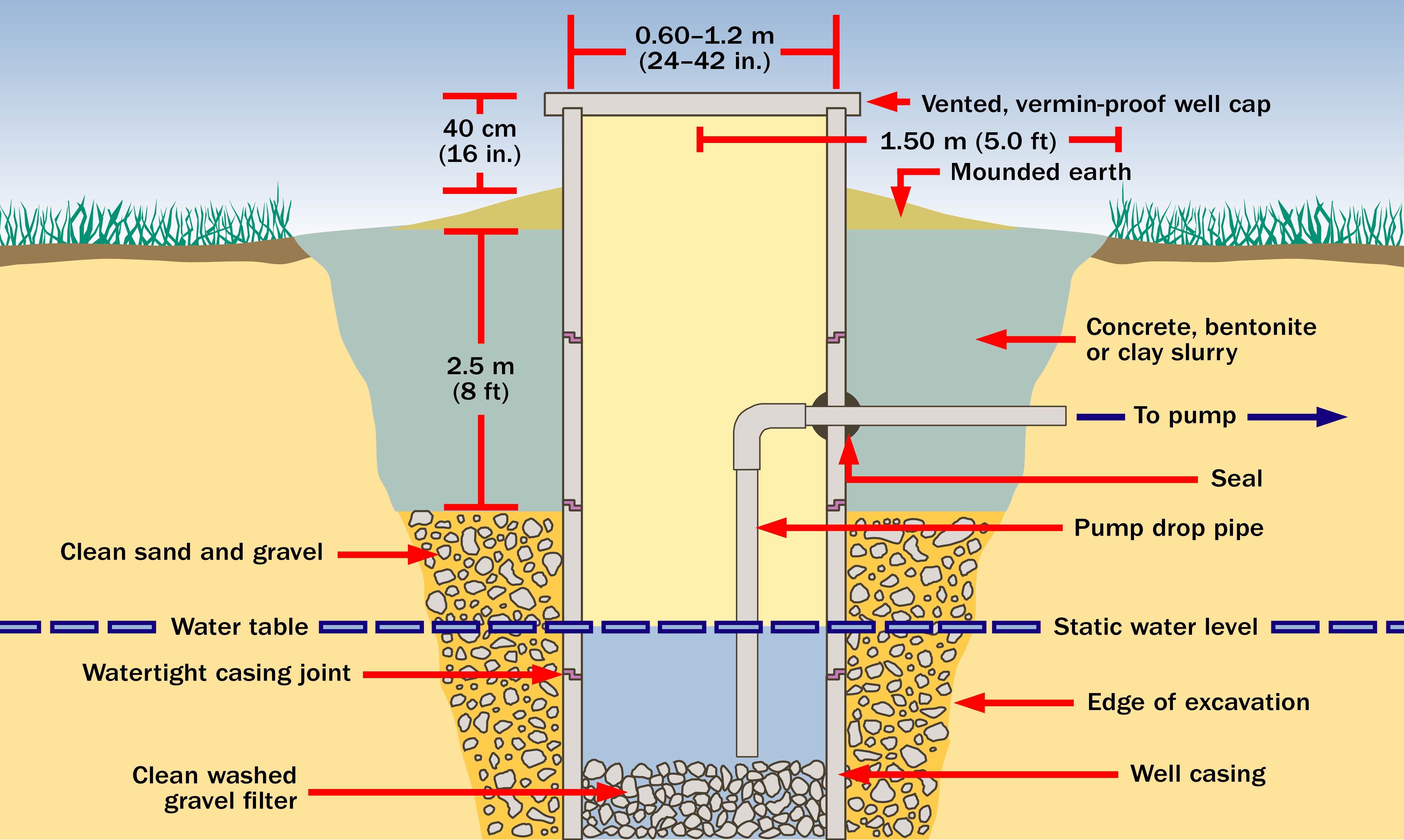
First, let’s get one thing straight: a well isn’t a giant bathtub full of water waiting for you. Most wells are just a pipe drilled into an underground layer called an aquifer. The aquifer is the real water storage—think of it as a giant, soggy sponge underground.
Your well’s pipe is like a straw sticking into that sponge. How much water you can suck out depends on how big the sponge is, how fast it refills, and how thirsty you are. Simple, right? (Spoiler: it’s not simple.)
The Yield Is What Really Matters
Instead of asking “how many gallons are in the well,” pros ask about yield. That’s the rate at which water flows into the well, usually measured in gallons per minute (GPM). A typical home well might yield 5 to 10 gallons per minute. That’s enough to run a shower, a toilet flush, and a laundry load at the same time—which is basically a miracle of physics.
If your well yields only 1 GPM, you’ll be taking military-style showers. Tick-tock, suds up! But if you’re blessed with 20 GPM, you might as well install a waterslide.

