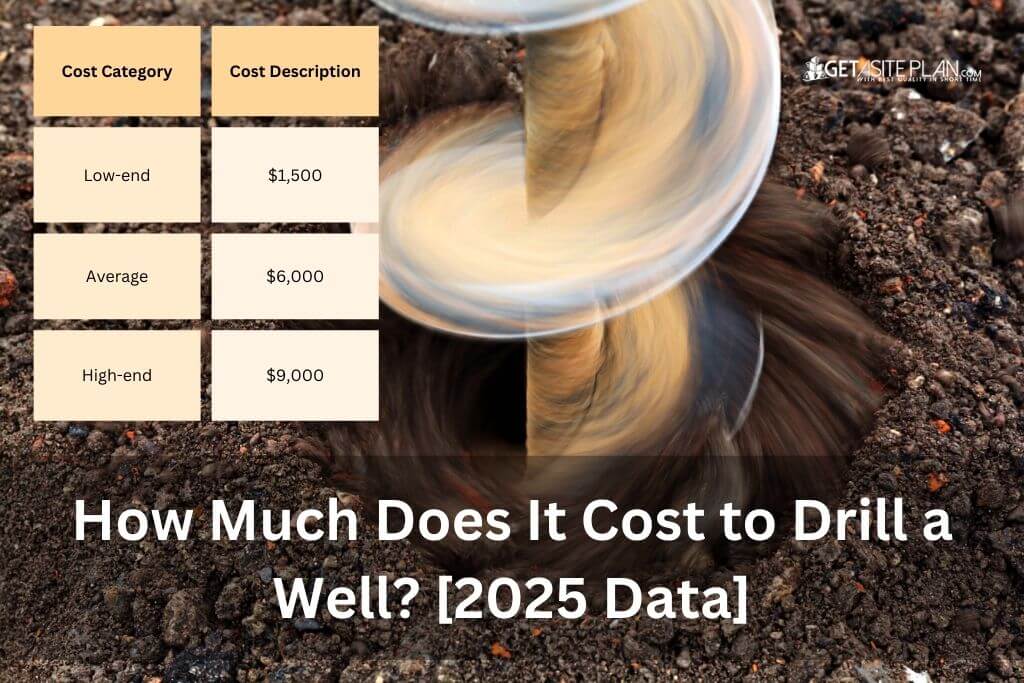
Gary’s biggest mistake wasn’t the DIY attempt—it was not getting multiple quotes first. Always get at least three estimates from licensed well drillers in your area. Check their reviews, ask for references, and make sure they carry insurance. A good driller will walk your property, test the soil, and give you a ballpark range before they ever fire up the rig. If they quote you a flat “$5,000” without even looking at your land, run. That’s the kind of promise that ends with you drinking orange water.
Another pro tip: ask about the pump and tank in the quote. Some drillers give you a low price for the hole, then nickel-and-dime you on the equipment. Get everything in writing—per foot cost, casing material, pump model, and labor for installation. Your future self will thank you when you’re not arguing over a $300 pressure switch at 8 PM on a Saturday.
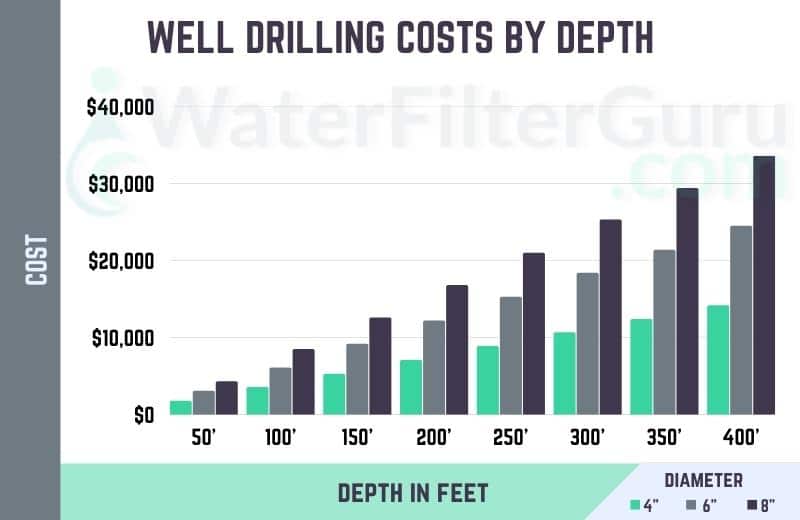 How Much Does a Well Cost? (2026 Well Drilling Cost Guide)
What about well depth and water quality?
You might think, “I’ll just drill deeper to get better water.” Well, not always. Deeper doesn’t automatically mean cleaner. In fact, deep aquifers can have high mineral content (hello, iron stains on your laundry) or even sulfur smells. Always budget for a water quality test after drilling—it’s about $100 to $300 and can save you from installing a filtration system that costs as much as the well itself. Also, if you’re in an area with known contaminants (like arsenic or nitrates), factor in a reverse osmosis system at $1,000 to $3,000. Suddenly, that $8,000 well is looking more like $11,000. Fun, right?

