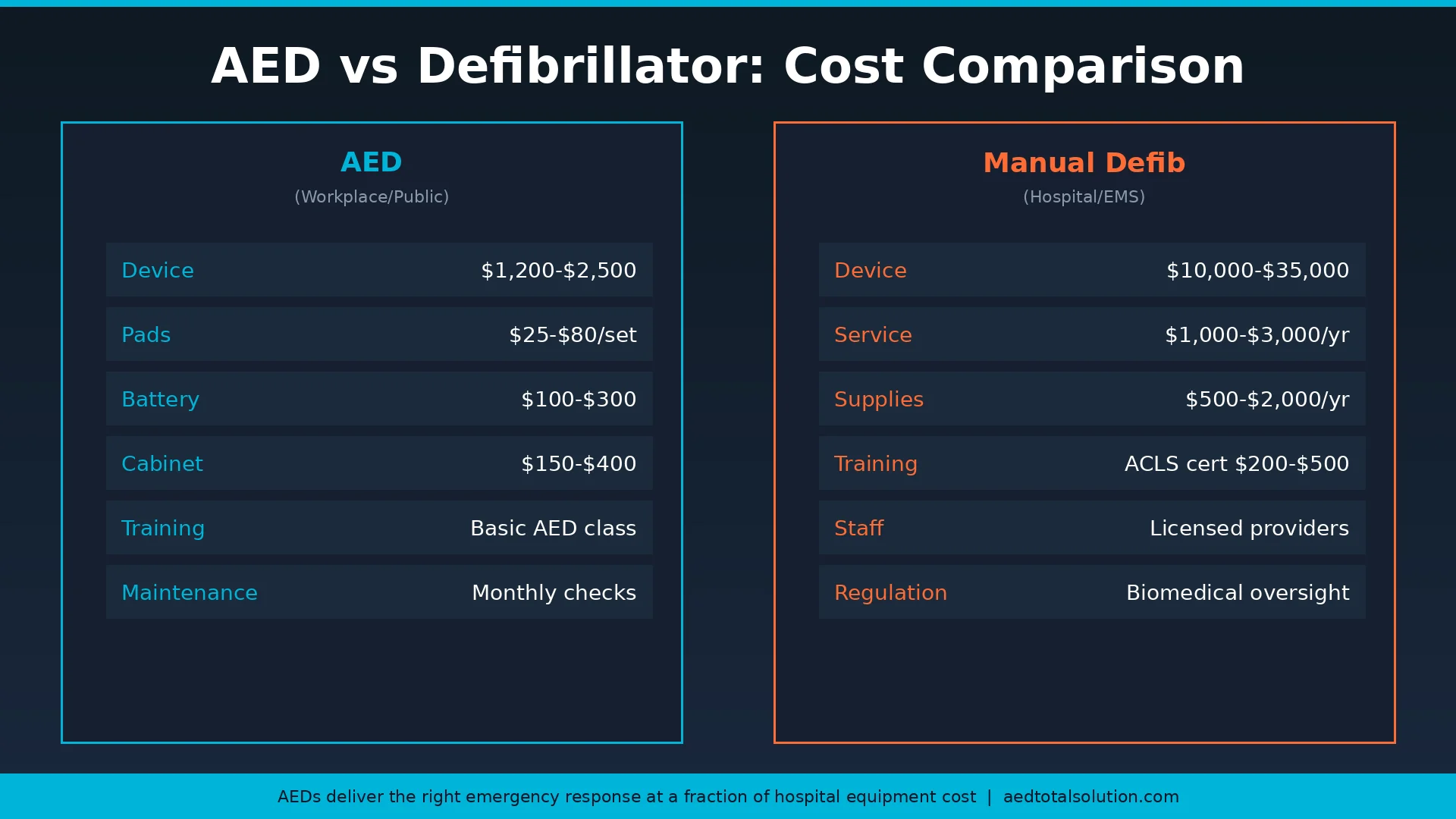
First, buy refurbished. Many AEDs from professional settings (like ambulance services) are refurbished and resold with a full warranty. A refurbished Philips HeartStart can run you $800 to $1,200. Just make sure the seller is FDA-authorized and the battery is fresh. Second, check your insurance. Some homeowner’s policies or health savings accounts (HSAs) can reimburse part of the cost. Silicon Valley types even use FSA funds for this—it’s a sneaky but legal hack.
Third, consider a subscription model. Companies like Avive offer a monthly plan where you pay $30 to $50 per month for the device, pads, and battery replacement. It’s like Netflix for your safety. That’s less than a streaming service and a couple of lattes—and it could pull someone back from the brink.
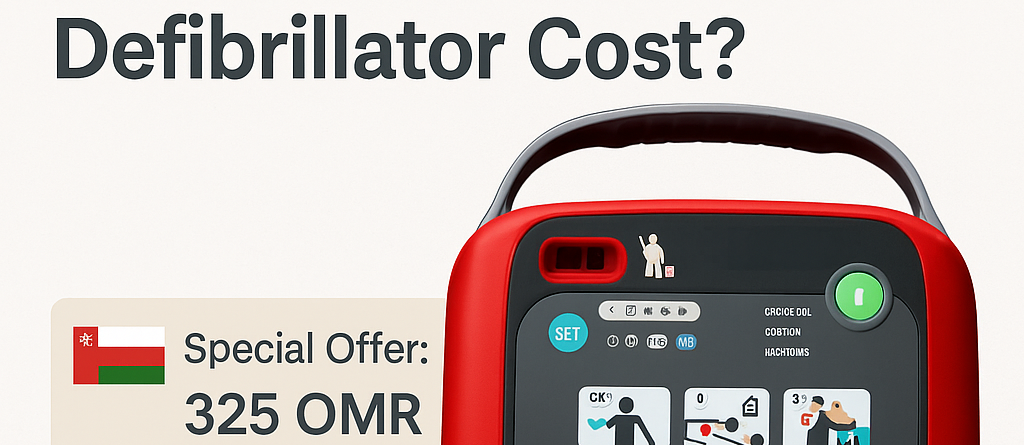 Affordable AED Machine Price in Oman & Dubai: 2026 Guide
The “Crunch” Factor: Do You Really Need One?
Let’s get real: the average healthy 30-year-old might never need an AED. But if you’re over 50, have a family history of heart conditions, or live in a rural area where ambulances take more than 10 minutes to arrive, this device becomes a no-brainer. The survival rate for sudden cardiac arrest drops by 7% to 10% every minute without defibrillation. After 10 minutes, it’s essentially zero.
It’s the same logic as carrying a spare tire—you don’t plan to use it, but when you need it, you need it. Fun fact: defibrillators work only on a specific rhythm called ventricular fibrillation. They won’t shock a flatline. So they’re not magic wands, but they’re the closest thing we’ve got to a rewind button for the heart.

