How Many Volcanoes Are In Maui
So, you’re dreaming of Maui—the lush green mountains, the golden beaches, and maybe a little volcanic action? You’ve heard the island was born from fire, right? Well, let’s ge...
So, you’re dreaming of Maui—the lush green mountains, the golden beaches, and maybe a little volcanic action? You’ve heard the island was born from fire, right? Well, let’s get right to the big question: how many volcanoes are actually on Maui?
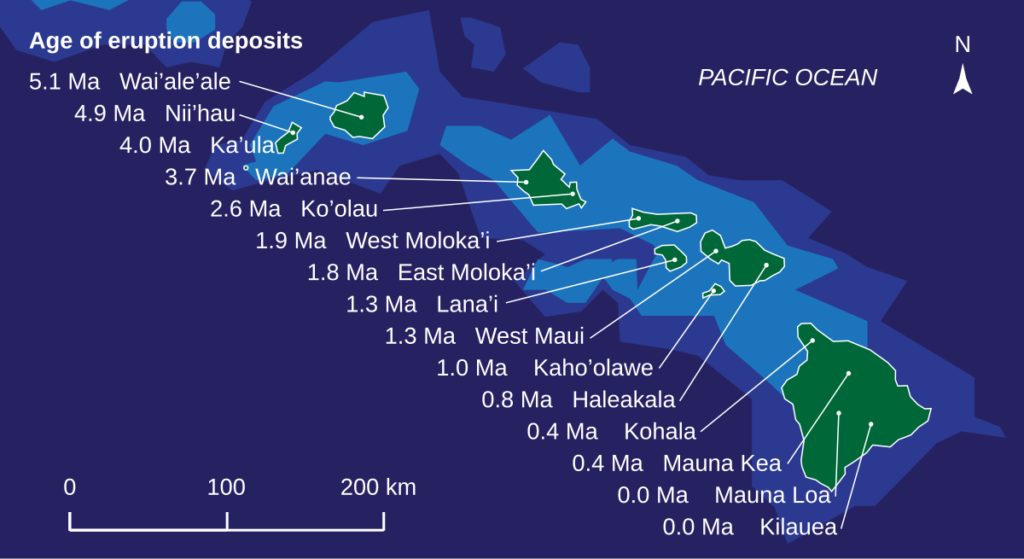
The short answer? Two. Yes, just two. But don’t let that small number fool you—these two are absolute giants in the geological world.
Let’s meet the first one: Haleakalā. You’ve probably seen the sunrise photos from its summit, because everyone and their uncle has one. Haleakalā is a massive shield volcano that makes up more than 75% of Maui’s landmass.
That means when you’re driving through the island, you’re basically living on the back of a slumbering giant. And yes, it’s dormant—not extinct—so it could, in theory, wake up for a snack one day. But don’t panic; scientists say it’s been napping for about 400 to 600 years.
Now, the second volcano is the shy, less famous sibling: Mauna Kahālāwai (also called the West Maui Mountains). This one is actually older than Haleakalā, and it forms the western part of the island, where you’ll find resorts like Lahaina and Kaanapali.
Mauna Kahālāwai is long extinct, meaning its magma days are totally over. No drama, no lava, just beautiful, eroded ridges and waterfalls. Think of it as the wise grandparent of Maui’s volcanoes—quiet, dignified, and covered in tropical gardens.
So, to recap: two volcanoes—one dormant (Haleakalā) and one extinct (Mauna Kahālāwai). But wait, there’s a fun little twist in this volcanic tale. Maui also has a bunch of minor volcanic features, like cinder cones and lava tubes, especially inside Haleakalā’s massive crater.
Those little bumps and holes don’t count as separate volcanoes, but they’re like the volcano’s cute freckles. So if you go hiking in the crater, you’re basically walking through a geological playground of ancient fire shapes.
Now, I know what you’re thinking: “But I heard Hawaii’s Big Island has five volcanoes—why does Maui only have two?” Great question! Maui is an older island, geologically speaking, so many of its smaller volcanoes have eroded away or sunk beneath the waves.
The Big Island is still a hot, young party animal, erupting and growing. Maui is more like that cool, settled friend who says, “I did my wild lava days, now I just want to relax and grow some pineapples.”
 Maui Is Composed of Two Large Volcanoes Separated by a Low-Lying
And speaking of the Big Island, did you know that Maui actually used to be a third island? That’s right—thousands of years ago, Haleakalā and Mauna Kahālāwai were separate islands, with a channel of ocean between them.
Then, lava flows from both volcanoes slowly filled in the gap, creating the “Maui Nui” land bridge. So really, Maui is a volcanic love story—two fiery mountains that fell for each other and decided to hold hands forever.
Okay, let’s get a little more specific. Haleakalā’s summit sits at 10,023 feet above sea level. But if you measure it from the ocean floor—where it really starts—it’s actually taller than Mount Everest. Mind blown, right?
Mauna Kahālāwai tops out at about 5,788 feet, which is still impressive, but it’s like the little sibling who says, “My brother is the tall one.” Together, they make Maui a volcanic duo that’s both dramatic and cozy.
One more fun fact: Haleakalā’s crater is technically not a “crater” in the traditional sense—it’s a valley formed by erosion and collapses. Scientists call it an “erosional depression,” which sounds like a fancy term for “really big hole where the volcano got tired.”
So when you visit, you’re not standing in an active bomb site; you’re standing in a peaceful, ancient bowl full of rainbow-colored cinders and rare silversword plants. It’s like a painting that took a million years to finish.
Now, the million-dollar question: will any of these volcanoes erupt again? For Mauna Kahālāwai, the answer is a solid no. It’s extinct, done, finito. For Haleakalā, the math is a little fuzzier.
 How Many Volcanoes Are in Hawaii and Their Features
Geologists say Haleakalā is “dormant,” which means it could theoretically erupt again—but the odds in your lifetime are lower than winning the lottery while being struck by lightning. So relax, keep your sandals on, and enjoy the sunrise.
In fact, the last time Haleakalā erupted was around 1790, which is the same year George Washington was still president. That’s a long nap! And since then, it’s just been chilling, growing clouds, and giving tourists Instagram-worthy moments.
So to answer your original question simply: Maui has two volcanoes—one big, one smaller; one sleepy, one snoozing forever. But that’s not the whole story, because these two have shaped everything about the island’s beauty, from its black sand beaches to its lush rainforests.
Every time you see a gorgeous cliff or a hidden waterfall on Maui, you’re looking at the handiwork of these ancient fire artists. They’re like the ultimate painters, using lava instead of watercolors.
And here’s the uplifting part: you are walking on a living, breathing, still-warm planet. Maui’s volcanoes remind us that even though they’re quiet now, our world is full of creative, fiery energy. It built islands, it made rainbows, and it gave us this paradise.
So next time you’re eating a shave ice on a Maui beach, just whisper a little “thanks” to Haleakalā and Mauna Kahālāwai. They did the heavy lifting (literally) so you could have a nice vacation.
And if you ever feel stressed or small, remember: you’re standing on an island forged by two volcanoes that turned ocean into earth. That’s some powerful energy to carry with you. Go ahead, take a deep breath, and feel the heat—the friendly kind.
Mahalo, volcanoes. And mahalo to you, dear reader, for letting me nerd out about rocks and fire. Now go enjoy Maui—and maybe don’t try to count the volcanoes again; you already know the answer.