The short, ugly answer is a lot. The official estimates start at around 4,000, but most modern historians lean toward double that number. Why the crazy gap? Because the U.S. government, which forced the removal, kept terrible records. (Shocking, right? The government bad at record-keeping—I know, I can barely contain my sarcasm.) We're talking about a forced march of over 60,000 Native people from the Southeast to Oklahoma, spanning 1830 to 1850.
The specific "Trail of Tears" usually refers to the Cherokee removal in 1838-1839. But the Choctaw, Chickasaw, Creek, and Seminole went through their own versions of hell. Each tribe had its own death toll. The Choctaw, for instance, lost an estimated 2,500 to 6,000—about a fifth of their population. Think about that. One in five. Gone.
The math is a nightmare of guesswork
Why can't we just say "X died"? Because people didn't die neatly on a spreadsheet. They died in camps waiting for boats. They died of starvation on the route. They died of exposure to freezing rain or blistering heat. They died from diseases like cholera, which swept through the crowded detachments like wildfire.
One heartbreaking detail: many deaths were never recorded because no one was counting. Federal agents paid contractors per person delivered, not per person who started. So, if a grandmother collapsed on the trail? Just... keep walking. Nobody wrote her name down. (I’m not trying to be dramatic, but that detail makes my blood boil.)
Historians have to piece it together from scattered letters, military reports, and missionary accounts. The best recent scholarship, like that by Dr. Russell Thornton, suggests a total death toll of around 8,000 to 10,000 for the Cherokee alone. For all five tribes combined? We're looking at 15,000 to 20,000 souls.
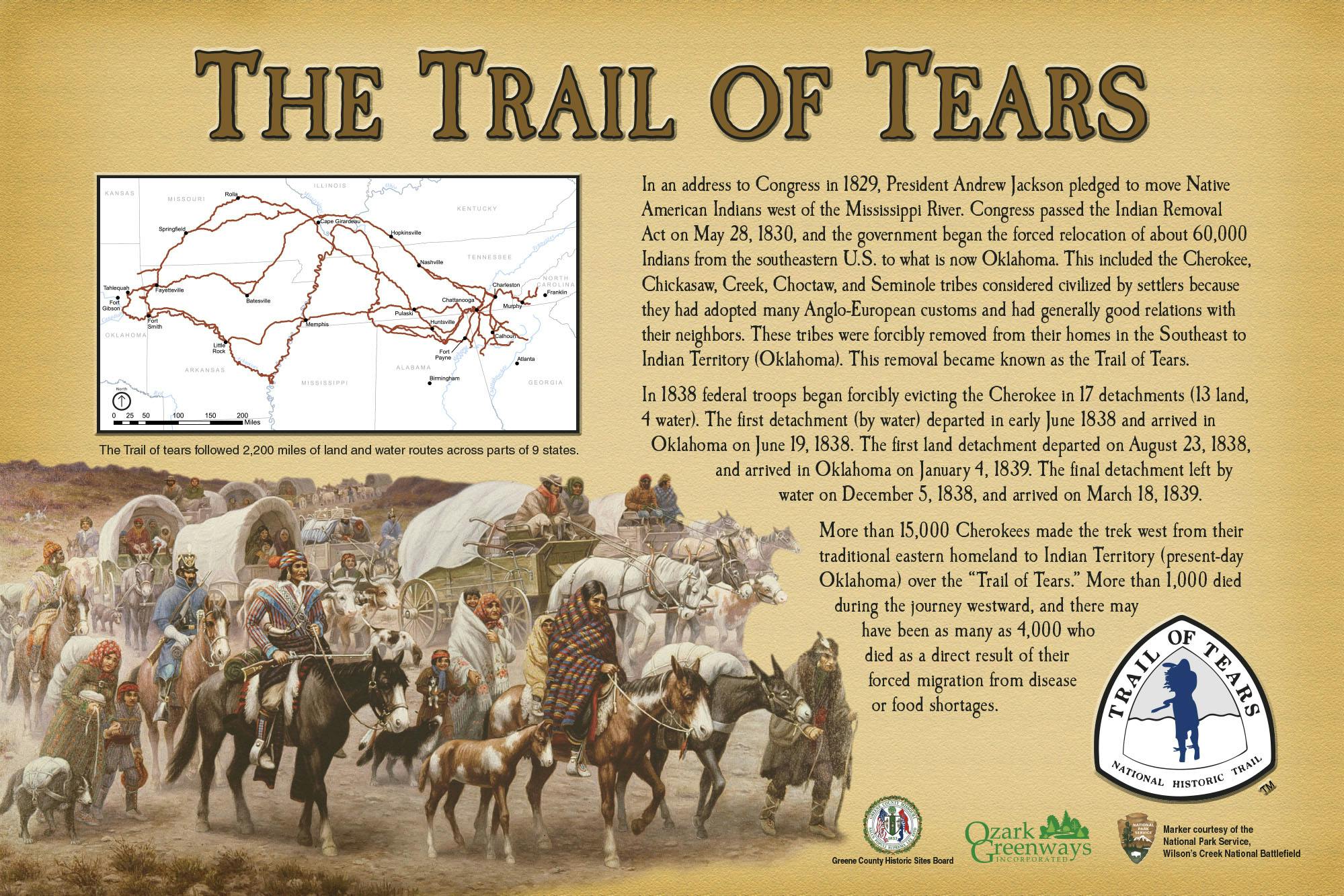 You Can Still Visit Parts Of The Trail Of Tears In Springfield