Think of it like this: the actual religious celebration—the special prayer, the charity, the first big feast—happens on Day One. That’s the core, the heart of Eid.
However, many Muslim-majority countries declare official public holidays for three days. Why? Because you simply cannot contain all the visiting, the eating, the gift-giving, and the sheer joy in a single day!
Imagine trying to fit all your family visits, your best friend’s party, and your aunt’s legendary biryani into one 24-hour window. Impossible, right? So, the calendar gives you a little breathing room.
The "Wrap-Around" Effect
Here’s where it gets a bit wobbly—and honestly, where the fun lives. Since Eid starts with the new moon, the exact day shifts each year based on when the crescent is sighted.
So, you might actually end up with four or even five days of festivities. Let’s say the moon is sighted on a Thursday night. Thursday night is “Eid Eve,” the anticipation is electric!
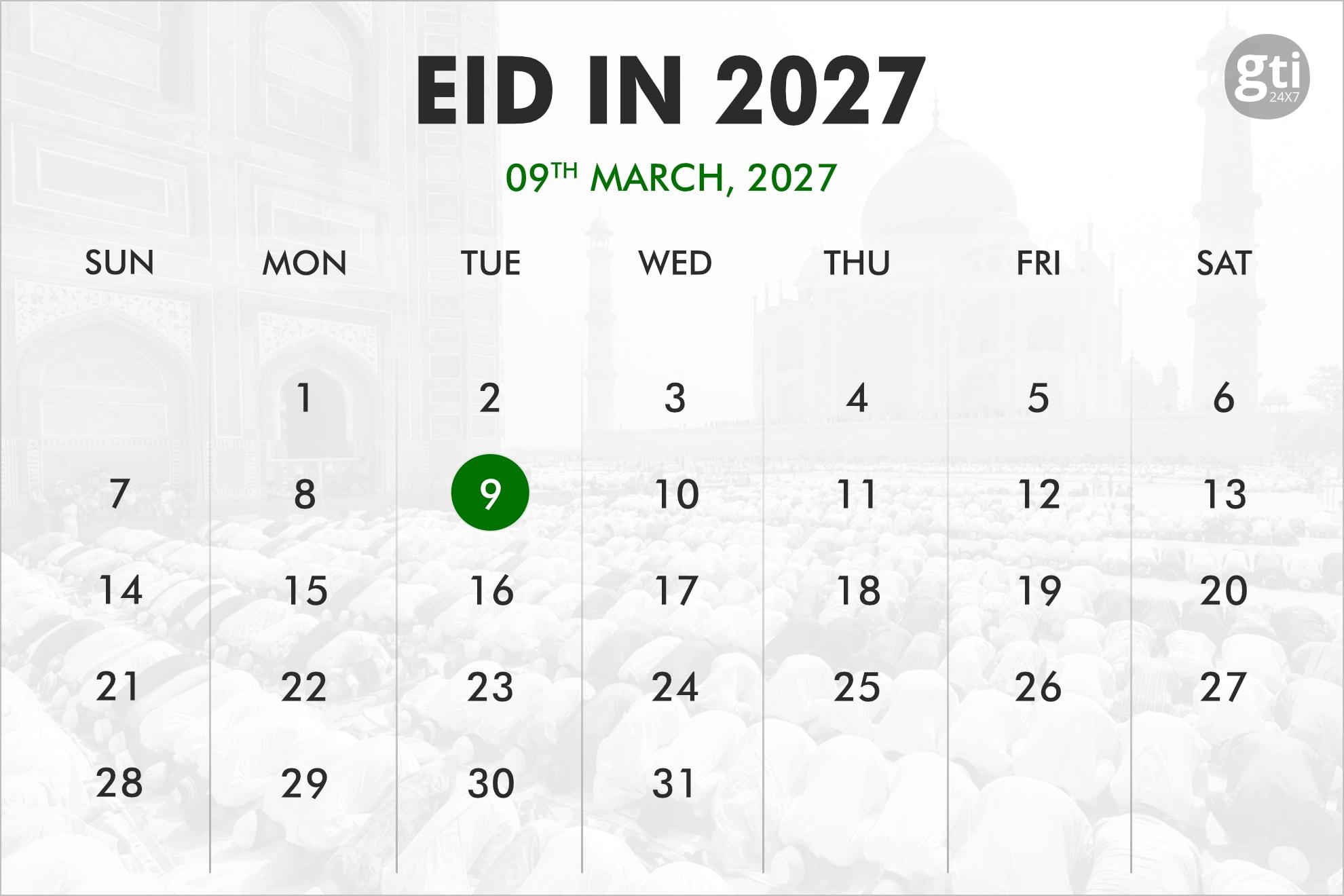 When is Eid in 2027, 2028, 2029?
Then Friday, Saturday, and Sunday become the full-blast celebration days. Boom—you’ve got yourself a spontaneous long weekend that feels like a mini-vacation dropped from the sky.
This is why people will cheerfully say, “Eid Mubarak!” for several days and keep the party going. The spirit of Eid doesn’t abide by a strict time clock—it lingers as long as the happiness lasts.