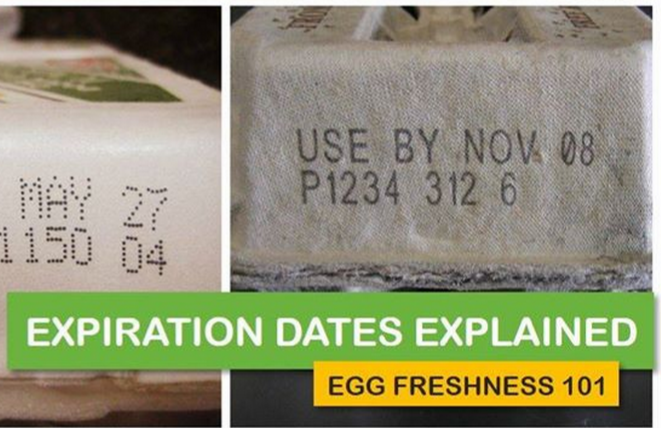
Before you crack that doubtful egg into a hot pan, become a detective. There are two dead-simple ways to check if your eggs have joined the dark side. First, the sniff test: if you crack an egg and it smells like a sulfurous swamp, do not pass go. That is a clear sign of “the old, the bad, and the stinky.”
Second, the legendary float test. Fill a bowl with cold water and gently place the egg in it. A fresh egg will sink and lie flat on its side—that’s a Grade A, fresh-as-a-daisy champ. If it stands upright on the bottom, it’s still good but getting old. If it floats like a tiny, seasick submarine? Bin it immediately. That air pocket has grown big enough to betray the egg’s age.
Why Do Eggs Float When They’re Bad?
Here’s the science, and it’s actually kind of gross in a fascinating way. Eggshells are porous—they breathe. Over time, moisture escapes and air seeps in, creating a larger air cell inside. The egg also releases gases as it slowly decays. More air + stinky gases = float. It’s like a balloon that’s been pumped with disappointment.
Fun fact: An egg can lose up to 10% of its weight due to moisture loss over several weeks. That’s why old eggs look a bit shrunken in the carton. They’re not on a diet; they’re just dehydrating into tiny, prehistoric fossils.

