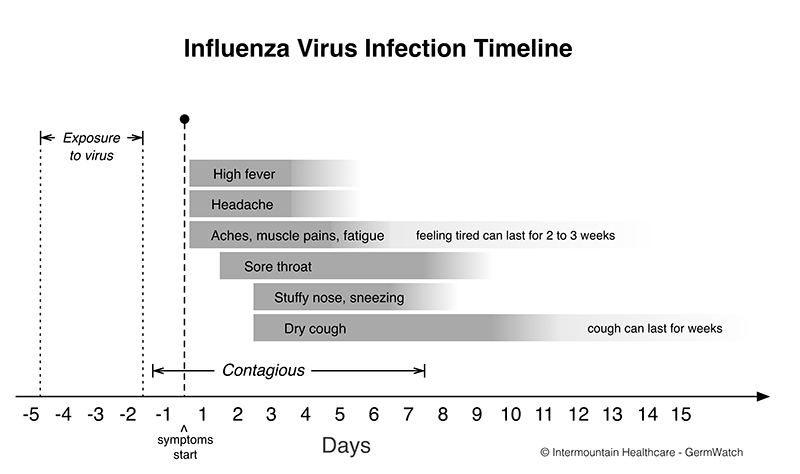
Why can’t your body just sound the alarm the second a flu virus lands on your nose hairs? Well, it’s like a lock picking a safe. The virus needs time to break into your cells, hijack their machinery, and throw a copy-paste party. Your immune system, bless its cotton socks, needs a few days to realize something’s wrong and raise the red flag.
Scientists call this the “eclipse phase,” which sounds way cooler than “the time you’re walking around clueless.” During this phase, the viral load is building up, but your body hasn’t yet mounted its defense. So, you might feel perfectly fine while the flu is secretly setting up its headquarters inside you. Rude.
But here’s the kicker: not everyone has the same incubation time. If you’re young, healthy, and have the immune system of a superhero, the flu might take the full four days to show its ugly face. If you’re stressed, sleep-deprived, or sharing a subway car with a sneezing choir, you could feel symptoms in under 24 hours. Your mileage may vary—literally, like a bad GPS for your germs.
The Contagious Window: A Sneaky Timeline
Let’s talk about the part that makes you want to lock yourself in a bubble. You’re most contagious 24 hours before symptoms even start, and you stay contagious for about 3 to 5 days after falling ill. That means the day you feel “a little off” but still go to the grocery store? Yeah, you’re Patient Zero of your own personal epidemic. Sorry.
Kids and people with weaker immune systems can be contagious for even longer—think a week or more. So if your toddler wakes up with a sniffle and then gives you a sloppy kiss, don’t be surprised if you’re Googling “flu incubation period” the next day with a growing sense of dread. Parenting: the gift that keeps on giving.
One more fun fact: viral shedding (the scientific term for “spraying germs everywhere”) peaks right when symptoms start. So that first sneeze is basically the flu waving a flag and shouting, “We’ve arrived!” Your body’s immune response—fever, aches, fatigue—is its attempt to shut down the party, not the virus itself.