
How Long Does Bacteriostatic Water Last In The Fridge
Picture this: you’re deep into your weekend wellness routine—maybe prepping a peptide injection, mixing a vitamin shot, or concocting a custom skincare serum. You reach for th...
Picture this: you’re deep into your weekend wellness routine—maybe prepping a peptide injection, mixing a vitamin shot, or concocting a custom skincare serum. You reach for that little bottle of bacteriostatic water from the fridge, and a whisper of doubt creeps in: Is this still good? It’s a question that feels surprisingly high-stakes for something so small and clear. Let’s pour a cup of coffee, get comfy, and untangle the timeline of this quiet, essential little liquid.
First, a quick reality check: bacteriostatic water isn’t magic. It’s sterile water with a tiny pinch of benzyl alcohol (0.9%, to be precise) which acts like a polite bouncer, keeping bacteria from setting up shop. The moment you pop that rubber stopper and insert a needle, the countdown begins. In the fridge, at a steady 2-8°C, that countdown is typically 28 days after first use—a surprisingly generous window compared to regular water, which would go bad in hours.
But here’s where the fridge becomes your best friend and your sneaky foe. The cold slows down microbial growth, yes, but it doesn’t stop chemical degradation or contamination from your own habits. Think of it like keeping a half-eaten avocado—chill helps, but you wouldn’t trust it after a month without a sniff test. For bacteriostatic water, the fridge is a protector, not a reset button.
Now, let’s drop some pop culture. Remember that scene in Breaking Bad where Jesse watches Walt meticulously handle vials? That obsessive attention to sterility is your new best friend. If you’re treating your bacteriostatic water like a careless party host—using dull needles, skipping alcohol swabs, or letting it warm up on the counter for hours—you’re inviting invisible crashers. The fridge can’t save a bottle that’s been compromised by sloppy technique.
Fun fact: the 28-day rule isn’t just a random number from a lab manual. It’s based on studies showing that benzyl alcohol’s antimicrobial power starts to fade after about a month, even in cold storage. Think of it as the water’s personal expiration date for effectiveness. After that, you’re basically injecting slightly cleaner tap water—minus the fluoride. If you’re a peak-performance type, mark your calendar on day one.
Practical tip: store your vial upright in the back of the fridge, not the door. The door temperature fluctuates every time you grab oat milk or a leftover burrito, which stresses the preservative. Also, never, ever use a needle that’s touched a multi-use vial of another substance—cross-contamination is the villain in this story. And if the water looks cloudy or has particles floating? Discard it immediately. That’s not “aging gracefully”; that’s a science experiment gone rogue.
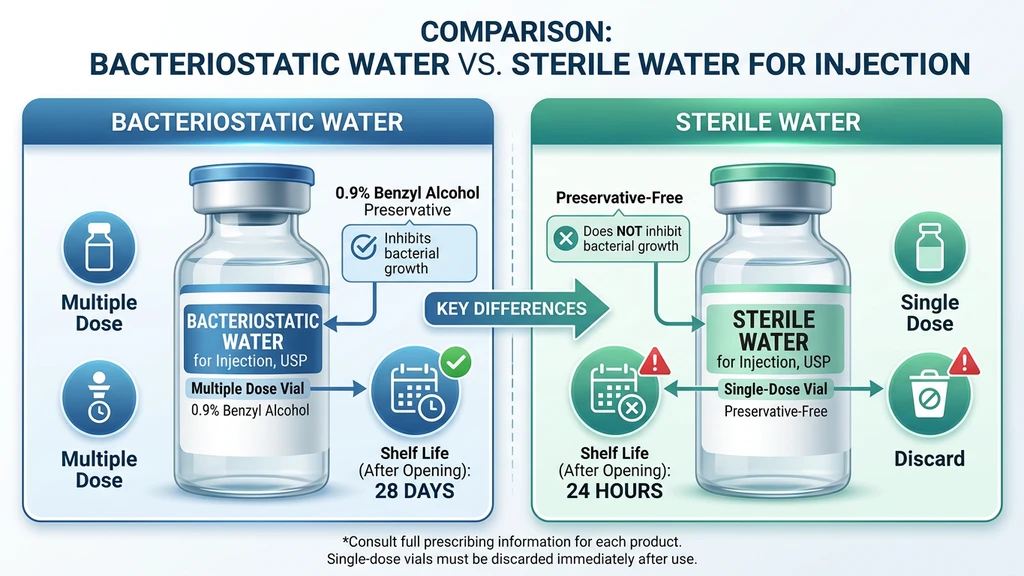 How Long Do Reconstituted Peptides Last? | PeptidesExplorer
Cultural reference time: this is the Marie Kondo approach to medical supplies. Does this bottle spark joy? Probably not—but it should spark confidence. If you’re unsure, toss it. A $5 bottle of bacteriostatic water is not worth a trip to urgent care or a ruined batch of expensive peptides. Minimize, sterilize, and refrigerate could be your new mantra.
Let’s talk timelines for different scenarios. If you’re mixing a daily injection, that 28-day window feels generous—but use a fresh needle every draw to keep the bottle happy. If you’re a sporadic user—maybe you only use it once a week for a special blend—the fridge still buys you time, but check the clarity before each use. After 28 days, even if it looks pristine, the preservative has waved goodbye. Trust the science over your eyes.
Random fun fact: bacteriostatic water was originally developed for hospital use, where vials get used up fast. The benzyl alcohol also helps reduce pain at the injection site compared to plain sterile water. So, the fridge longevity isn’t just about safety—it’s about maintaining that soothing, gentle quality. Once the alcohol degrades, your injection might sting more. Not a dealbreaker, but good to know.
Now, a note on the “fridge vs. room temperature” debate. Some folks swear by leaving bacteriostatic water out, citing convenience. Don’t. Room temperature cuts the shelf life to about 14 days, and that’s if you’re pristine. The fridge is like a time capsule—it extends your grace period. Unless you live in a sterile lab (and let’s be real, you don’t), keep it chilled. Your future self will thank you.
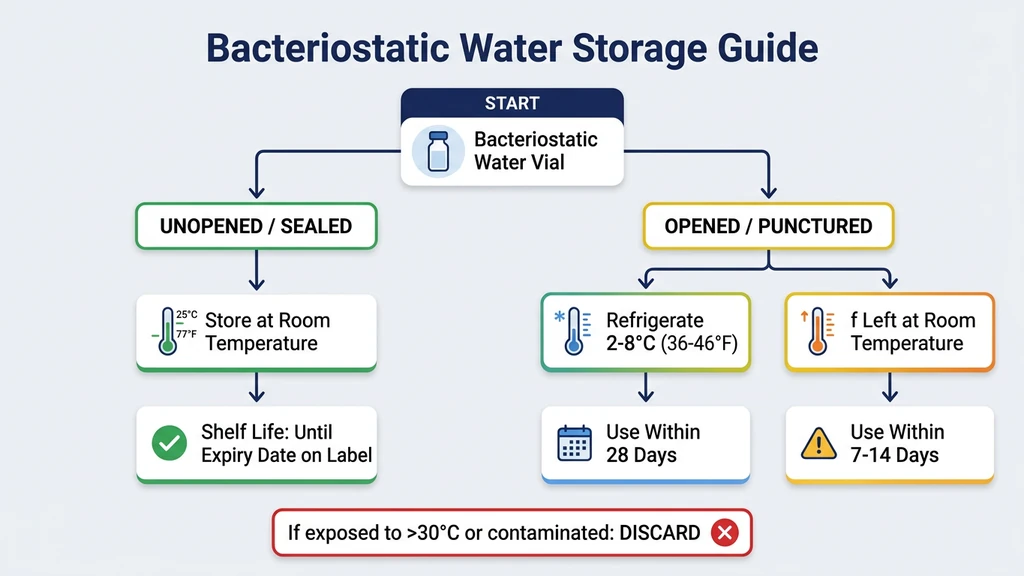 Bacteriostatic Water Refrigeration | PeptidesExplorer
Practical hack: write the date of first puncture directly on the vial with a permanent marker. It’s a tiny habit that saves endless mental math. Pair it with a colorful sticker if you’re feeling fancy—call it aesthetic labeling. It’s also a great excuse to buy a fun set of lab-style stickers. Who says medical logistics can’t have personality?
Let’s get philosophical for a second. Bacteriostatic water is a metaphor for so many things in life: timing, care, and boundaries. You can store your potential in a cool, safe place, but eventually, it needs to be used or let go. The fridge buys you weeks, not months. Procrastination doesn’t improve the formula. Whether it’s a career goal, a friendship, or a tiny vial of water, the clock starts ticking the moment you open it.
Before you go, here’s a finale tip from the pros: if you’re a heavy user—say, cutting a vial in under a week—you can actually use it for up to a month with no worries. Light users should consider single-dose vials or smaller bottles to avoid waste. But remember, your safety is the real luxury. Don’t gamble with cloudy water or a bad memory. Your body deserves clean, fresh ingredients, whether you’re mixing a biohack or just making a salad dressing.
So, next time you slide that bottle back into the dairy drawer, give it a little nod. You understand each other now. You know it lasts about a month, you know the fridge is its sanctuary, and you know when to say goodbye. That’s not just smart science—it’s a quiet little win for your daily life. And honestly, that’s the kind of clarity we all need, one small clear bottle at a time.

