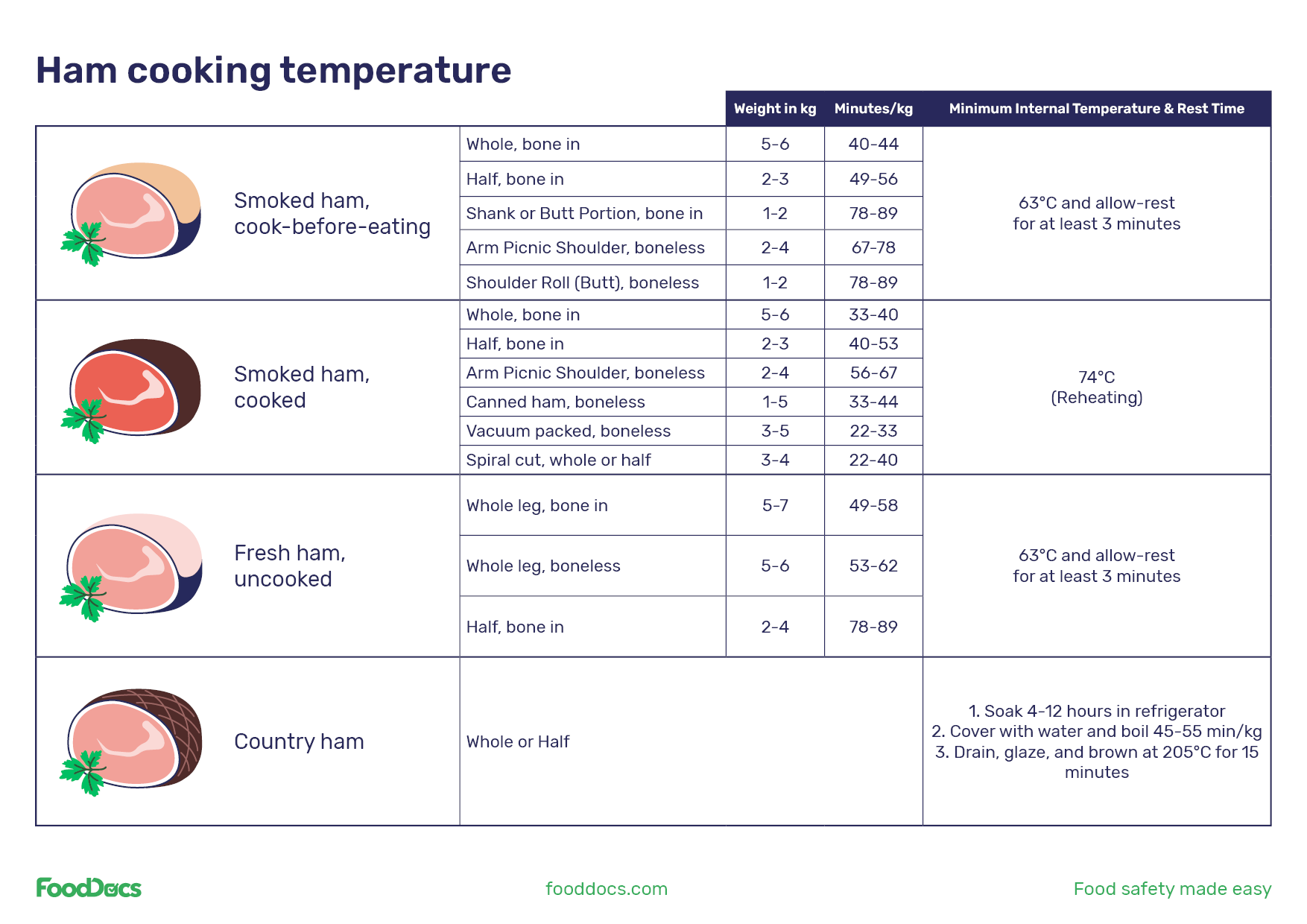
If your ham is spiral-sliced (those beautiful, pre-cut rings), you must wrap it tightly in foil or it will turn into a pile of dry shoe leather. The exposed cuts lose moisture fast. I learned this the hard way when my spiral ham looked like a desert landscape after an hour. For an unsliced ham, you’ve got more wiggle room—it stays juicier because the meat is in one solid chunk. But all hams benefit from a little patience and a low oven—320°F to 325°F is your sweet spot.
The Glaze Tango (And Why Timing Matters)
Everyone online tells you to “glaze the ham” like it’s a religious ritual. But apply the glaze too early, and the sugar burns into a sticky, bitter crust that tastes like regret. I once glazed a ham 45 minutes before serving, and the kitchen smelled like a candy factory fire. The trick? Apply your glaze (brown sugar, honey, mustard—you do you) only for the last 20 to 30 minutes of cooking. That gives it time to caramelize without turning into charcoal. You’ll thank me when your ham looks like a glossy magazine cover.
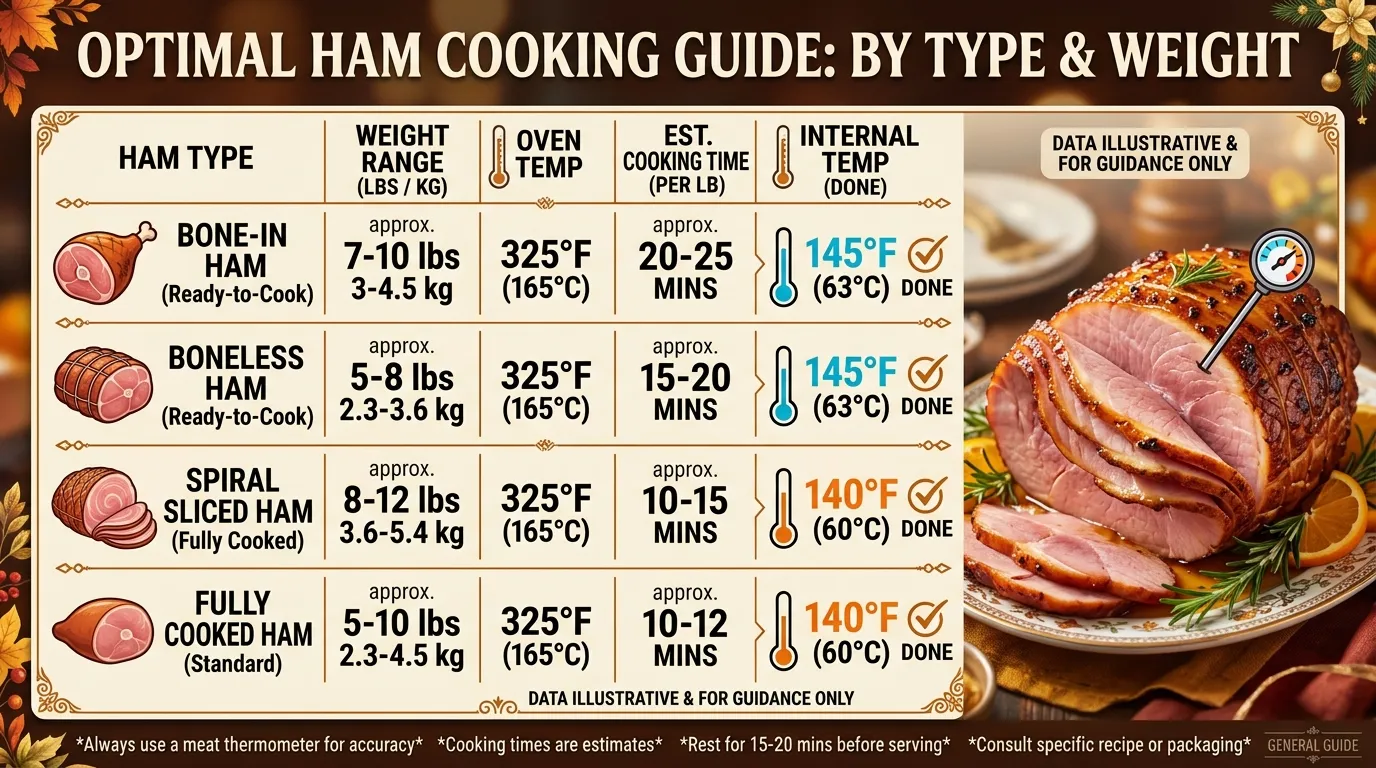 Optimal Ham Cooking Time Based on Weight and Type - Weather Cooking

