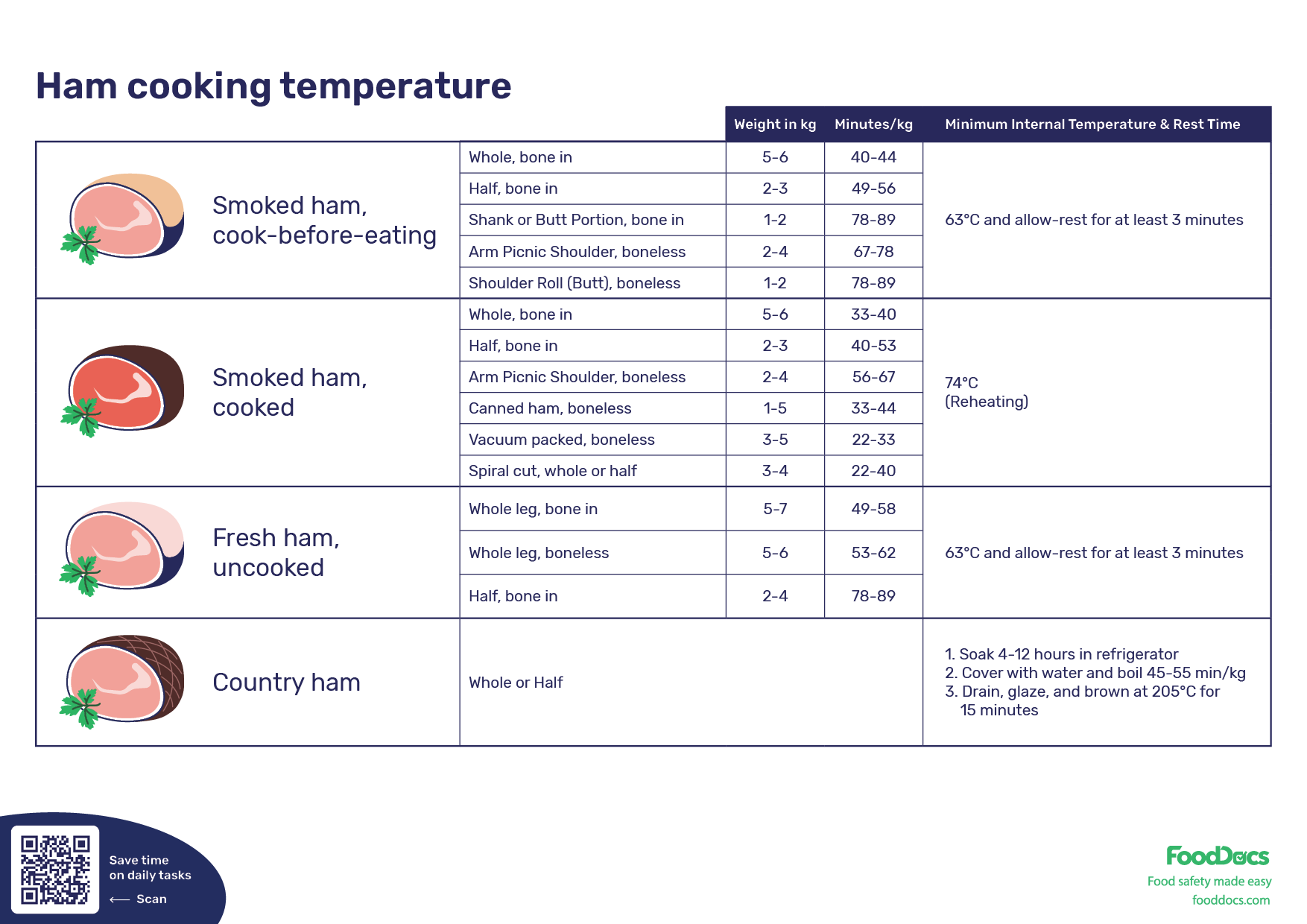
According to the USDA, cooked ham—whether it’s honey-glazed, smoked, or spiral-sliced—can sit out at room temperature for a maximum of two hours. That clock starts ticking the moment it leaves the fridge or oven. After that, bacteria like Staphylococcus aureus start throwing a party you don’t want to attend.
This isn’t just a suggestion; it’s a food safety baseline that even your grandmother’s intuition respects. Think of it like that classic Seinfeld episode where George’s carefully saved marble rye sits too long—except here, the stakes are actual food poisoning, not just a missed snack.
If the room temperature climbs above 90°F—say, a hot summer picnic or a stuffy indoor gathering—that window shrinks to just one hour. The heat accelerates bacterial growth faster than you can say, “Pass the mustard.” When in doubt, throw it out—or, at least, check the thermometer on your wall.
What About That “Cured” Ham From the Deli?
You might think dry-cured prosciutto or country ham, with its salty, leathery texture, can lounge around longer. Not quite. Even those charcuterie board stars follow the same two-hour rule once they’re sliced and exposed to air. The salt and drying process slows spoilage, but it doesn’t stop bacteria from eventually crashing the party.
Here’s a fun fact: In many European cultures, ham is often left out for longer periods—think Spanish jamón ibérico hanging in tapas bars. But those are whole legs, cured and handled under controlled conditions. Your average grocery-store ham is a different beast entirely. Treat it with the same caution you’d give a carton of milk left on the counter.

