Now, let’s talk about you. Your body is made of trillions of complex cells called eukaryotes. When you need to replace a dead skin cell or heal a papercut, your cells don’t just split in half. They follow a detailed recipe.
That recipe is mitosis. It’s a carefully organized process with phases: prophase, metaphase, anaphase, and telophase. It sounds fancy, but it’s really just a cell saying, “Let me copy my entire instruction manual, then divide everything equally.”
 gulubeat - Blog
Imagine you’re baking a cake from your grandmother’s secret recipe. You don’t just guess the ingredients. You carefully measure the flour, sugar, and eggs. You mix them in the right order. Mitosis is that disciplined baker.
The Key Difference: The “Why”
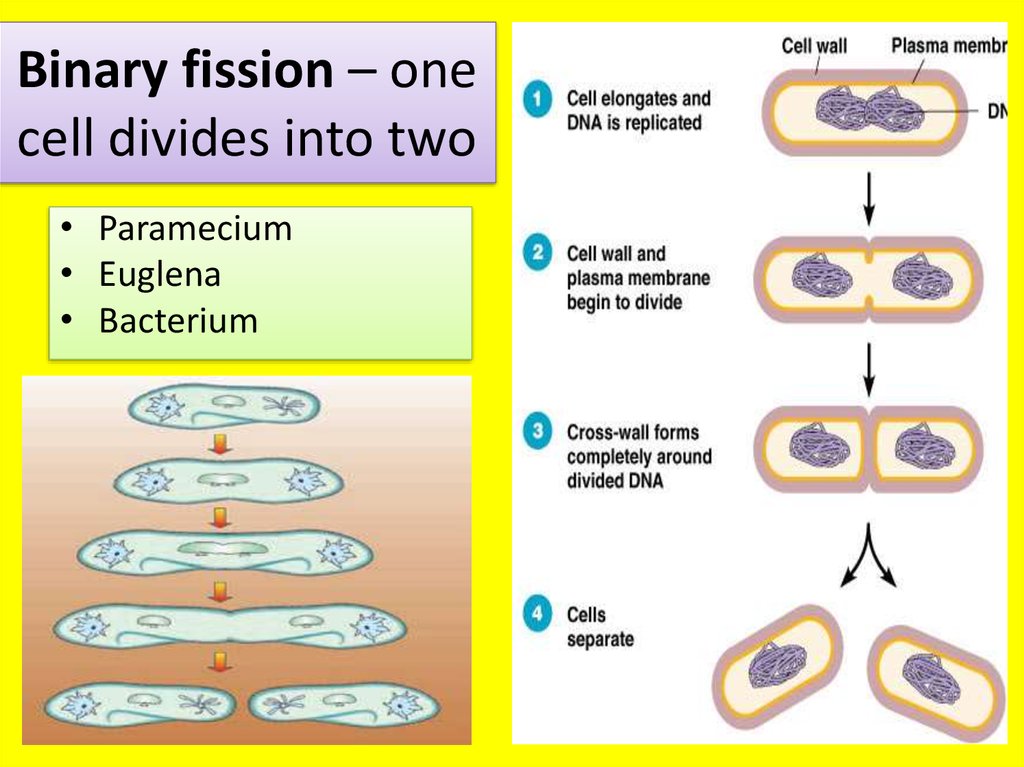
The biggest difference isn’t just the steps—it’s the purpose. Binary fission is about reproducing the whole organism. Mitosis is about repairing and growing a larger organism.
When a bacterium splits, you get two new bacteria. When your skin cell goes through mitosis, you still just have one person. You just have more skin and replaced old cells.
Also, mitosis often comes with a partner: cytokinesis. That’s just the physical split at the end. But the big secret is that mitosis happens inside a nucleus. Binary fission? Bacteria don’t even have a nucleus! They’re free-styling it.

