
Look, I know you’re not always packing a fancy probe thermometer. I’m not either, half the time. So we need a backup plan, because guessing is a recipe for disaster.
Here’s a trick: drop a wooden chopstick or the handle of a wooden spoon into the oil. If tiny bubbles dance around it like it’s throwing a party, you’re in the 350°F range. No bubbles? Patience, grasshopper.
Another test? Toss in a single popcorn kernel. When it pops, the oil is around 350°F. Science is your friend, and popcorn is a delicious science.
The enemy is temperature drop
Here’s the dirty little secret everyone forgets: the moment you drop cold chicken or wet fries into hot oil, the temperature plummets. It’s like throwing an ice cube into a hot bath. Suddenly, you’re frying at 300°F, and soggy town is calling your name.
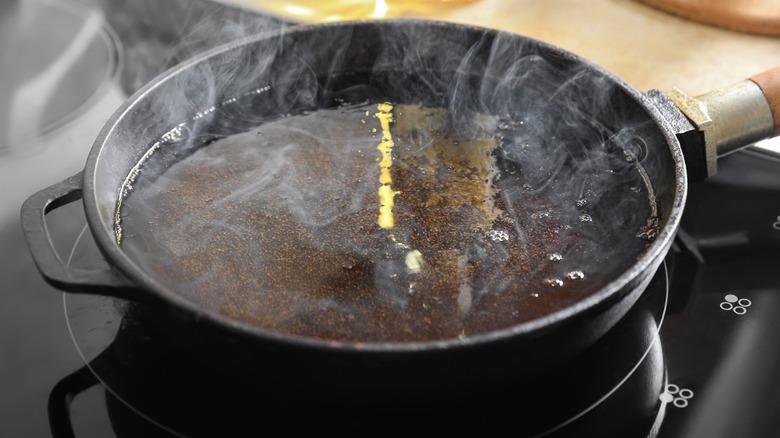 What Happens When Cooking Oil Gets Too Hot?
So, what do you do? Overheat your oil by about 10°F to 15°F. Start at 365°F if you want to land at 350°F after the food adds its chilly attitude. Yes, it feels wasteful. No, it’s not—it’s smart.
Also, don’t crowd the pan. I know you’re hungry, but frying is not a team sport. Too much food drops the temp too fast. Fry in batches, or embrace the grease sponge life. Your choice.

