
Let’s paint a picture. Imagine your mate Dave, the one who squints at the bus timetable. He’s on Universal Credit. For him, an eye test is free, and he gets a voucher to knock a big chunk off his new frames.
Or think of your gran, Gladys. She’s 68 and has glaucoma. She needs those special thinning lenses that cost a fortune. The NHS voucher covers a huge chunk of that cost. It’s not pocket change; it’s often £40 to over £200 off.
You don’t need to be on benefits either. If you’ve got a condition like diabetes or glaucoma, you’re often in the club. Even if you’re a full-time student under 19, you can get a voucher for your reading glasses.
The Little Box You Need to Fill
Here’s the most common hang-up. People think it’s a form-filling nightmare. It’s not. You’ll be handed an HC1 form (the “Claim for Help with Health Costs”). It looks official, but don’t panic.
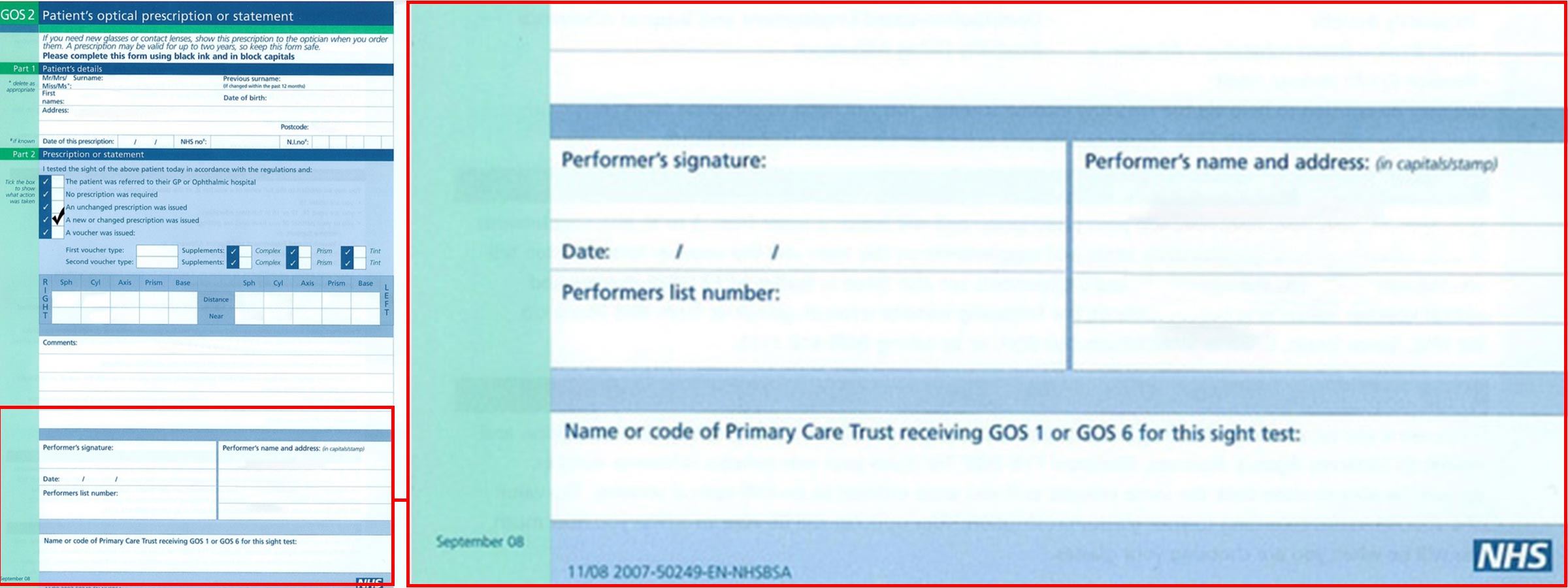 NHS How to guide | Glasses Direct
Think of it like a job application for your eyes. You fill in your income details, your savings, and your outgoings. It’s a bit dull, but it takes about ten minutes. Send it off, and a few weeks later, you get a certificate in the post.
That certificate is your magic key. You take it to any NHS optician. They read it, they nod, and they give you a voucher on the spot. You then choose your glasses like a normal person, but the price drops like a stone.

