
Imagine you're at a restaurant, and you want to order food, but you don't speak the same language as the chef. That's kinda like what happens when different software systems try to communicate with each other - they need a translator to help them understand each other. Google API Keys serve as this translator, allowing developers to talk to Google's services in a language they can understand.
So, when you use an app that has Google Maps integrated, the app uses a Google API Key to ask Google's servers for the map data, and then displays it to you. It's like sending a message to a friend, and they respond with the info you need - it's a conversational process that happens behind the scenes. But, why do developers need these API Keys in the first place?
 Meet kubectl-ai: Google Just Delivered the Best Tool for Kubernetes
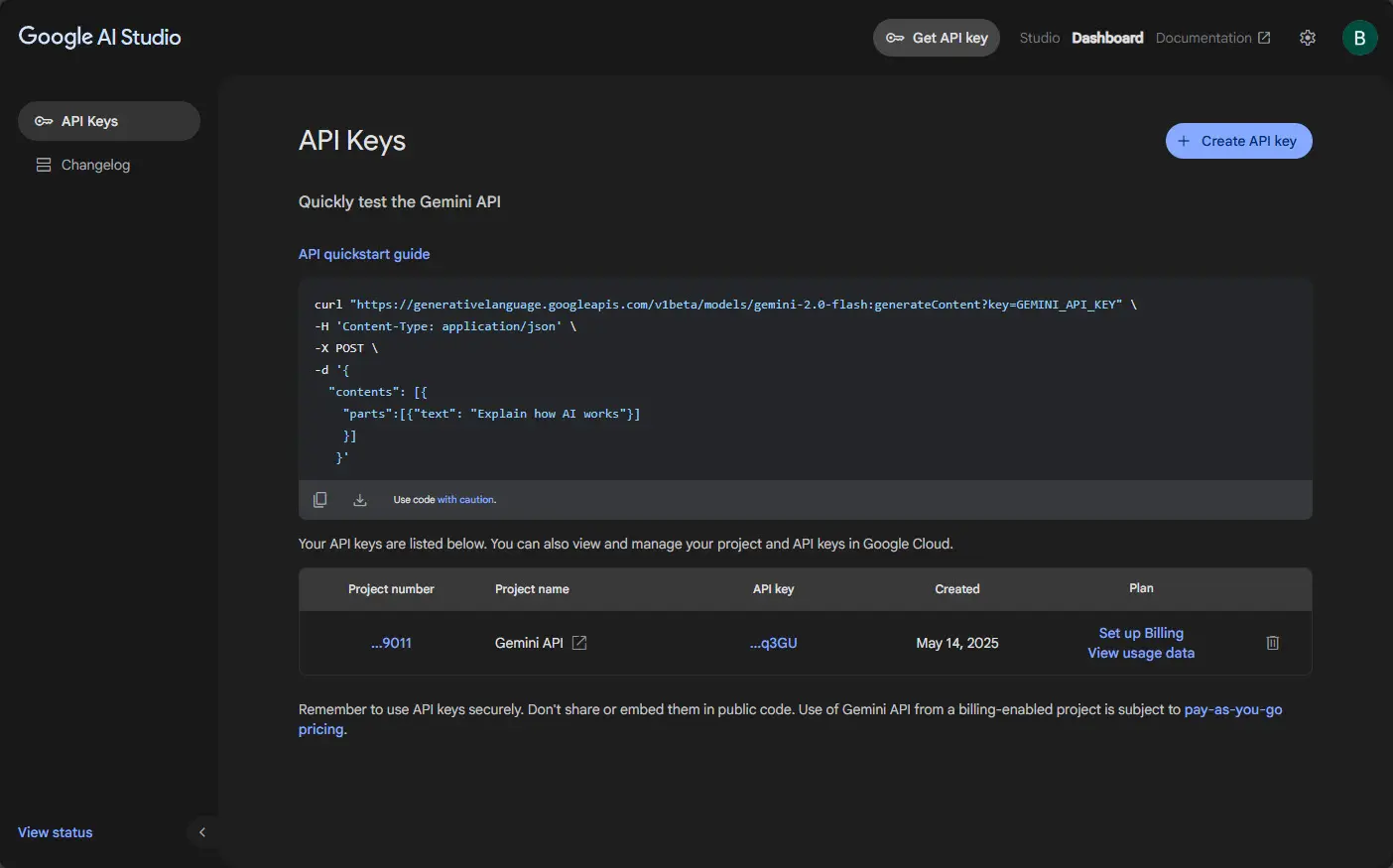
The reason is that Google API Keys help authenticate and authorize the requests made by developers. Think of it like a security badge that proves you're who you say you are, and you're allowed to access certain areas of the Google building. This ensures that only authorized apps and services can access Google's APIs, preventing malicious activities and keeping everything safe and secure.

