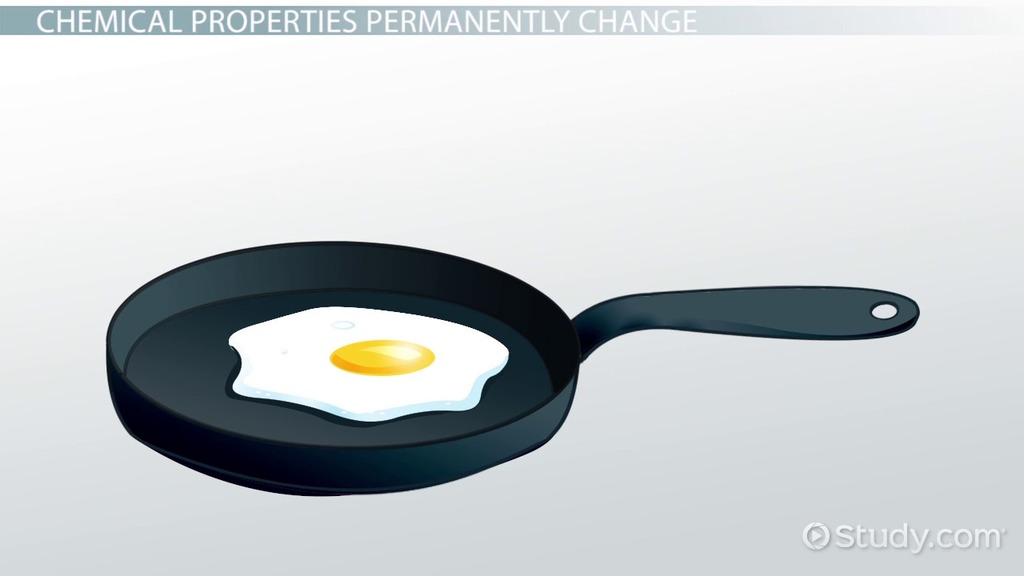
When you fry an egg, the heat does something irreversible. The proteins in the egg white—called albumins—unravel and then re-form into new, tangled networks. This is called denaturation, which is just a fancy way of saying “the egg white gets its act together and never goes back.”
Try this at home: once your egg is fried, try to let it cool down and see if it turns liquid again. I’ll wait… (Spoiler: it won’t. You can’t un-fry an egg. Deep stuff, right?)
The Yolk’s Secret
Meanwhile, the yolk goes through its own drama. Heat breaks down the fats and proteins inside, causing a chemical reaction that turns the yolk from liquid to that creamy, golden goodness. This process also releases sulfur, which is why a hard-boiled egg sometimes smells like farts (you’re welcome for that image).
Here’s the kicker: no amount of cooling will reverse this. You’re looking at a permanent molecular rearrangement. That’s what makes it a chemical change—new substances form, and the original egg is gone forever. RIP, egg.
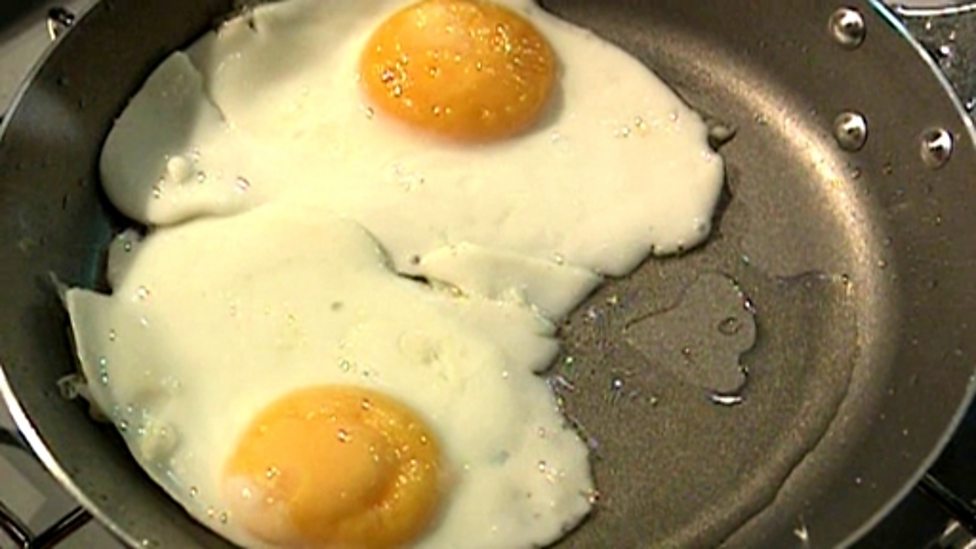 BBC Two - Science Clips, Reversible and Irreversible Change, Chemical

