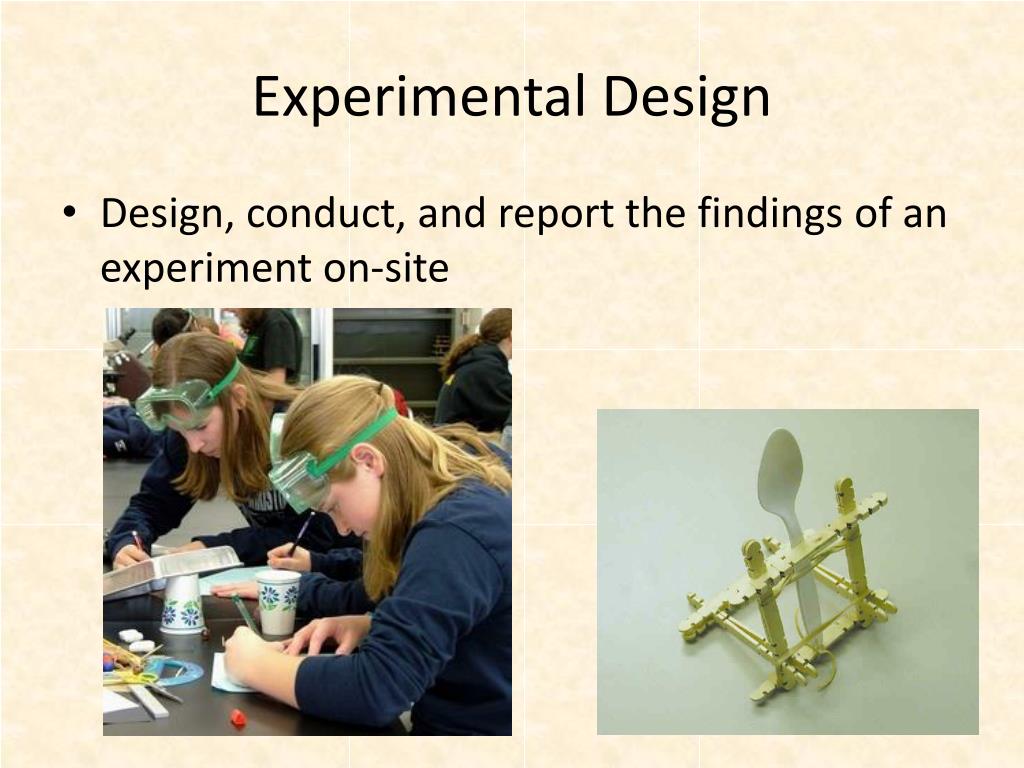
Experimental design is like being a detective, searching for clues to solve a mystery. In this case, the mystery is the relationship between different variables, like the type of fertilizer and the growth of plants. By designing an experiment, scientists can control for other factors that might affect the outcome, like the amount of sunlight or water, and isolate the variable they're interested in.
For example, let's say you want to know whether a new exercise routine is effective for losing weight. You could design an experiment where one group of people follows the new routine, while another group doesn't. By comparing the results, you can determine whether the exercise routine is causing weight loss, or if there's another factor at play.

