
You don’t need to move to a cottage in the Cotswolds and grow your own kale. Start small. Swap your morning breakfast cereal (like Corn Flakes or Frosties, often loaded with maltodextrin) for porridge oats or a simple scrambled egg. That one change can cut out a surprising number of UPFs before 9 a.m.
Look for “short ingredient lists” when you shop. If you see more than five items and half of them are unpronounceable, put it back. The UK’s traffic light system is your friend—aim for green on sugars and saturates, but also check the ingredients for those sneaky additives.
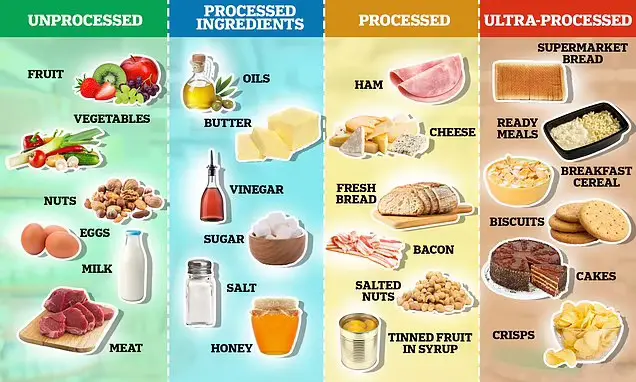 10 Examples of Ultra-Processed Food: Essential Guide to Processed Foods
Batch-cook your favourite pasta sauce or curry once a week. A jar of shop-bought sauce often contains sugar, thickeners, and preservatives. Your version—tomatoes, onions, herbs—is dirt cheap and tastes like a hug. And if you’re grabbing a takeaway, choose an Indian curry from a local restaurant over a ready-meal from the freezer aisle.
The cultural twist: Sunday roasts are UPF-free
One of the most beloved UK institutions—the Sunday roast—is naturally low in UPFs. Roast chicken, potatoes, carrots, and real gravy made from scratch? That’s whole-food heaven. It’s almost funny how this comfort classic doubles as a “anti-UPF” meal.
And here’s a cheeky truth: fish and chips from a good chippy often beats a supermarket frozen version. The real deal uses potato frying and fresh fish, while the frozen alternative often has textured soy proteins and glutamates. Beat that, Friday night tradition.

