
The biggest tragedy? Soap doesn’t work. You lather up your hands, and instead of suds, you get a weird grey slime. That’s the soap reacting with the calcium to form “soap scum,” which is essentially a scientific term for “gross bathtub ring.” You end up using triple the soap just to feel clean, and then you have to rinse for ten minutes.
Ever tried to wash a car in Wisconsin? You’ll spend an hour scrubbing, only for the car to dry with spots that look like a Dalmatian. It’s not dirt; it’s crystallized shame. You’ll see people at the DIY car wash spending $20 just to get the “water spots” off. It’s a racket, I tell you.
The Hidden Upside (Yes, Really)
But hold on. Before you buy a water softener the size of a refrigerator, let’s talk about the good stuff. That “rock water” is packed with calcium and magnesium, which are actually good for your bones. You know those expensive mineral waters from Europe? We drink that from the tap, baby. It’s just… extra crispy.
Farmers love it for their livestock. Breweries? They have a whole love-hate relationship with it. Some Wisconsin brewers actually brag about their hard water, saying it gives their beer a “bold, assertive character.” Others spend a fortune filtering it out. It’s a genuine drama in the beer world. It’s the Frankenstein’s monster of brewing ingredients.
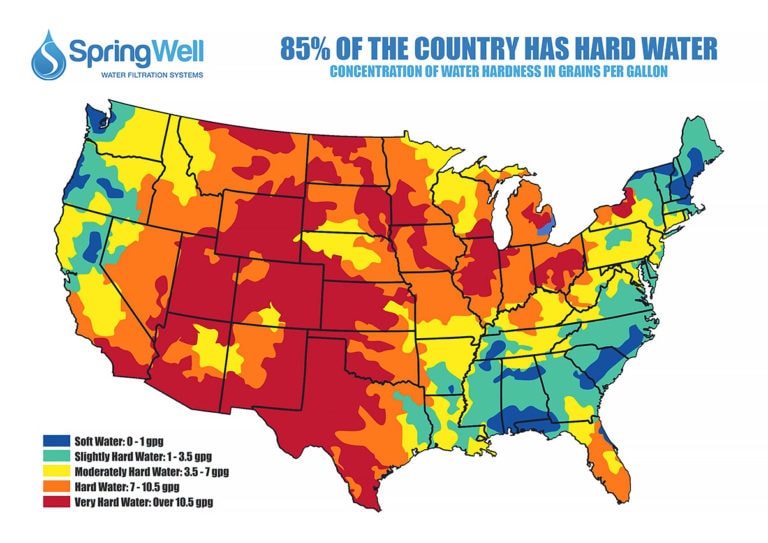 How To Remove “Hardness” from Your Water with a Home Water Softener
Also, let’s be real: hard water tastes like something. It has personality. When you visit a state with soft water, the water tastes like a ghost. Flat. Sad. You take a sip and feel nothing. It’s like shaking hands with a fish. In Wisconsin, the water shakes your hand back.

