If you think Spam is just a greasy American relic, consider its status in Hawaii, where locals consume more of it per capita than anywhere else in the U.S. It’s a staple of Spam musubi, a sushi-like snack that combines rice, seaweed, and a slice of fried Spam. In South Korea, Spam is a luxury gift item, often presented in fancy gift sets during holidays like Chuseok.
The name’s ambiguity is part of its appeal. Because nobody’s really sure what it stands for (beyond “spiced ham”), everyone feels free to project their own meaning onto it. For some, it’s comfort food. For others, it’s a symbol of wartime thrift or post-war American influence. The brand has even leaned into this, running ad campaigns that playfully ask, “What’s in a name?”
And yes, there’s a whole subculture of Spam lovers who collect vintage cans and recipe books. The official Spam museum in Austin, Minnesota, even sells Spam-flavored ice cream. If that doesn’t scream “cult following,” nothing does.
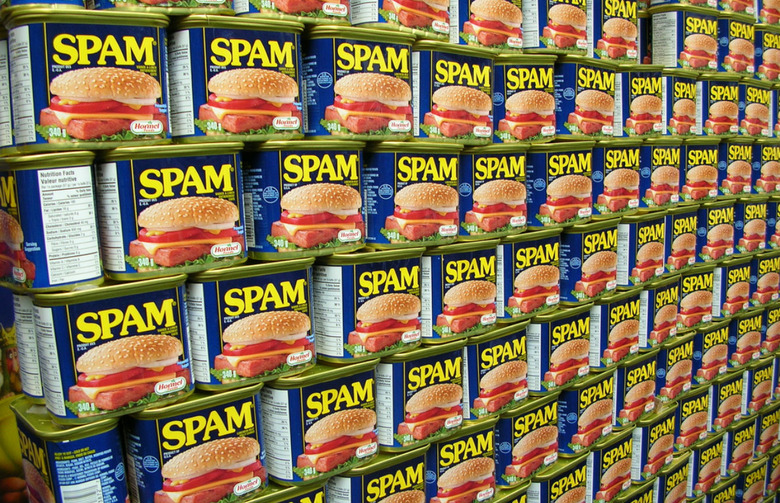 11 Things You Didn't Know About SPAM (Slideshow)
Practical Tips: How to Handle Spam (and Its Name)
If you want to impress friends at a dinner party, drop this fact: the invention of Spam was a direct response to the Great Depression. Butchers needed to use up pork shoulder, which was considered a waste cut. Hormel created a product that kept forever without refrigeration, feeding families and soldiers alike.
Next time you see a can, don’t just think of it as mystery meat. Think of it as a culinary survivor. Try slicing it thin, pan-frying it until crispy, and layering it on a sandwich with pickles and mustard. Or channel your inner Hawaiian and make a quick musubi: press warm rice into a block, top with a slice of fried Spam, and wrap with a strip of nori seaweed. It’s a five-minute snack that tastes like a vacation.
Want a party trick? Ask your friends what they think Spam stands for. You’ll get everything from “Some Pork And Mystery” to “Stuff People Actually Munch.” It’s a conversation starter that never gets old, especially when you pull out the real story. And if someone insists it’s an acronym for government rations, just smile and serve them a slice.
One fun fact to keep in your back pocket: Spam was served to troops during World War II in such massive quantities that soldiers in the Pacific theater eventually grew sick of it. Meanwhile, civilians in Europe and Asia saw it as a treasure. That duality — despised by the giver, adored by the receiver — is baked into its very name.
The Internet Hijack: When Spam Became a Verb
We can’t talk about the name without acknowledging the digital elephant in the room. In the 1990s, internet users began calling unsolicited bulk messages “spam” after the Monty Python sketch. The term spread faster than a virus — in 1998, the Oxford English Dictionary officially recognized it. Hormel initially fought the association but eventually surrendered, even sponsoring a “Spam Award” for annoyingly persistent emails.
 What Is Spam — How To Use Spam
Today, spamming is a verb we all use without a second thought. But next time you delete a string of promotional garbage, remember: you’re participating in a joke that’s nearly 50 years old. The real Spam — the pink, salty block — remains a completely separate entity, quiet and unbothered in its can.
Even the label on the can embraces the confusion. The word “Spam” is written in bold, cheerful letters, with no explanation. It’s as if the product knows it’s a riddle, and it’s daring you to open it. And so we do, generation after generation, drawn by the mystery as much as the taste.