
Believe it or not, there was actually a real study on this in 2005. The British Cheese Board—yes, that’s a real organization—decided to test the theory. They fed participants 20 grams of cheese about 30 minutes before sleep.
Here’s the kicker: none of the participants reported nightmares. Instead, they reported weirdly vivid, often pleasant dreams. Stilton cheese, in particular, was linked to dreams about talking animals and childhood friends.
So, the myth that cheese gives you nightmares might be bunk. But the idea that it gives you weird dreams? That actually has some science behind it.
Why Cheese Might Mess With Your Sleep (and Dreams)
Cheese is packed with an amino acid called tryptophan. Your brain uses tryptophan to make serotonin, which then becomes melatonin—the hormone that regulates your sleep cycle. So, cheese can actually help you fall asleep faster. That’s the good news.
But here’s the twist: cheese also contains tyramine, a compound that can rev up your brain. Tyramine triggers the release of norepinephrine, which is basically your brain’s adrenaline system. If you eat a lot of cheese close to bedtime, you might get a weird cocktail of "sleepy" and "alert" chemicals.
This cocktail can lead to more fragmented sleep. You wake up more often, even if you don’t remember it. And because you’re waking up between REM cycles, you’re more likely to recall the bizarre narrative your brain just cooked up.
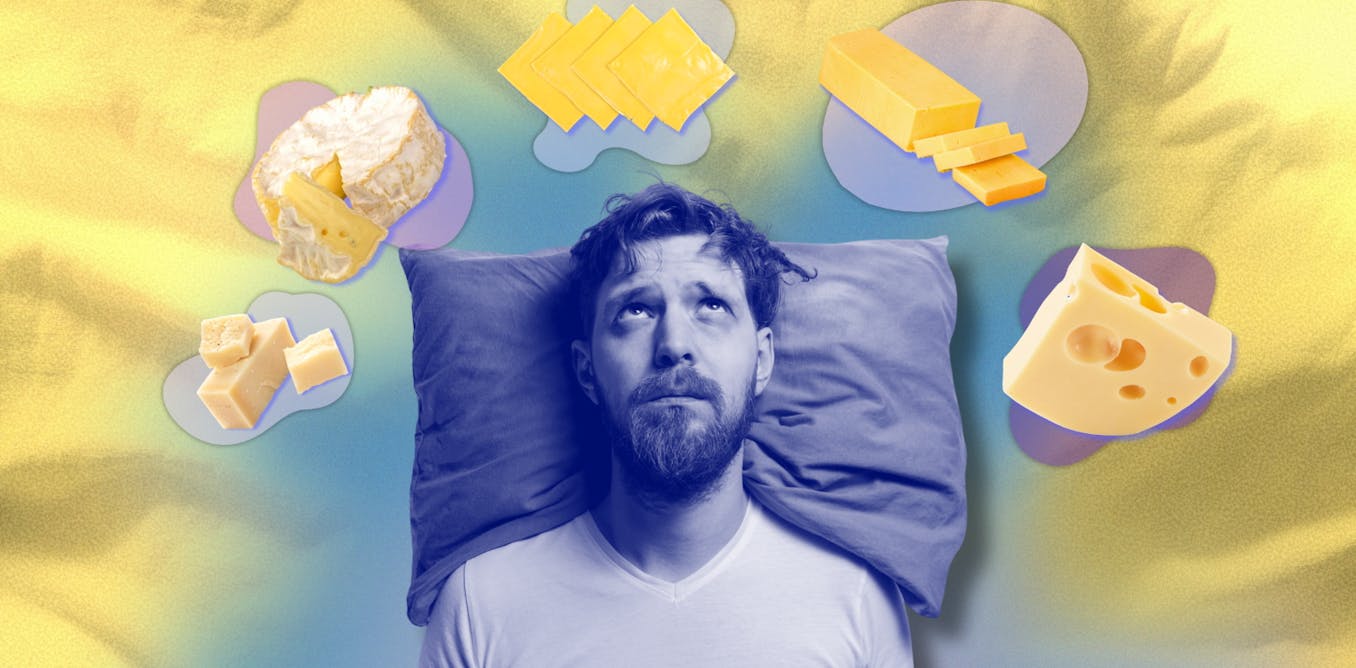 Does eating cheese before bed really give you nightmares? Here’s what
Think of it like this: cheese doesn’t cause the weird dreams. It just helps you remember them. And let’s be honest, your brain is already a strange place after midnight.

