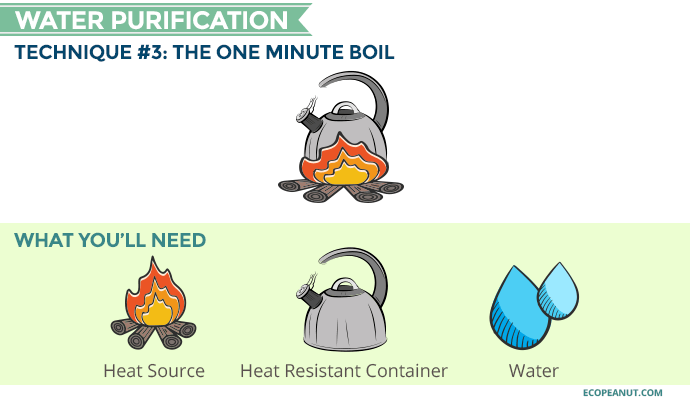
Fill a pot with tap water. Boil it. Now let it cool. Taste it side-by-side with fresh tap water. You’ll notice a difference. It’s like the water lost its personality. You’re tasting physics.
Try boiling water with a pinch of salt. It raises the boiling point slightly. That’s why pasta cooks faster in salted water. It’s also why you can’t rush a good soup. Science is delicious.
Watch the bubbles. Small ones rise from the bottom first. Those are dissolved gases escaping. Big, rolling bubbles are water turning to steam. Congratulations—you’re now a water-watcher.
The Bottom Line
Boiling works for germs. It’s a lazy genius solution that humans have used for thousands of years. No fancy filters, no electricity—just fire and patience.
But it’s not a miracle worker. Chemicals, metals, and plastics laugh at your boiling pot. For those, you need a coffee filter, a charcoal filter, or a wizard. Boiling is step one, not the whole dance.
So, next time you boil water for tea, give a little nod to the microbes you just vaporized. You’re a pathogen-slayer, a taste-tweaker, and a home scientist. Drink up, you magnificent boiling beast.

