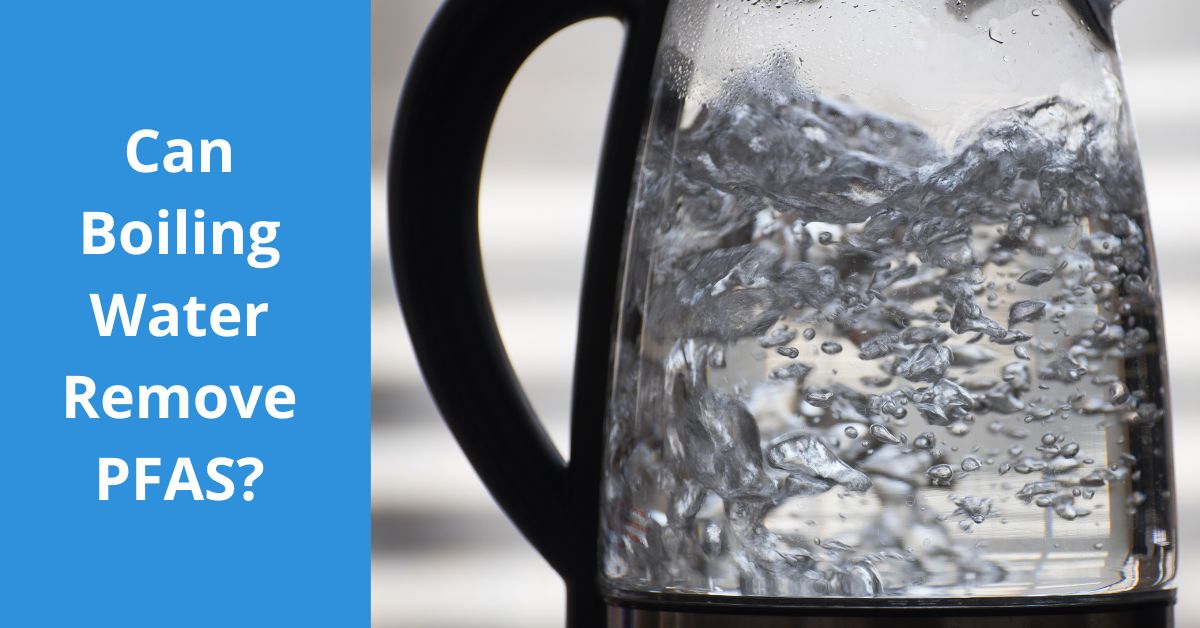
PFAS aren’t like dirt or germs—they’re molecularly engineered to resist heat, water, and pretty much everything else. Think of them as the ninjas of the chemical world: silent, invisible, and impossible to catch with a pot and a flame. You’d have more luck trying to blow out a lightbulb. Studies show that even at boiling point, these chemicals remain stubbornly intact, floating around like that one friend who never leaves a party.
I once boiled a pan of water for twenty minutes, convinced I was purifying my soul and my faucet. When I tested the water (with a fancy, overpriced kit I bought online), the PFAS levels were exactly the same. My dog gave me a look that said, “You paid $40 for a science lesson on how dumb you are.” She was right.
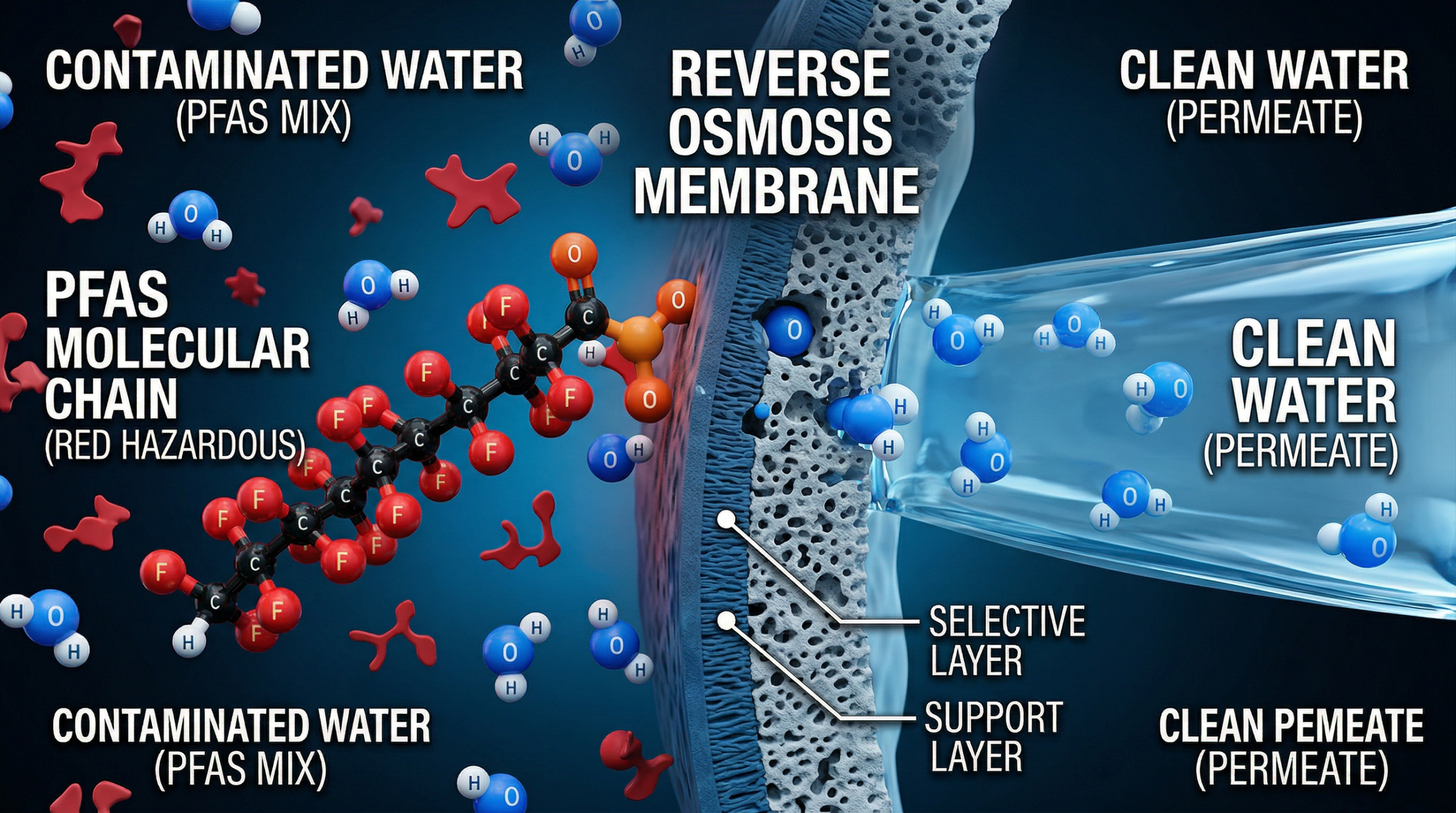 Does Reverse Osmosis Remove PFAS? Removal Rates, EPA Limits, And System
What Actually Works? (Spoiler: It’s Not Your Kettle)
So if boiling water is a washout, what’s a thirsty, panicked human to do? You’ve got three real options: carbon filters (like a Brita, but fancier), reverse osmosis systems that sound like something from a spaceship, or activated charcoal filters that trap PFAS like a net catches fish. These are the heavy lifters in the “bye-bye forever chemicals” department. A good under-sink filter can remove up to 90% of PFAS—which is about 90% more than your stove can manage.
I bought a reverse osmosis system last year, and it was like upgrading from a mop to a robot vacuum. Now my water tastes so clean, it’s almost smug. But let’s be real: these setups aren’t cheap, and they require more maintenance than a potted fern. Still, if you’re looking at your tap like it’s a traitor, this is your answer—not a rolling boil.