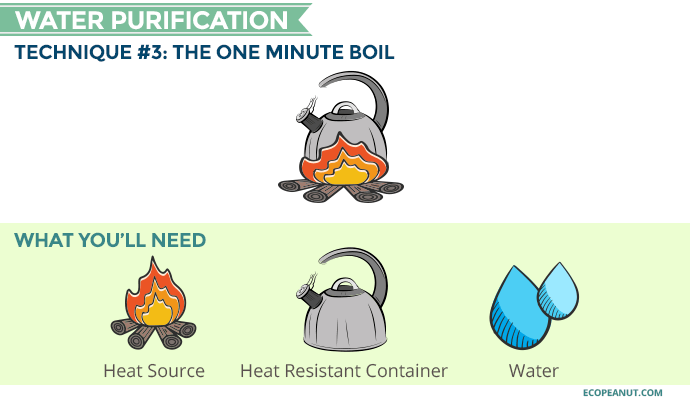
Here’s the kicker: boiling does NOT remove chemicals, heavy metals, or dissolved solids like lead, arsenic, or chlorine. If your tap water is carrying a load of toxic souvenirs from old pipes, boiling actually concentrates them. As the water vapor escapes, those nasties stick around like a bad house guest who won’t leave after the party.
So if you’re boiling water to remove lead, you’re basically making extra-lead stew—the opposite of purification. And don’t even get me started on microplastics. Boiling might make them more soluble, turning your tea into a cocktail of invisible polymer bits. Yum.
What About Your Kettle’s “White Flakes”?
Ever seen those chalky white flakes floating in your boiled water? That’s calcium carbonate—a mineral deposit from hard water. It’s harmless, but it’s proof that boiling doesn’t remove everything. In fact, it turns dissolved minerals into solid bits that look like snow in your coffee. Great for a winter wonderland, bad for your espresso machine.
In some places, tap water already has chlorine added to kill germs. Boiling can actually vaporize that chlorine, which is a bonus—your water will taste less like a swimming pool. But again, no magic spell for heavy metals or pesticides. You’re just removing the flavor of a pool while keeping the flavor of a landfill.
 Does Boiling Tap Water Purify It? What Boiling Really Removes—and What