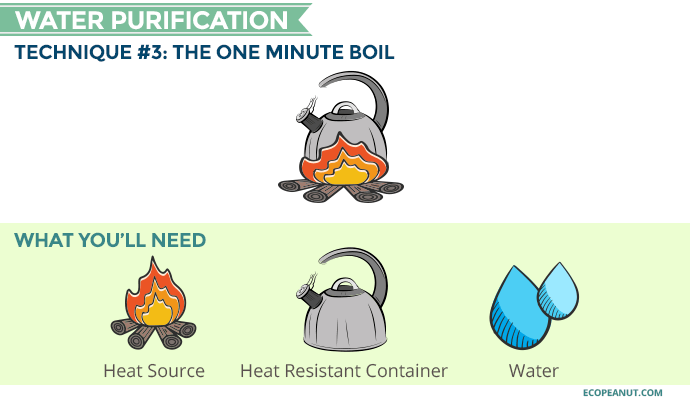
Ever notice how cities issue boil water advisories after a pipe burst? That’s because boiling is the fastest, cheapest way to kill bacterial invaders like E. coli and Giardia. It’s a temporary fix, not a permanent purification system.
Here’s the neat trick: once your water hits a rolling boil, let it go for just one minute (or three minutes if you’re at high altitude). That’s it. Any longer, and you’re just wasting energy and letting water evap away. It’s like over-toasting a marshmallow—pointless and a little sad.
So, When Is Boiling Actually Enough?
If your sink water is from a treated municipal source and you just want to nuke any odd bacteria from a dirty tap, boiling is totally fine. Camping, emergency tap issues, or after a storm? Perfect. But if your water is brown, smells weird, or you live near a farm with pesticide runoff, boiling won’t save you.
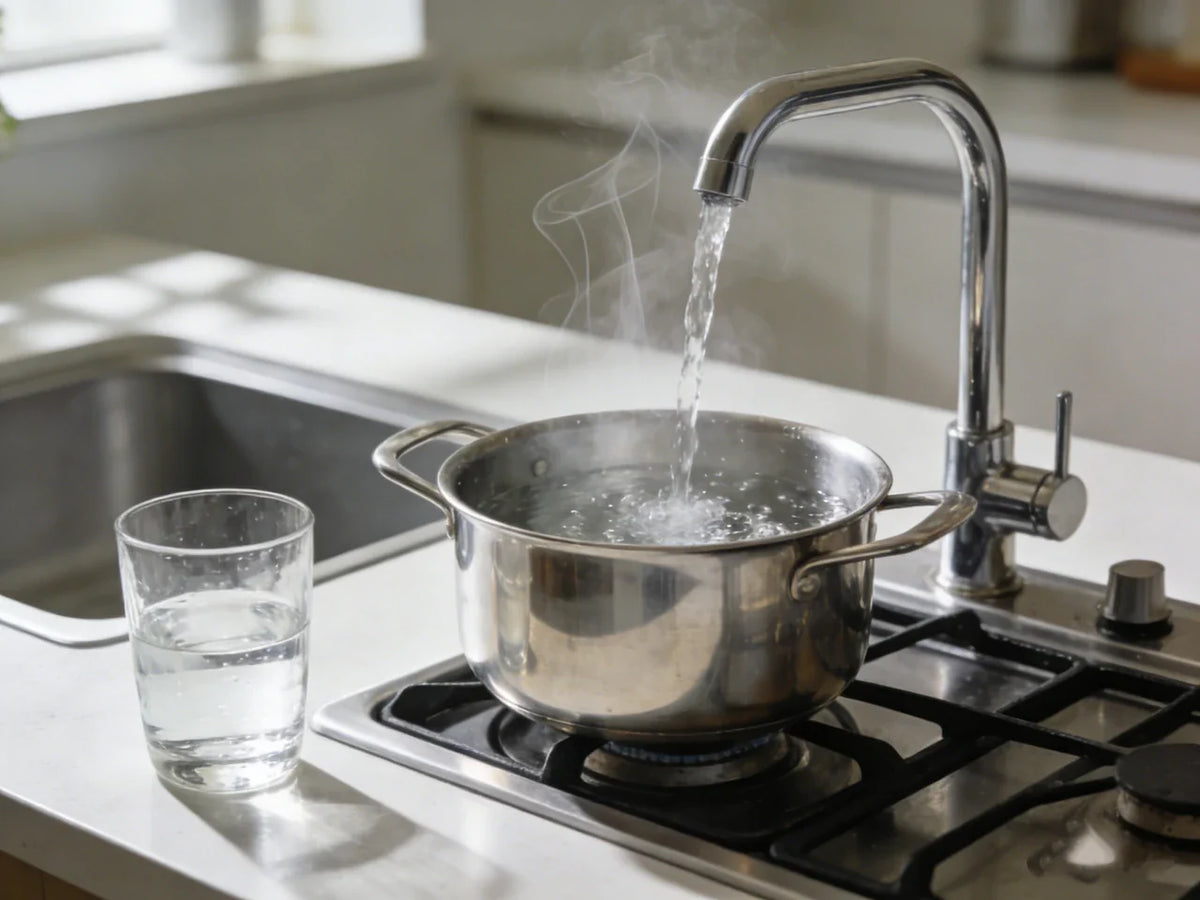 Does Boiling Tap Water Purify It? What Boiling Really Removes—and What
That’s when you need a filter—like a charcoal or reverse osmosis system—or a distiller. Think of boiling as the first line of defense, not the whole army. It’s like putting on a rain jacket but leaving your pants behind. Helpful, but incomplete.

