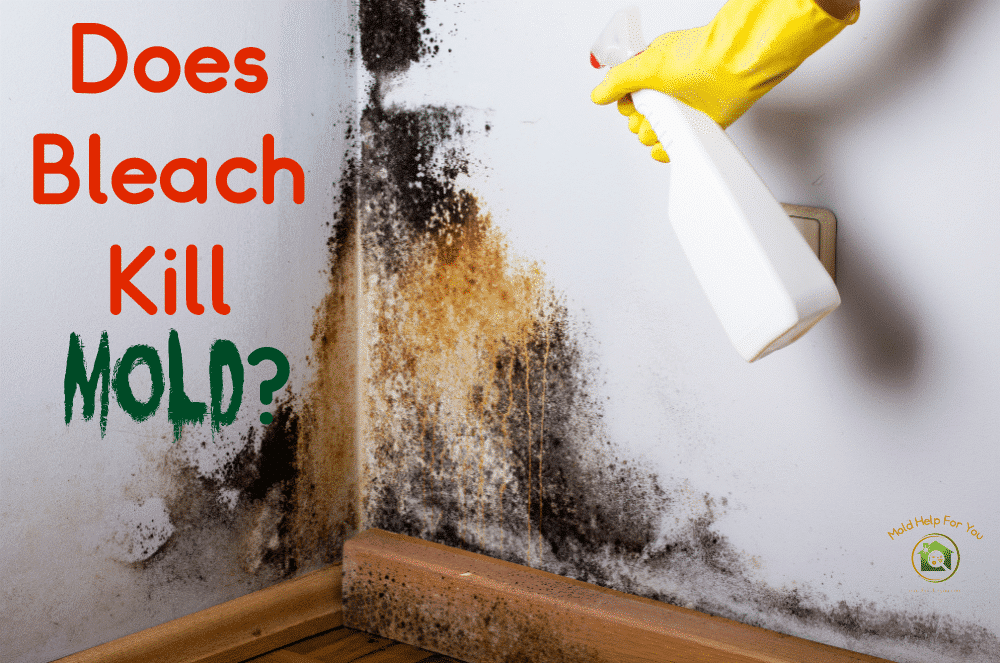
Here’s the kicker: bleach does not kill mould on porous surfaces. I know, I know. It sounds like heresy. But science is a brutal friend.
Think of mould as a stubborn weed. You see the leaves (the black spots). But the roots (the hyphae) are hiding deep inside your drywall or wood. Bleach is mostly water.
So what happens? The water soaks into the porous surface, feeding the roots. The bleach bleaches the surface – it turns it white. For about two days, you look like a cleaning genius.
Then the roots laugh. They throw a party. And the mould comes back, stronger and sassier than before. Fun fact: Bleach can actually make some mould species toxic. It can trigger the mould to release mycotoxins as a defense mechanism.
When Bleach Does Win (Sort Of)
Okay, don’t throw your bleach away just yet. It has one tiny, specific superpower. Bleach works like a dream on non-porous surfaces.
Think glass, tile, or your shiny metal faucet. Mould on a shower curtain? Yes, bleach can handle that. It sits on top, doesn’t absorb, and zaps the little spores into oblivion. But your grout? Your ceiling? Your wooden window sill?
That’s a hard no. You’re just watering the enemy. It’s like fighting a vampire with a water pistol. You miss the heart entirely.

