If you hold a passport from one of 40 countries (like the UK, Japan, Australia, or most of Europe), you’re in luck. You don’t need a traditional visa for short visits. Instead, you get to use something called the Visa Waiver Program (ESTA).
Think of ESTA like a backstage pass. You apply online, pay a small fee, and if approved, you’re good for two years. It’s not a visa—it’s a permission slip that says, “Yes, you can come hang out for up to 90 days.”
But here’s a real-life example: My friend Sarah from London once forgot to renew her ESTA before a trip. She was at the gate, ready to fly to Miami for a bachelorette party, and boom—denied boarding. She ended up watching the party on Instagram Live from her couch. Don’t be Sarah. Check your ESTA at least a week before you fly.
When You Absolutely Need a Visa
If your country isn’t on that golden list, you must get a visa. This applies to travelers from places like India, China, Brazil, Nigeria, and many more. There’s no way around it—you can’t just show up at the airport with a suitcase and a dream.
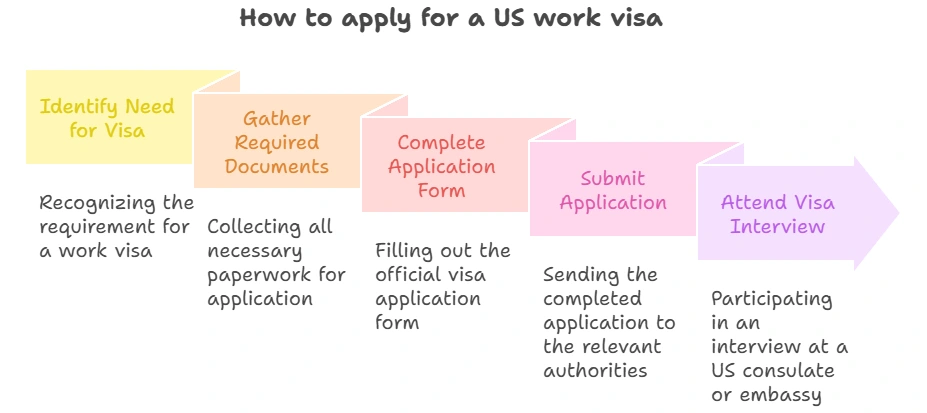
The most common one is the B-1/B-2 visitor visa. It’s for tourism, visiting family, or short business trips. Getting one involves an application, an interview at the U.S. embassy, and a lot of waiting. It feels a bit like applying for a really expensive library card—except the library has cheeseburgers and theme parks.
I once had a neighbor, Carlos from Mexico, who needed a visa to visit his sister in Texas. He prepped for the interview like it was a job interview—even practiced his answers in the mirror. The interviewer asked him, “Why do you want to go to the U.S.?” Carlos said, “To eat a real New York bagel and see my nephew.” He got approved. The key is to show you have strong ties to your home country (job, family, property) so they know you’ll come back.
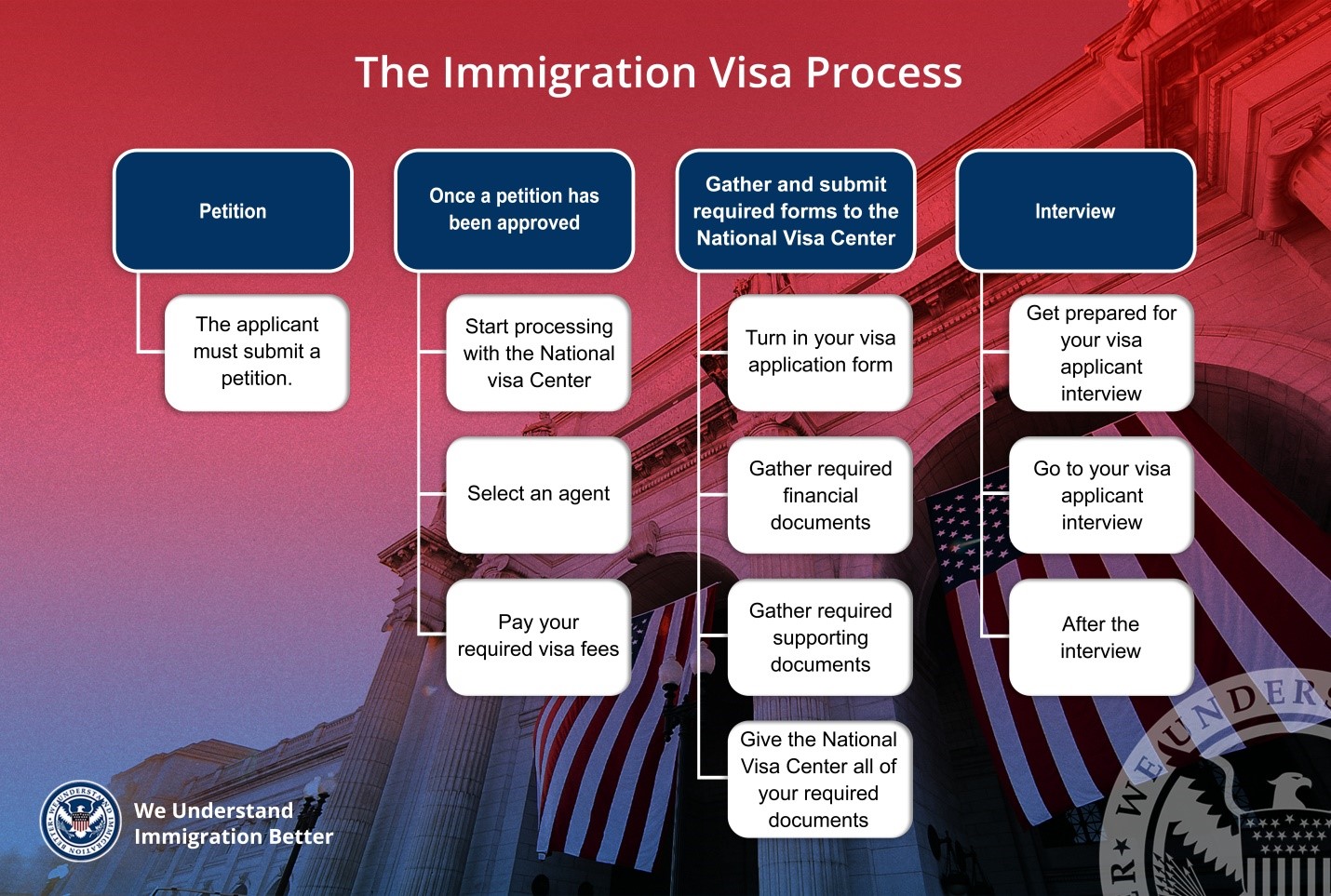 Immigration Visa