:max_bytes(150000):strip_icc()/AR-149310-Self-rising-flour-ddmfs-4x3-d4794aeed75c46e2a0344cf0ac9d9d64.jpg)
The golden rule is 1 cup of all-purpose flour plus 1½ teaspoons of baking powder and ¼ teaspoon of fine salt. That’s it. No fancy equipment, no PhD in pastry science—just a bowl and a whisk.
Pro tip: Whisk like you mean it. Baking powder can clump, and tiny lumps mean uneven rising. I like to sift the mixture into a jar for extra insurance—it feels therapeutic, like a tiny kitchen ritual.
Fun fact: Self-rising flour was supposedly a 19th-century British invention for soldiers. They needed bread on the battlefield, and pre-mixed flour meant fewer steps. Thank you, military logistics, for my fluffy scones.
When to Use It (and When to Pass)
This blend is perfect for biscuits, pancakes, quick breads, and Southern-style cobblers. The baking powder does the heavy lifting, so you get a tender crumb without kneading or yeast.
But here’s the catch: skip it for yeast breads or delicate cakes that need precise acid-base balance. Yeast wants fresh flour, not a pre-loaded chemical party. Save the DIY mix for weekend brunch, not a wedding cake.
Cultural nod: In the American South, self-rising flour is almost a birthright—used for drop biscuits that are crunchy on top and pillowy inside. It’s comfort food that tastes like your grandmother’s kitchen, even if she never shared the recipe.
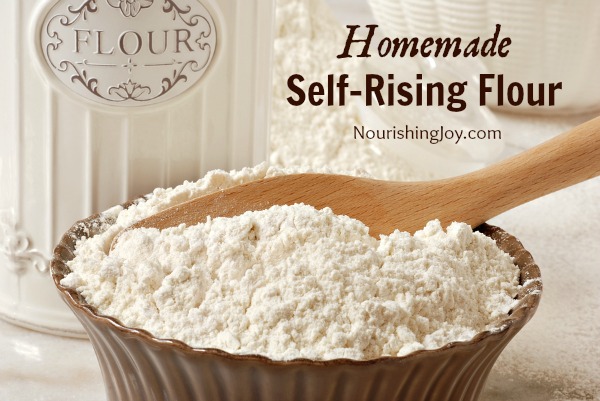 Homemade Self-Rising Flour